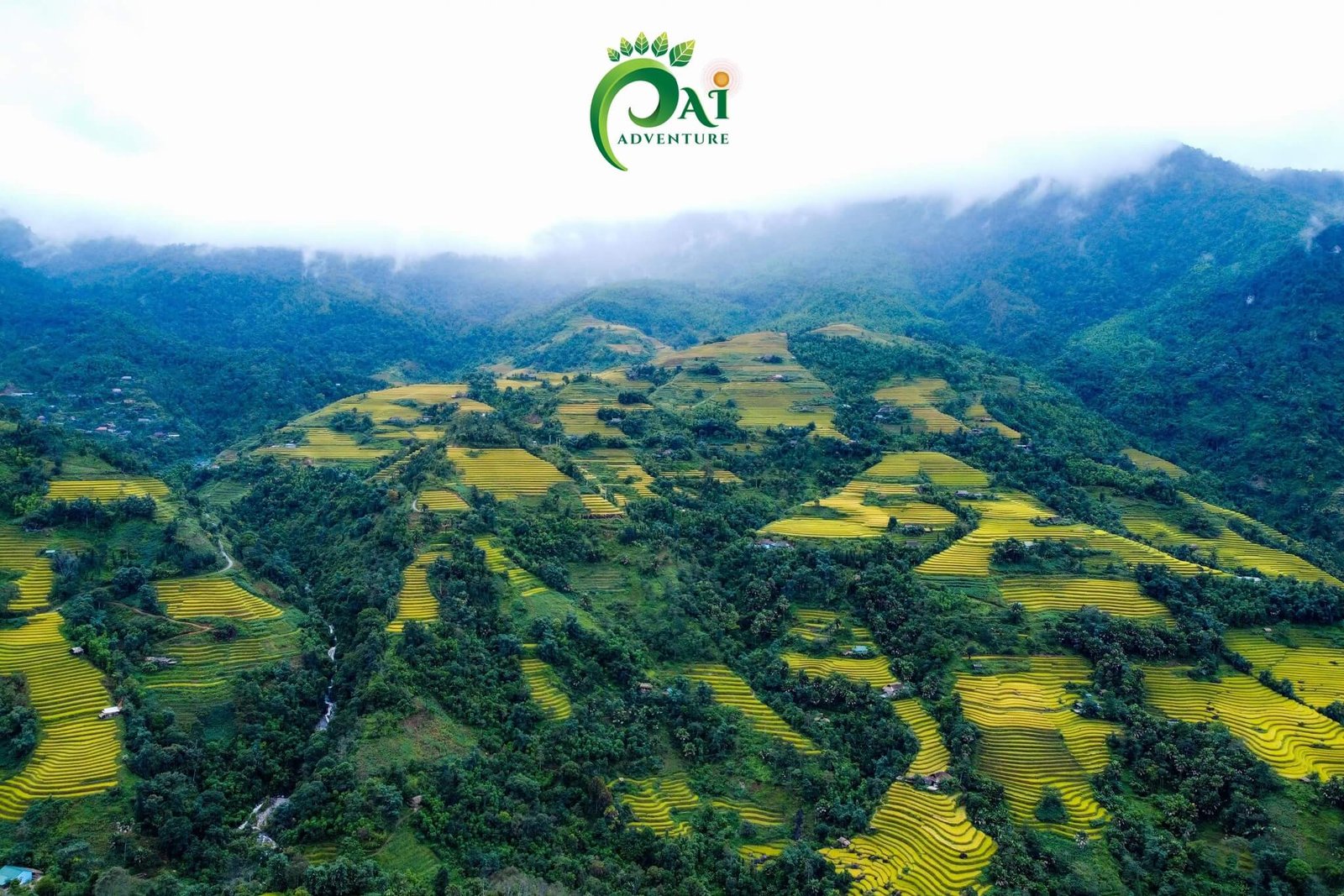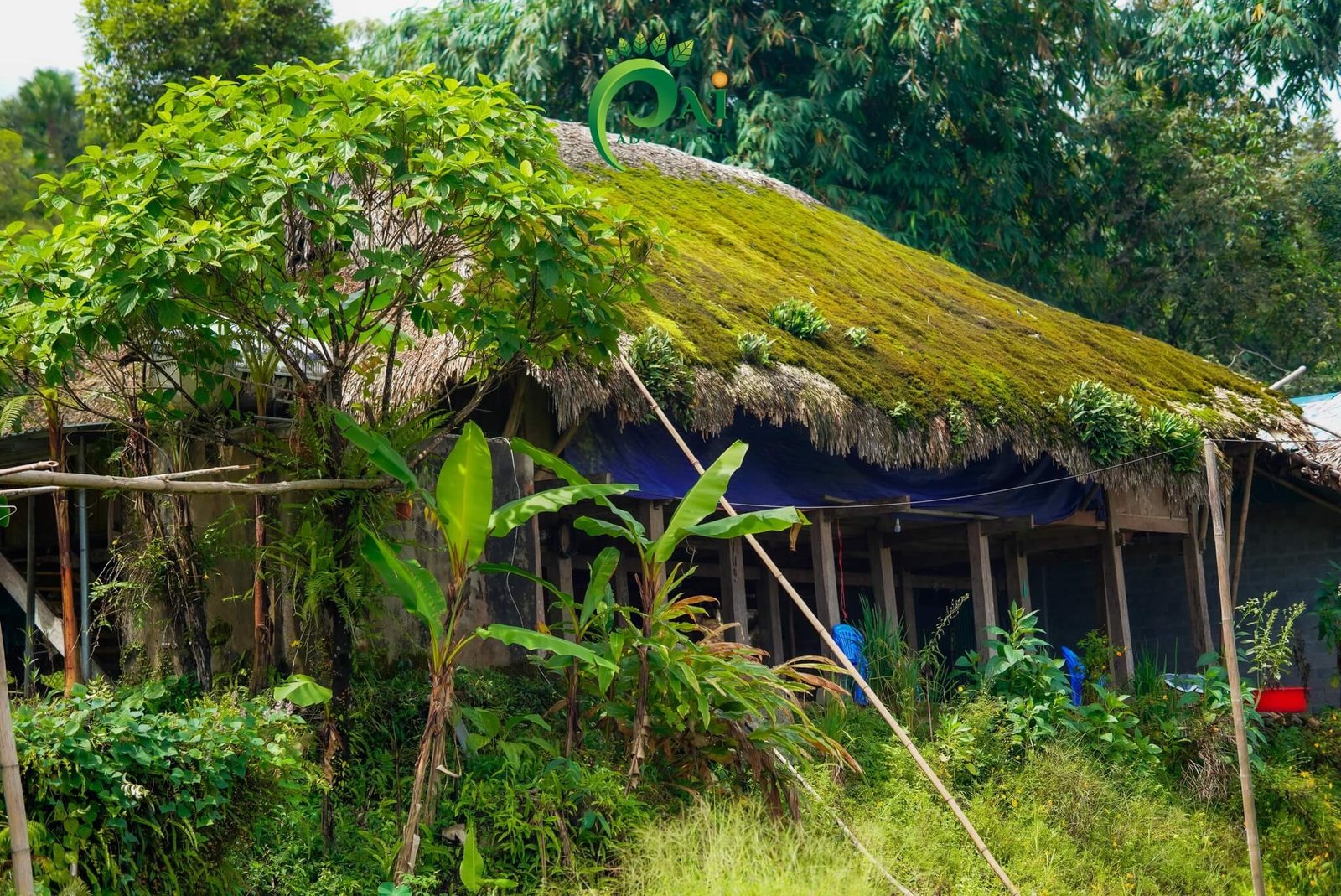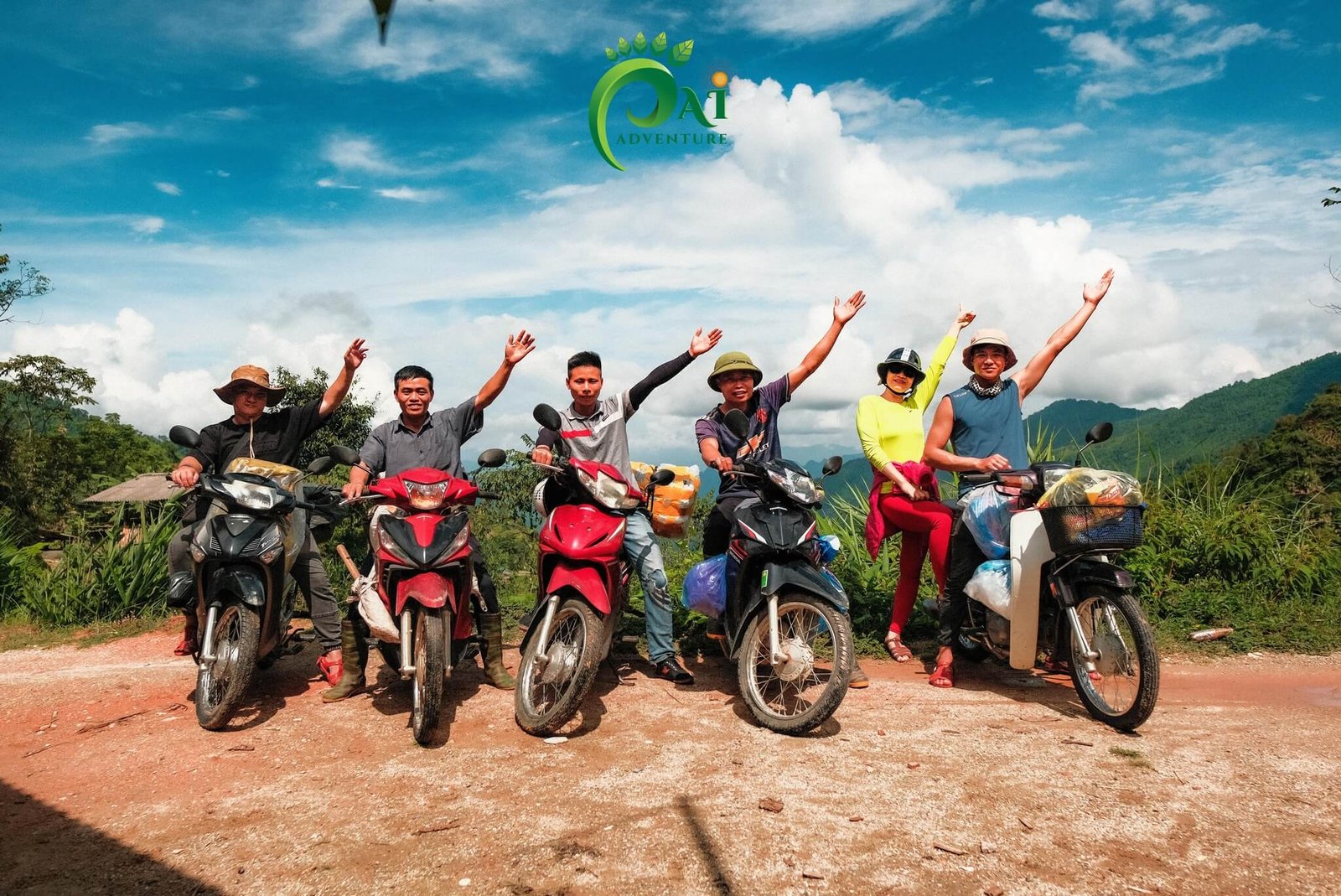

You can travel to Ha Giang safely during the rainy season, and the journey can be exceptionally beautiful. However, the answer is never a simple “yes” or “no.” Safety depends on rainfall intensity, road conditions, your vehicle, the rider’s experience, and—most importantly—your willingness to change plans at the right time.
The rainy season brings greener mountains, drifting clouds, and landscapes refreshed by summer showers. In return, mountain passes can become slippery, visibility may drop quickly, and local weather can change from one valley to the next. A safe trip therefore needs a flexible itinerary, backup options, and a clear rule: safety always comes before the next photo stop.
When is the rainy season in Ha Giang?
Ha Giang generally receives more rain from May to September. June, July, and August often bring a mixture of short showers, heavier downpours, and clear intervals. Mountain weather is highly local, though: Ha Giang City may be dry while a section of road in Quan Ba, Yen Minh, Dong Van, or Meo Vac is already under rain or low cloud.
Do not rely on a single weather icon for the entire province. Check the forecast for each place on your route before departure and again at every major stop. Pay particular attention to warnings for heavy rain, thunderstorms, landslides, flash floods, and road restrictions issued by local authorities.
Why visit Ha Giang in the rainy season?
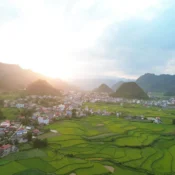
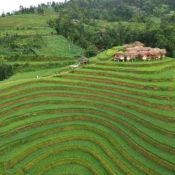
Autumn is known for golden fields and buckwheat flowers, but the rainy season has its own character:
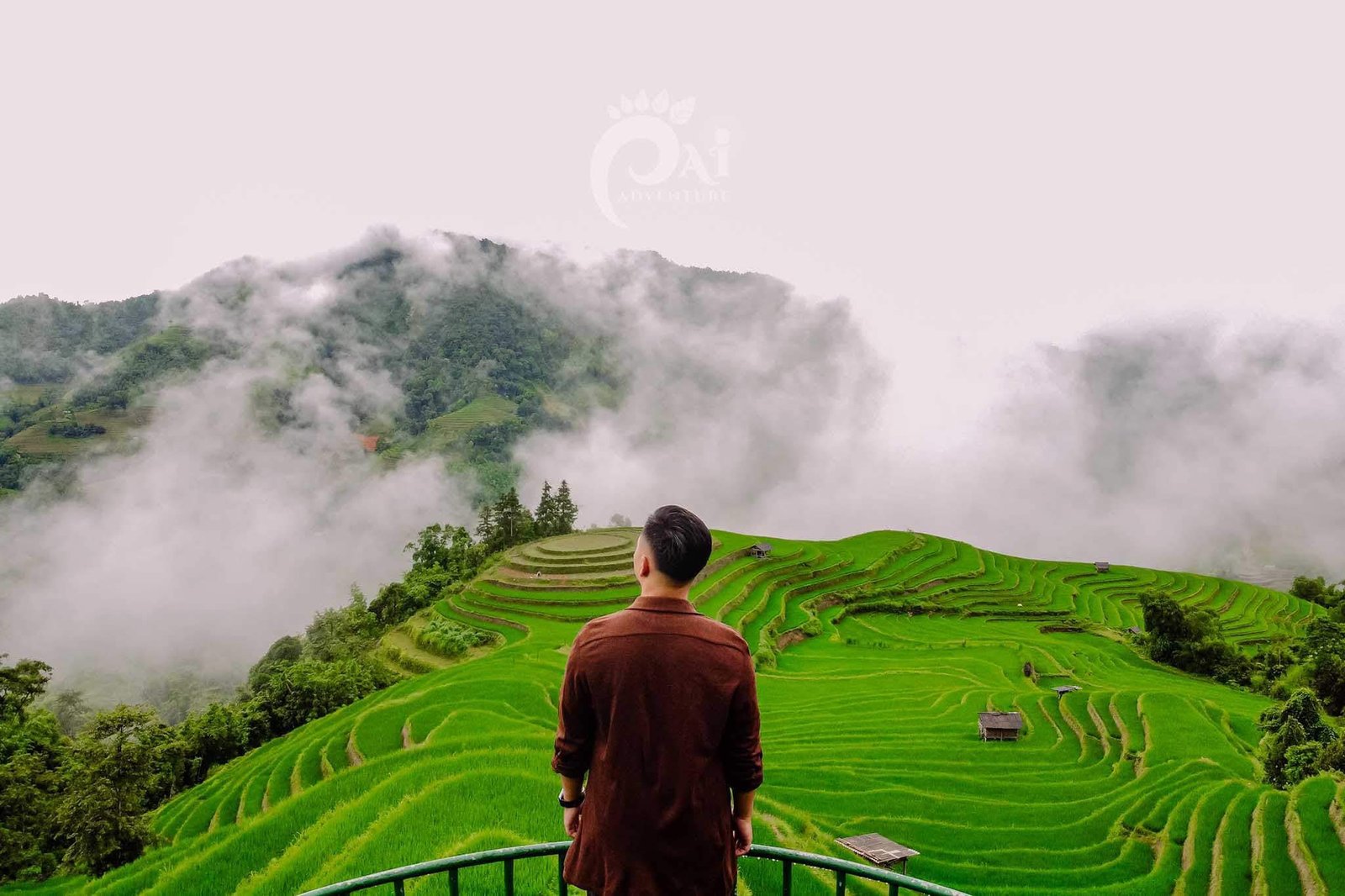
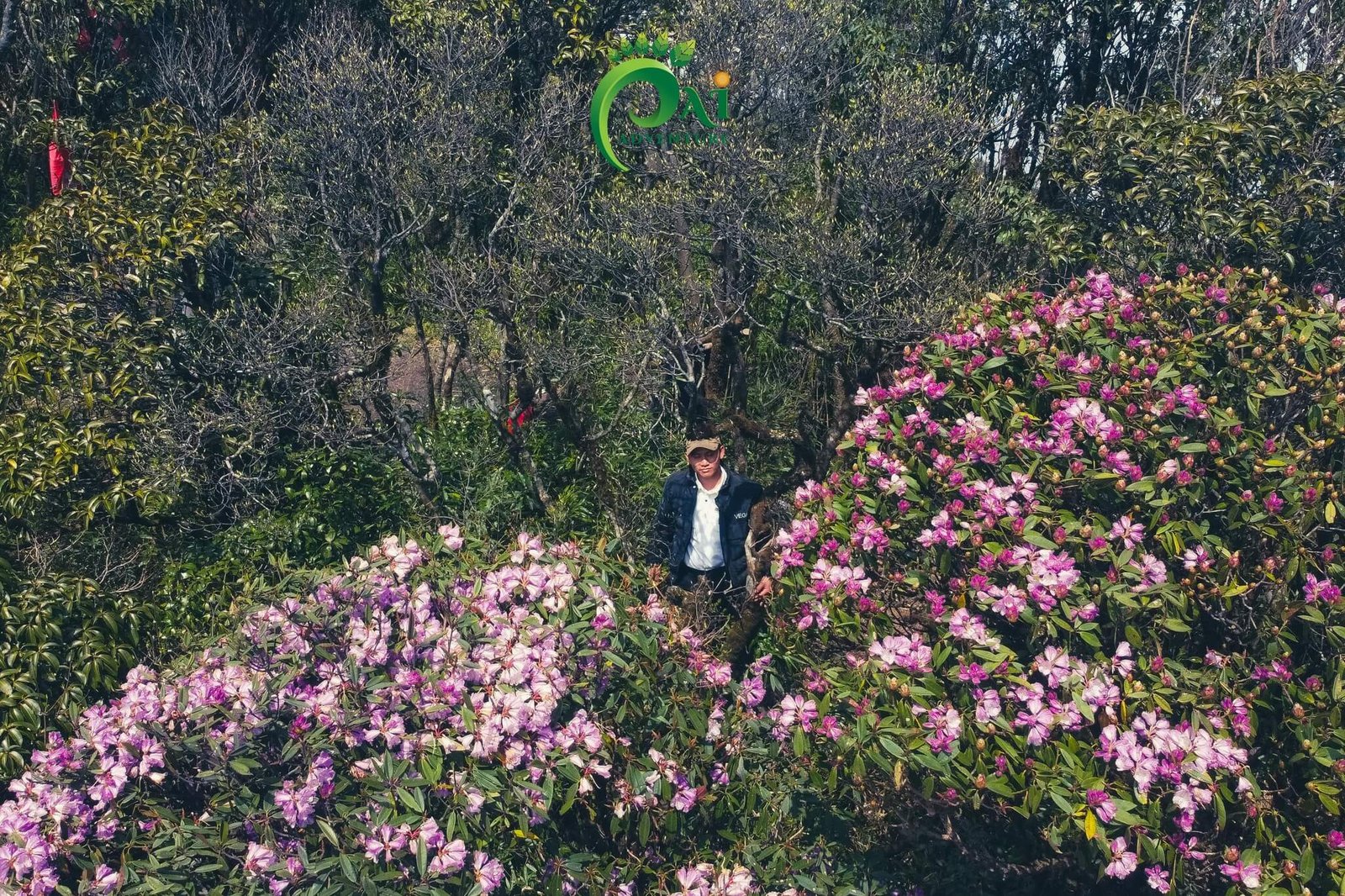
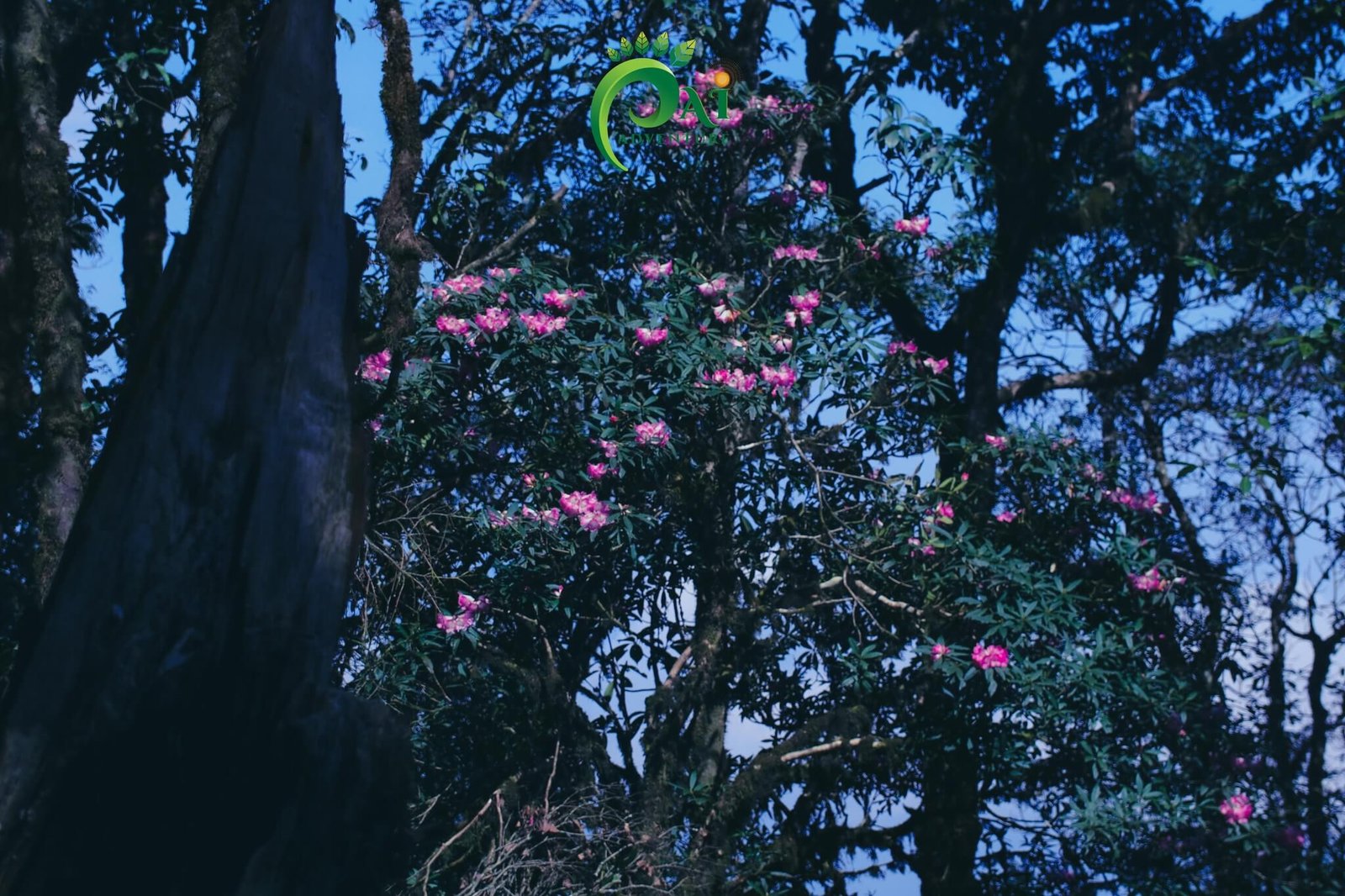
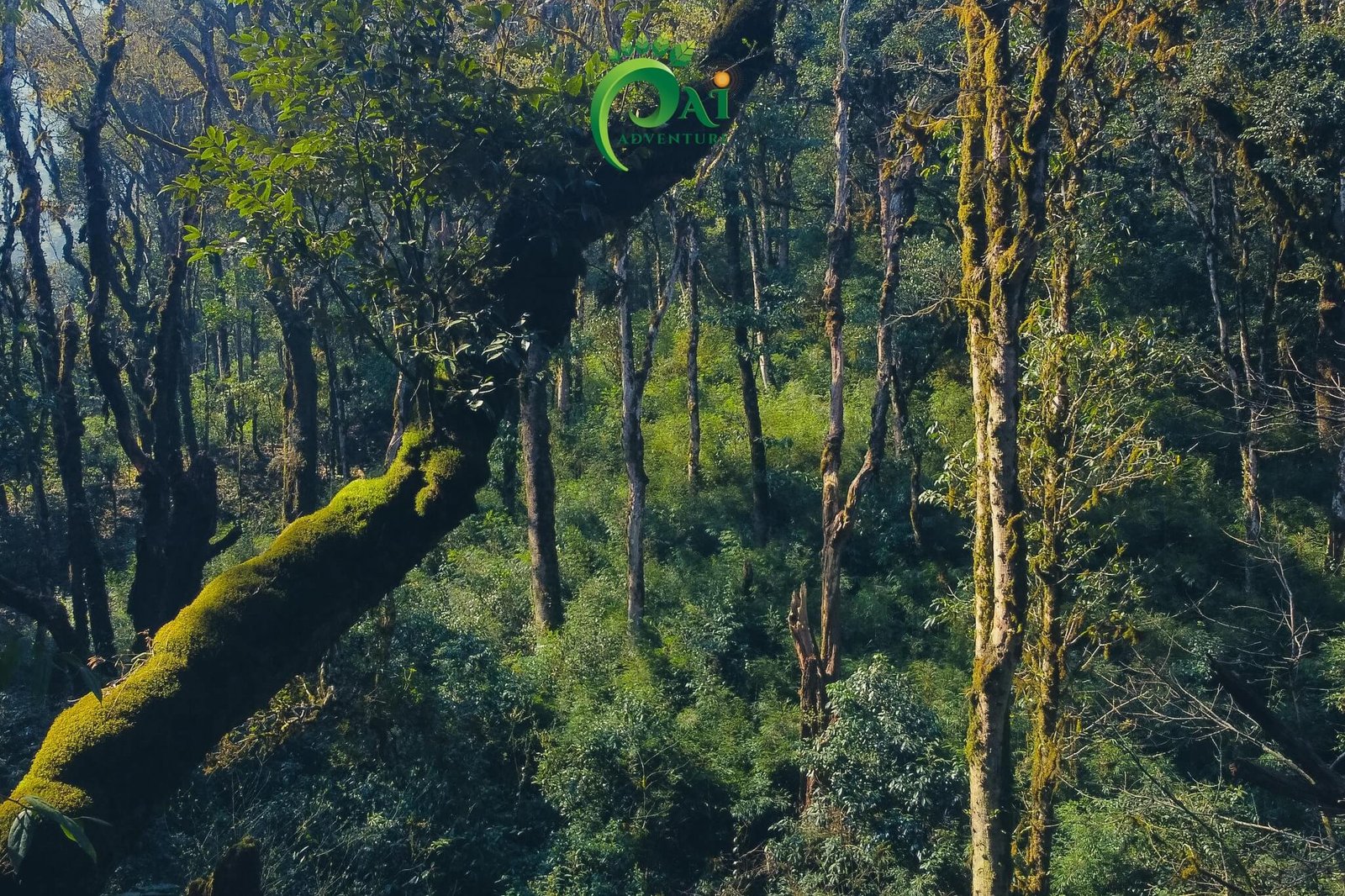
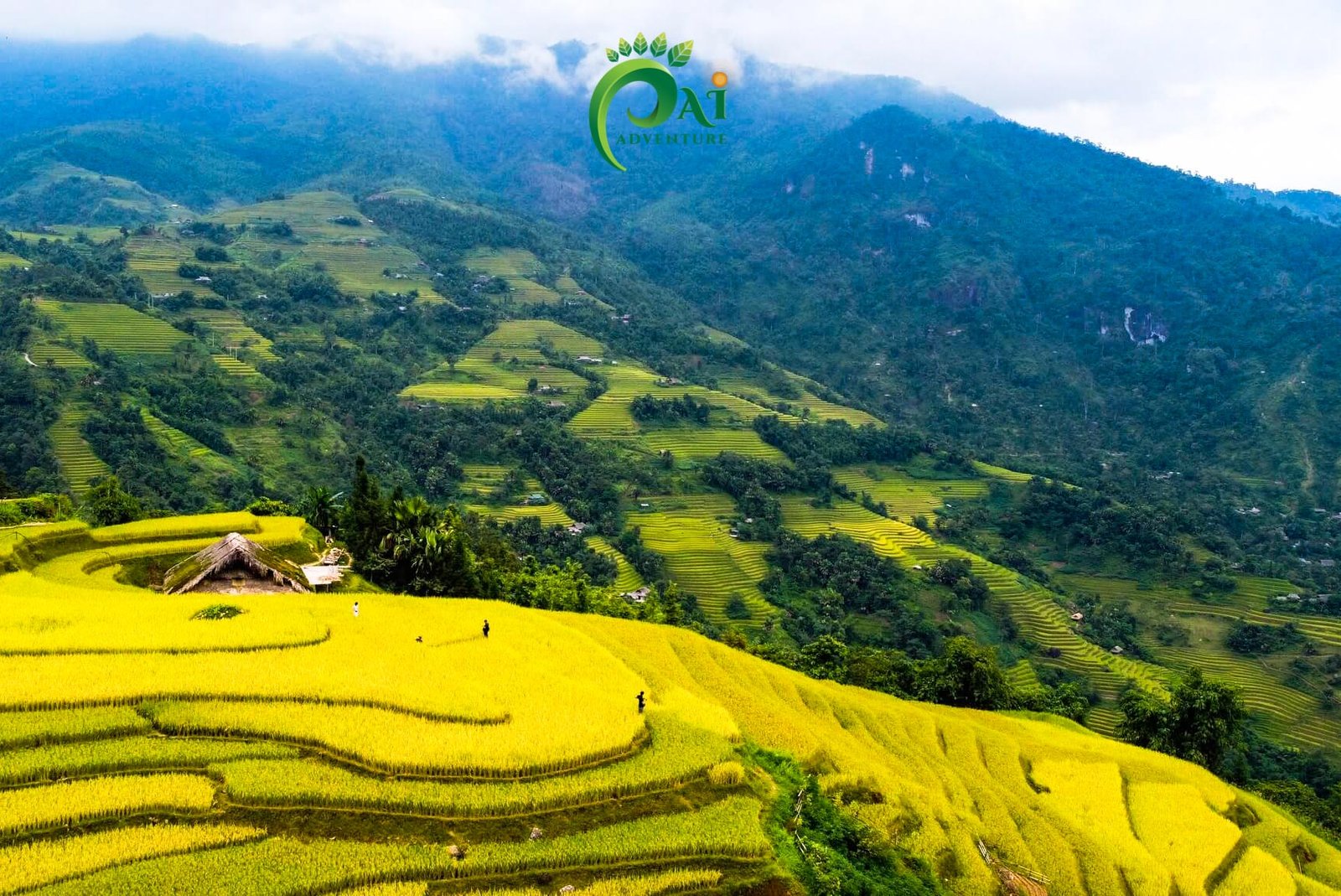
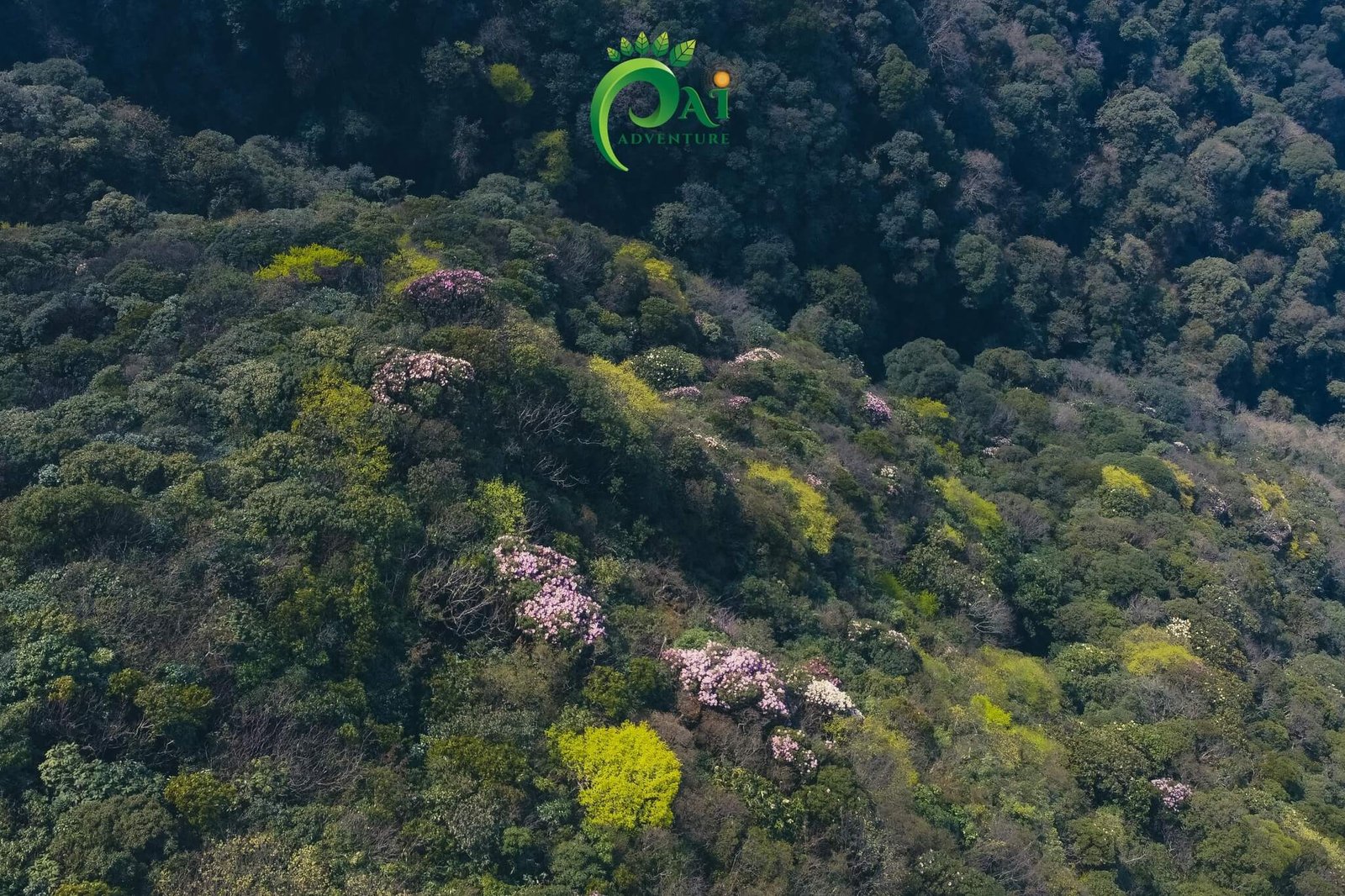
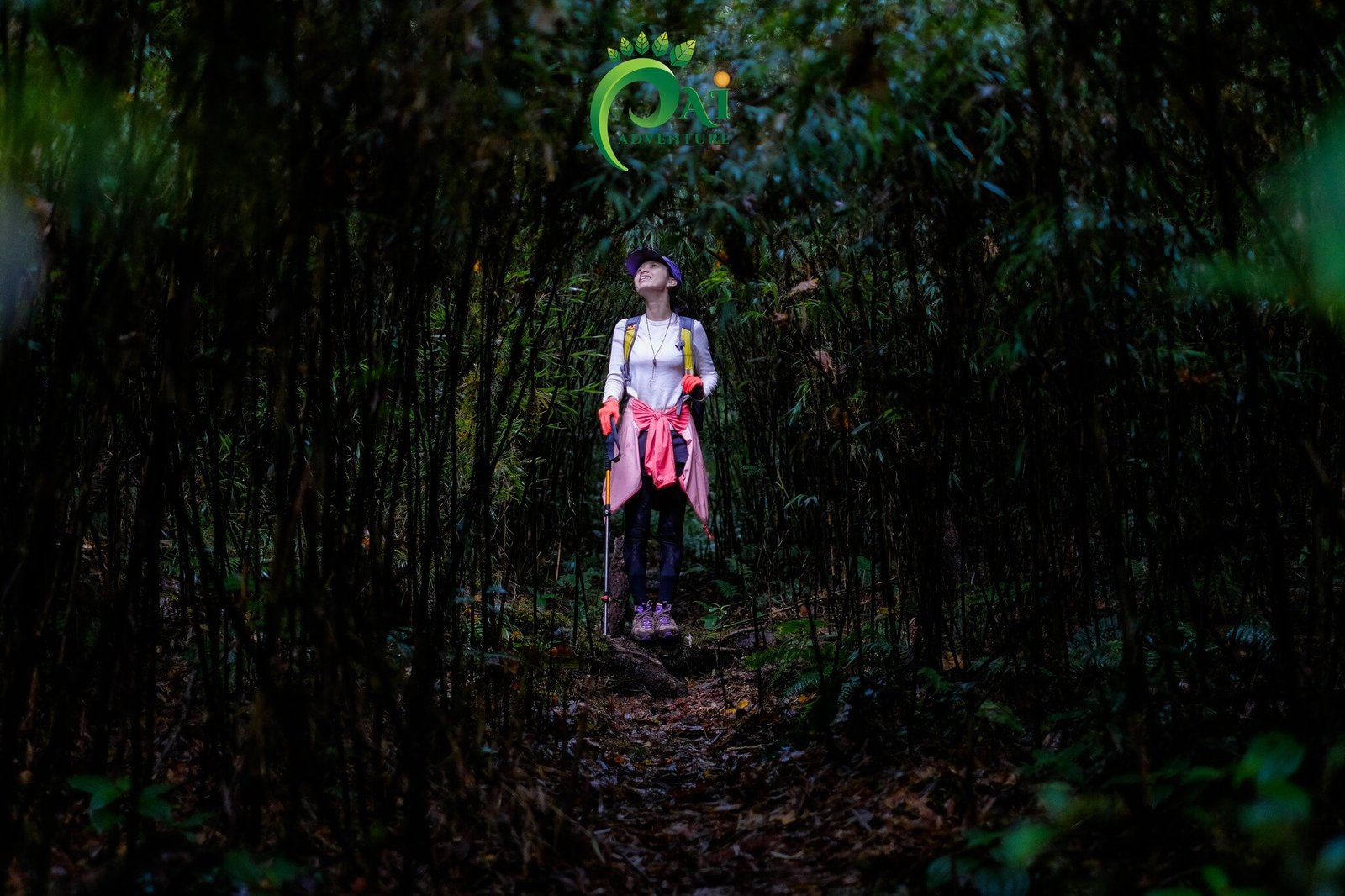
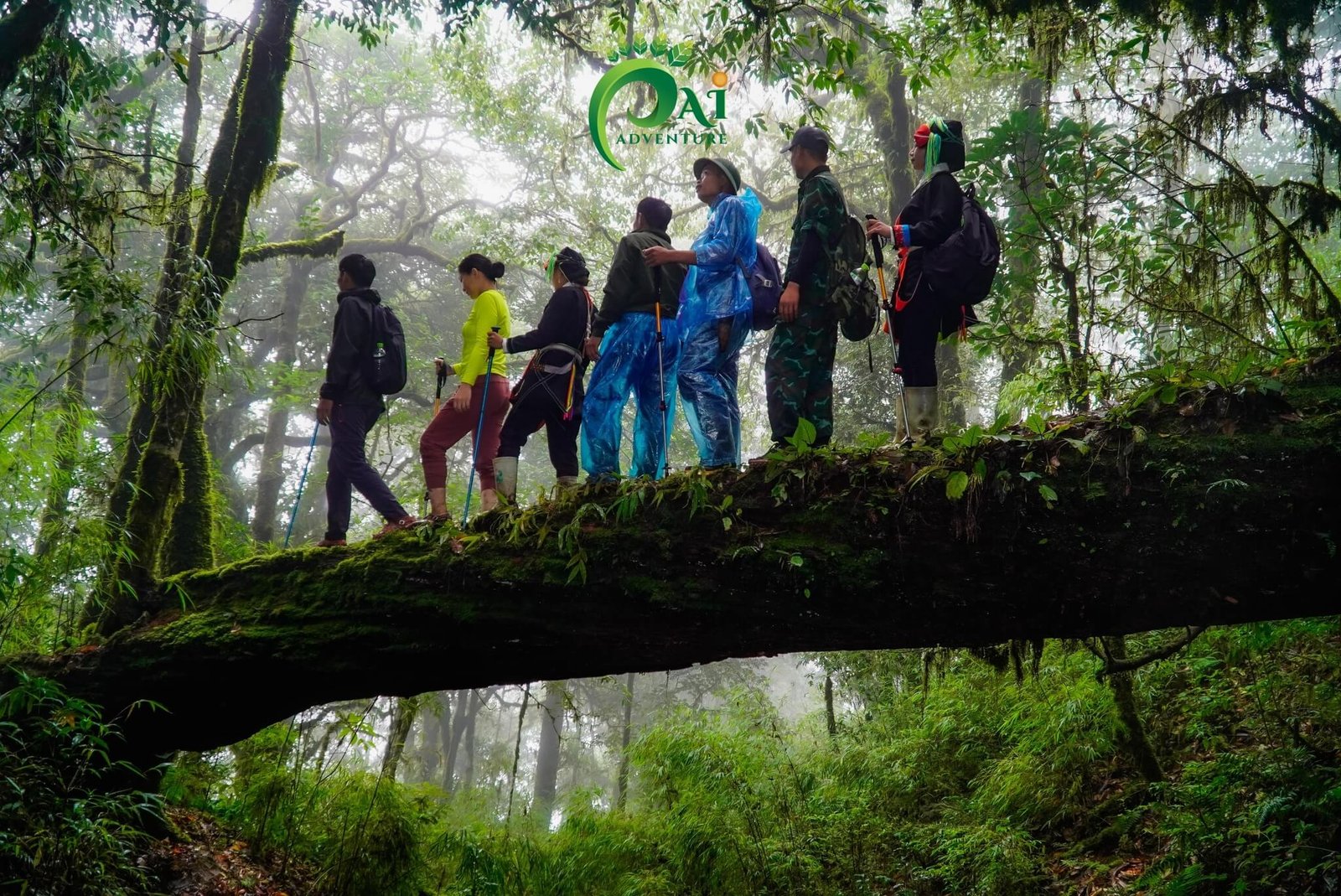
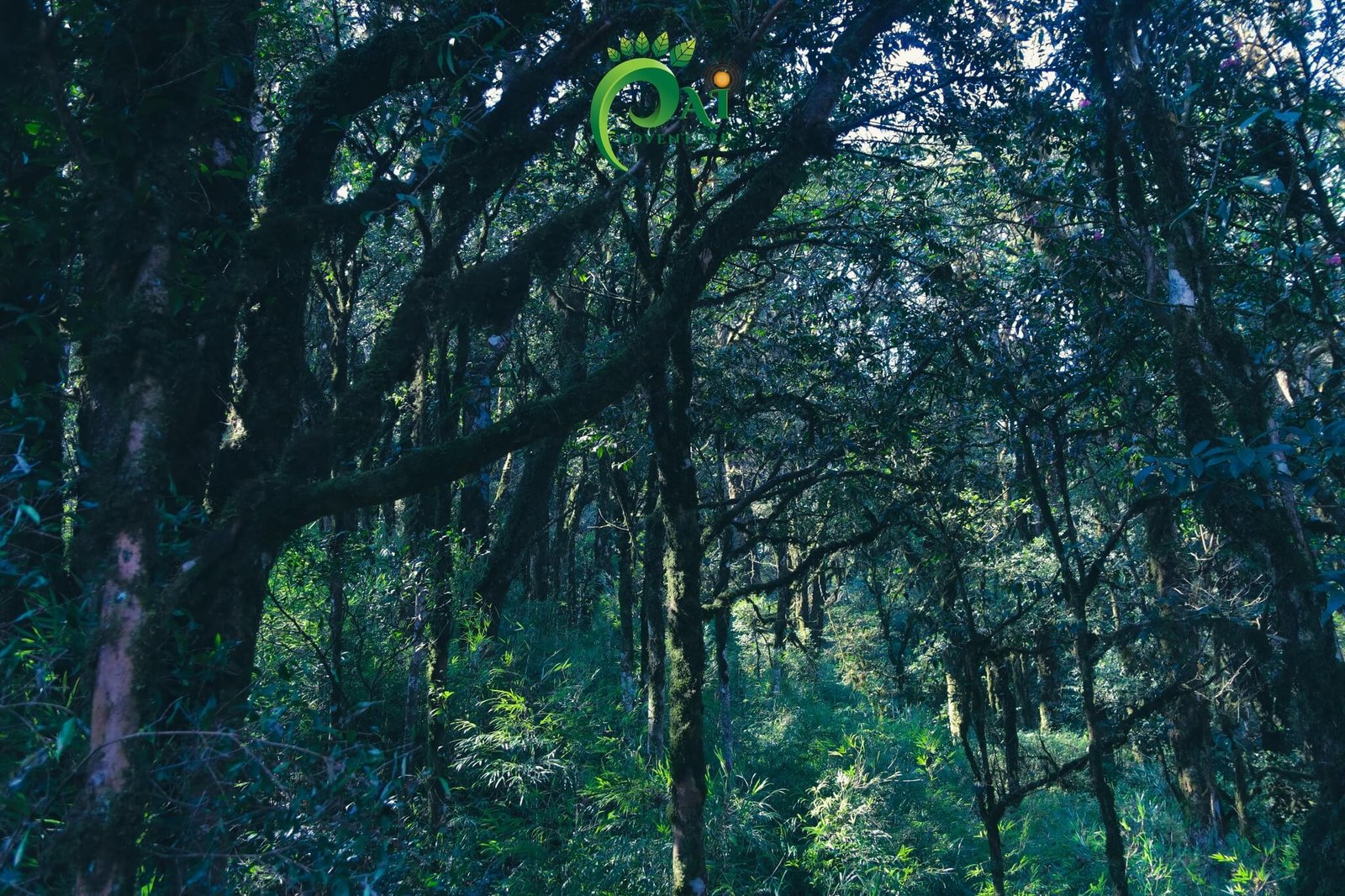
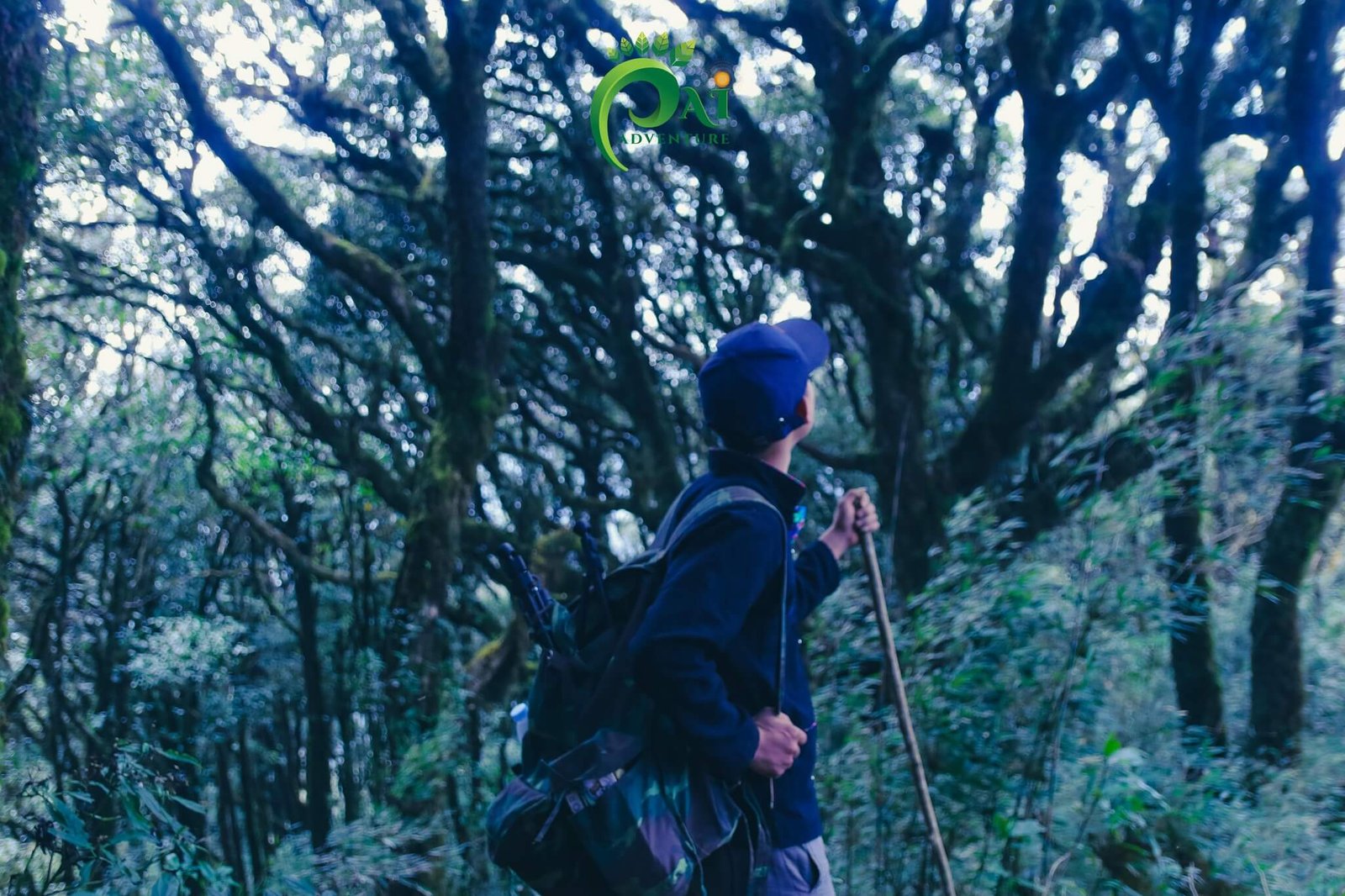
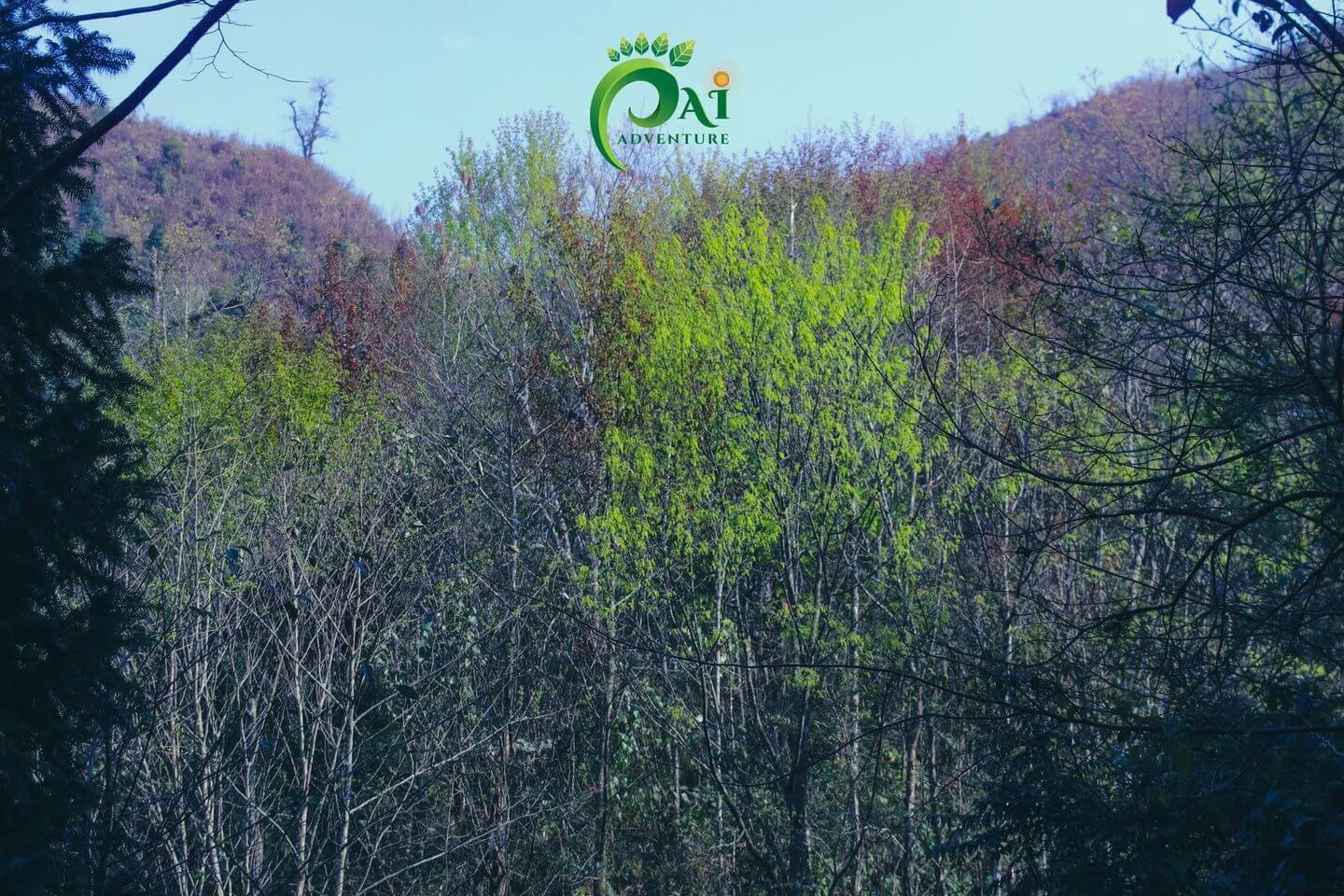
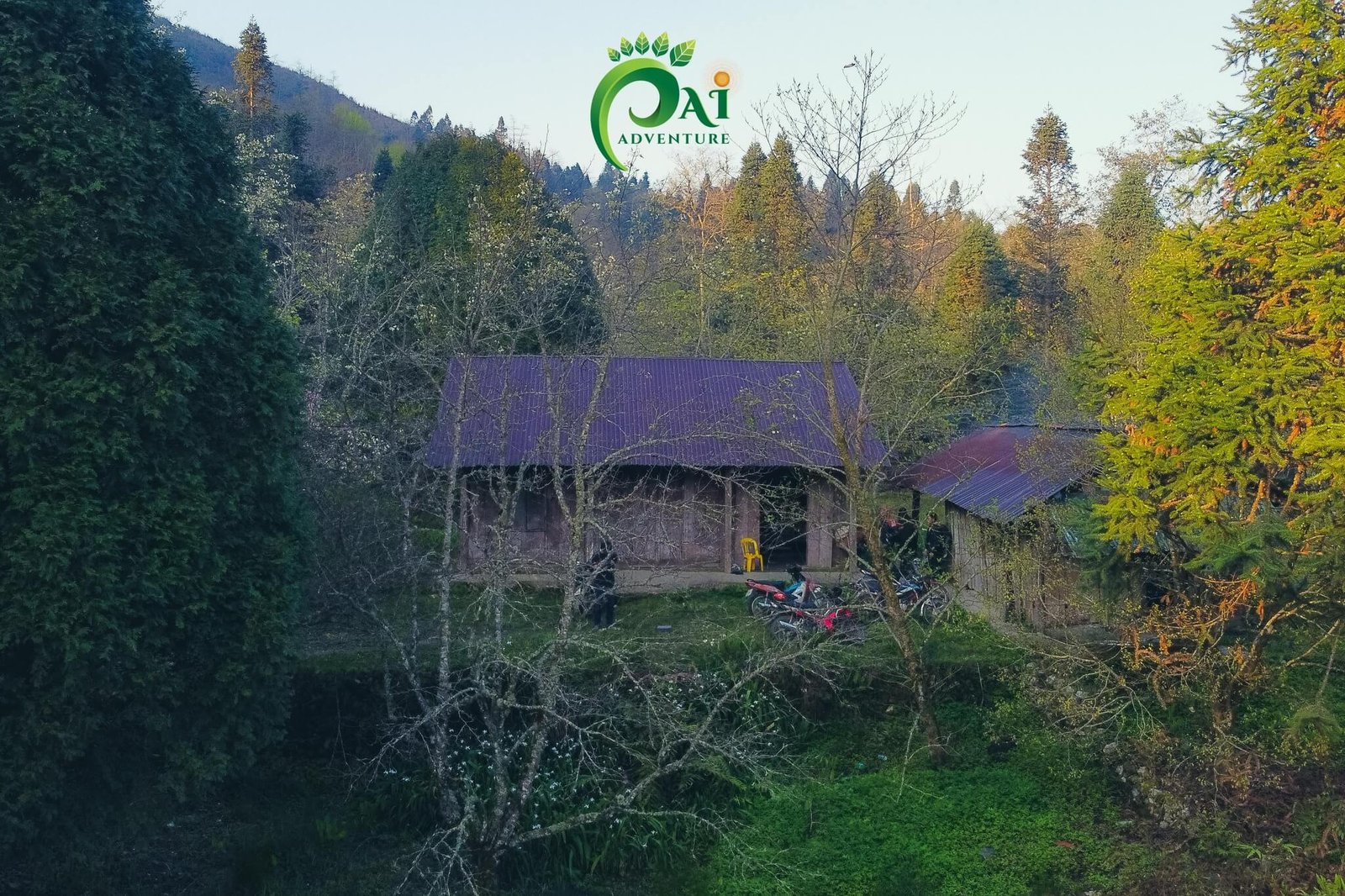
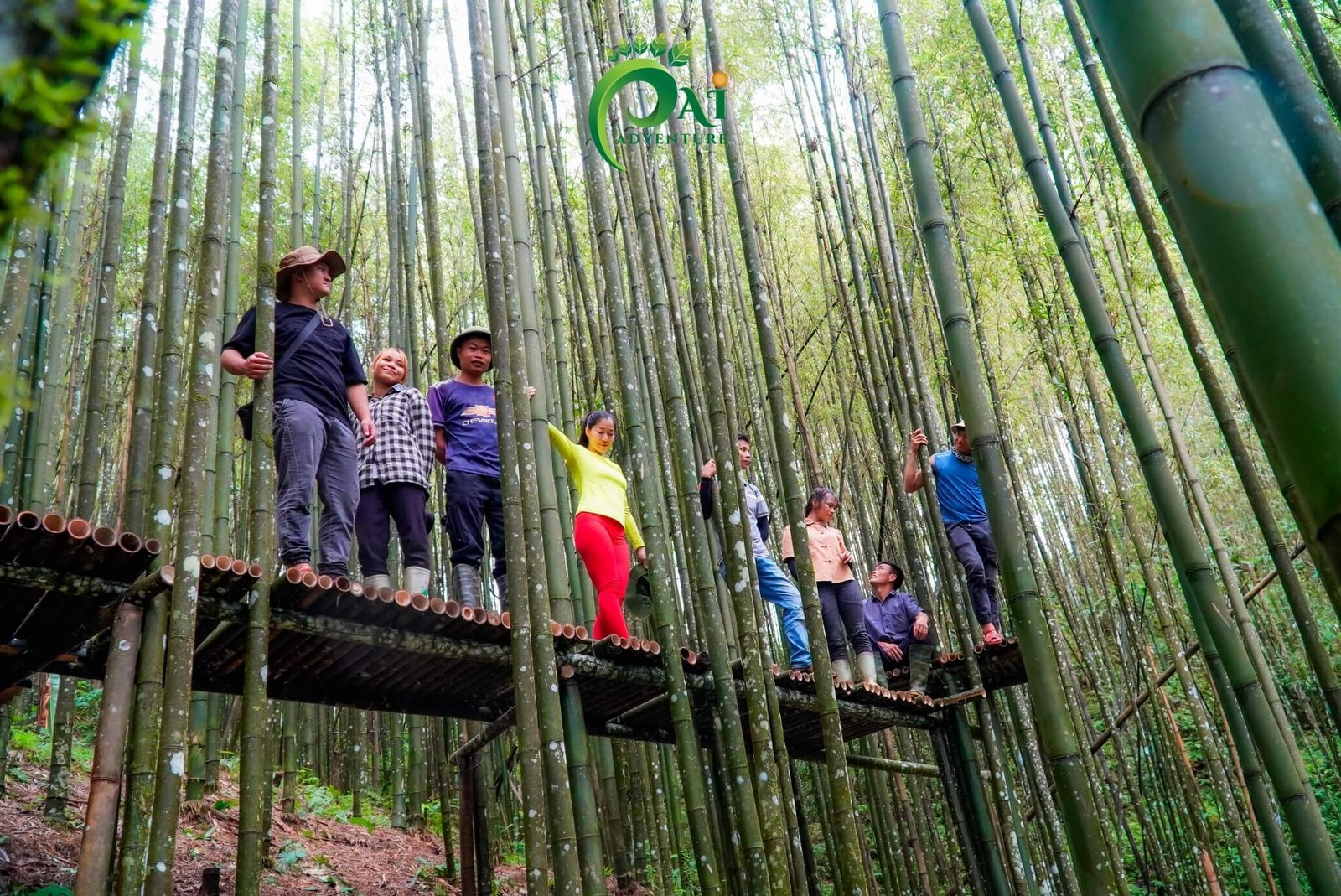
- Mountains, forests, and terraced fields turn vivid green.
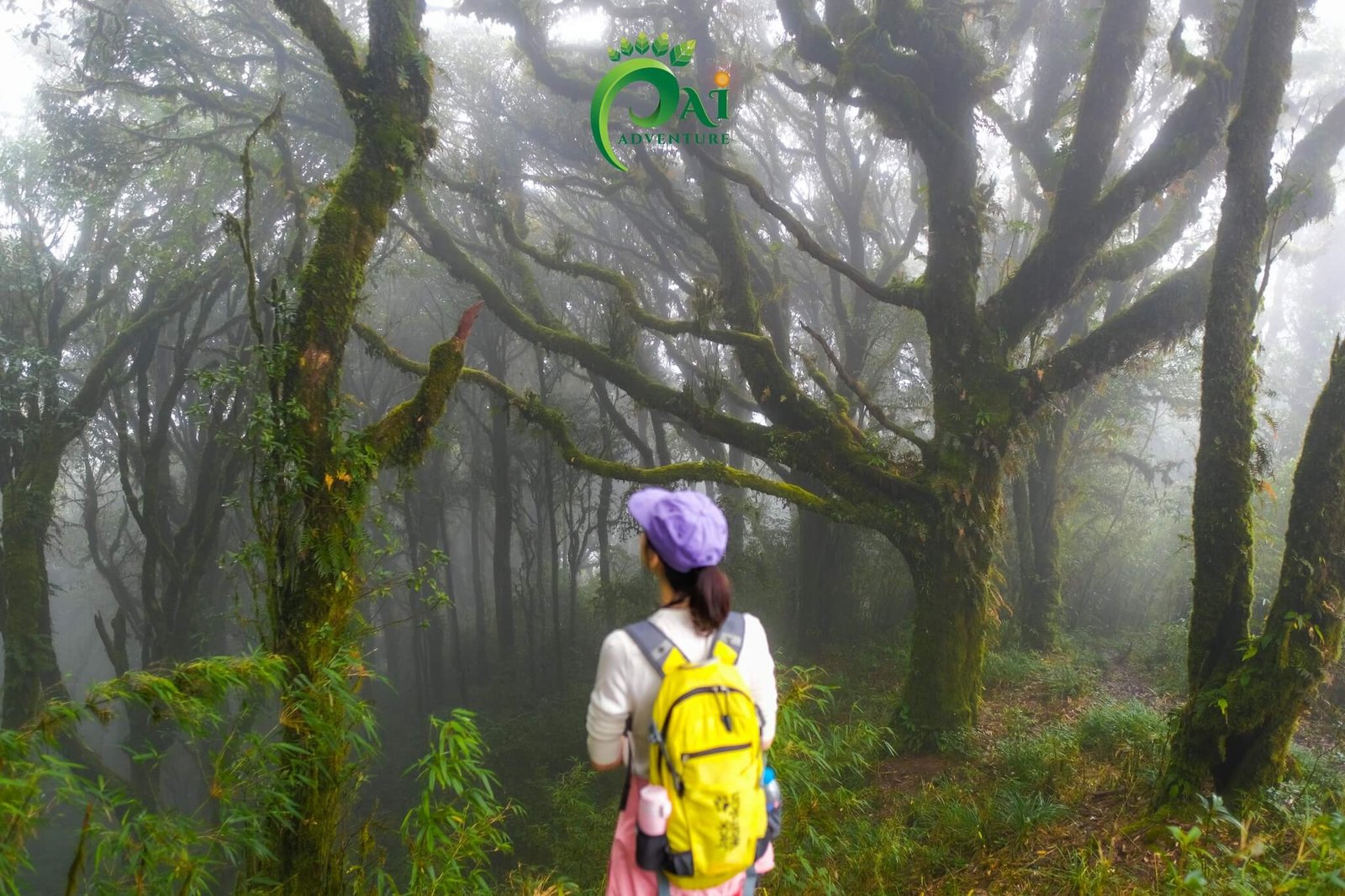
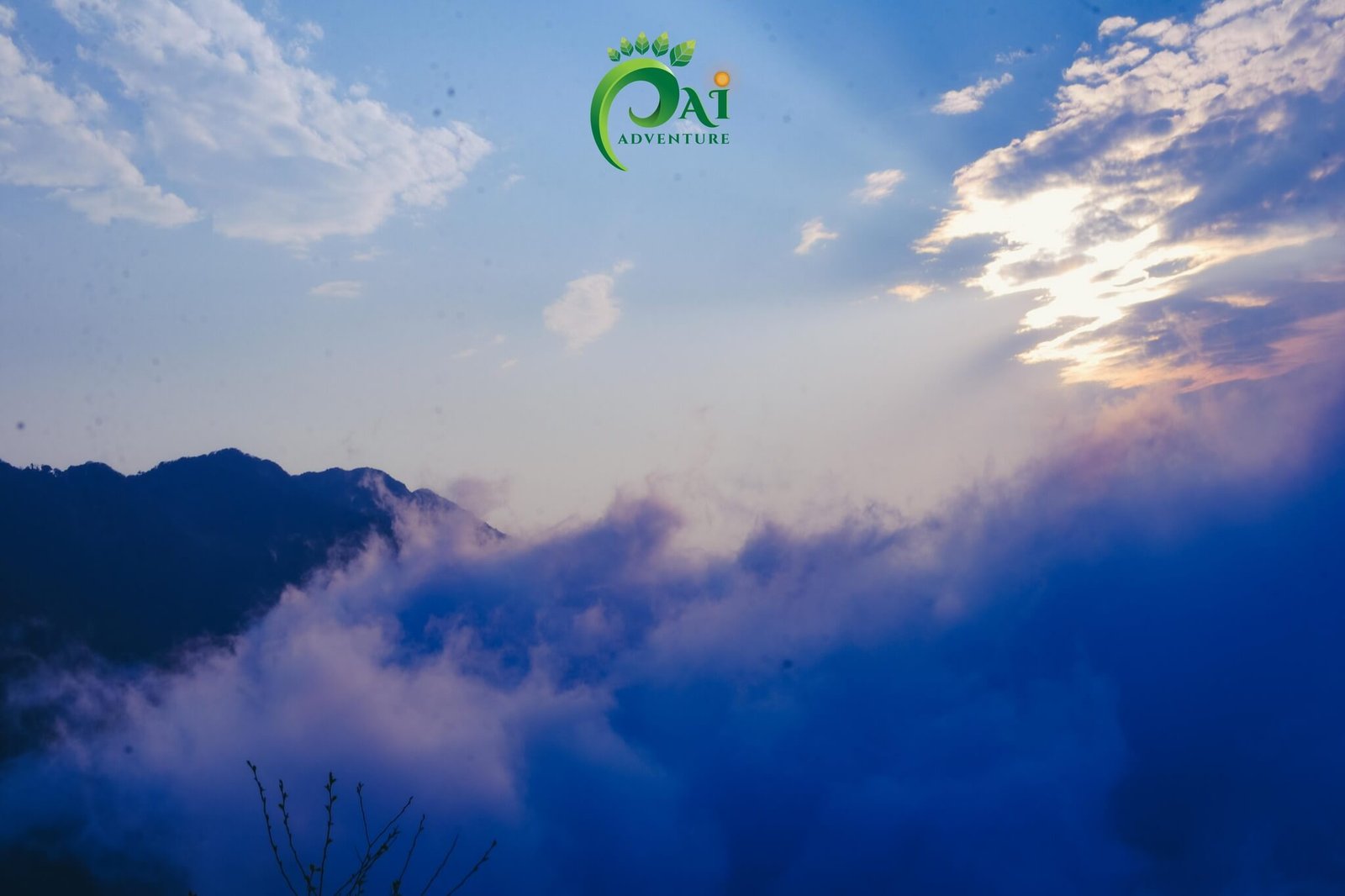
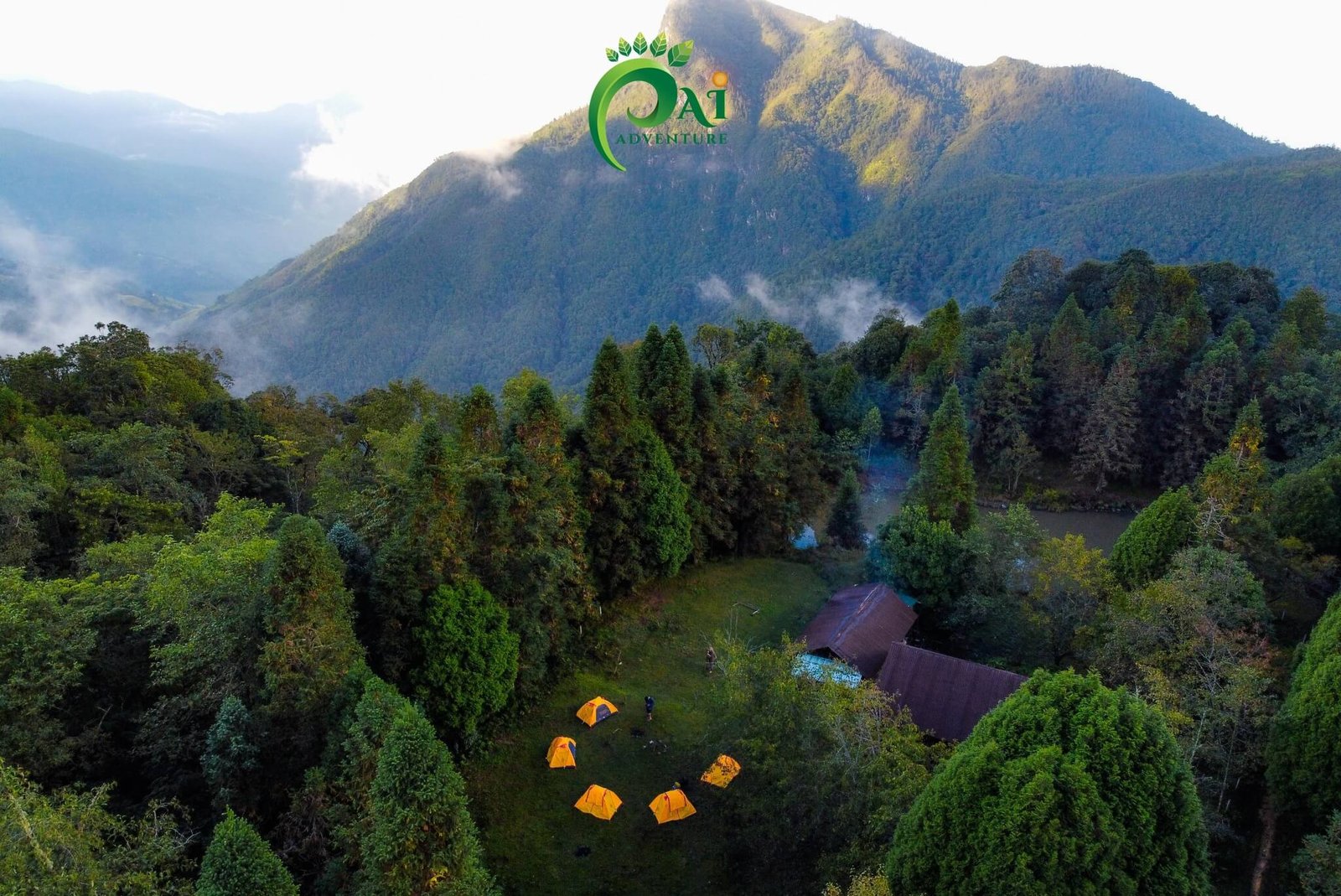
- Clouds often drift low across valleys and slopes after a shower.
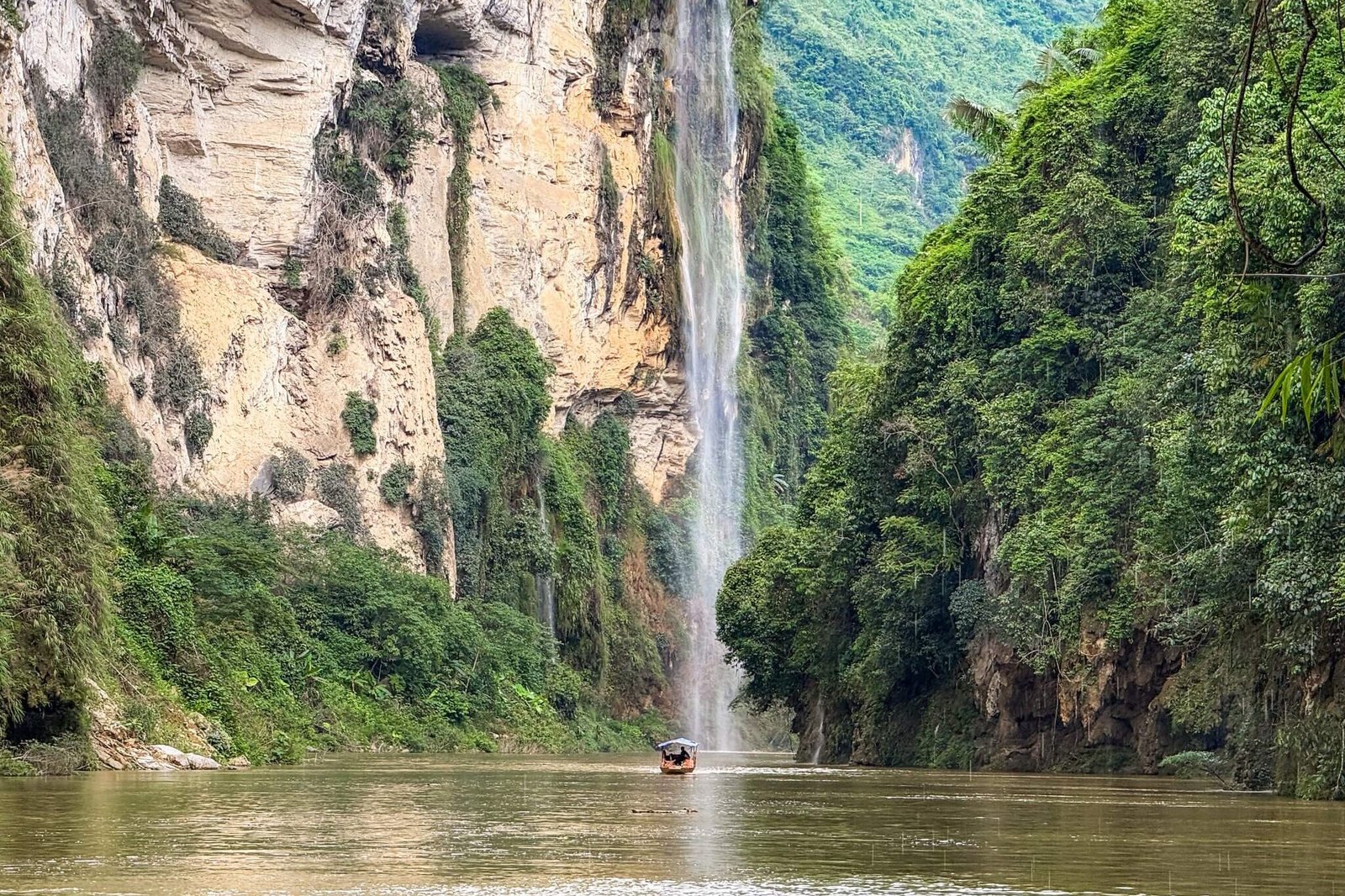
- Waterfalls, streams, and rivers become fuller and more dramatic.
- Cooler air, less road dust, and soft post-rain light can be excellent for photography.
- Some destinations are quieter than during peak travel periods.
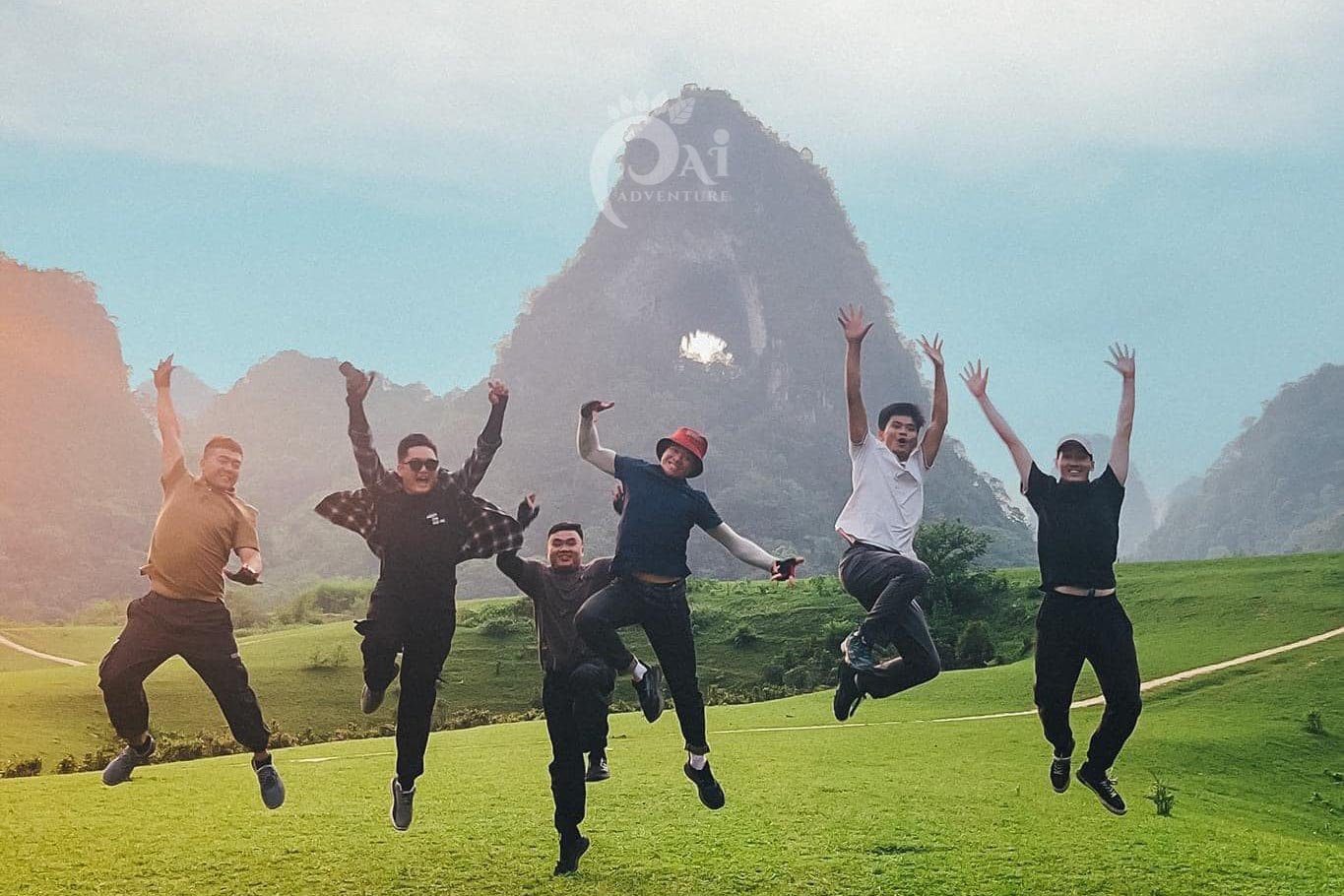
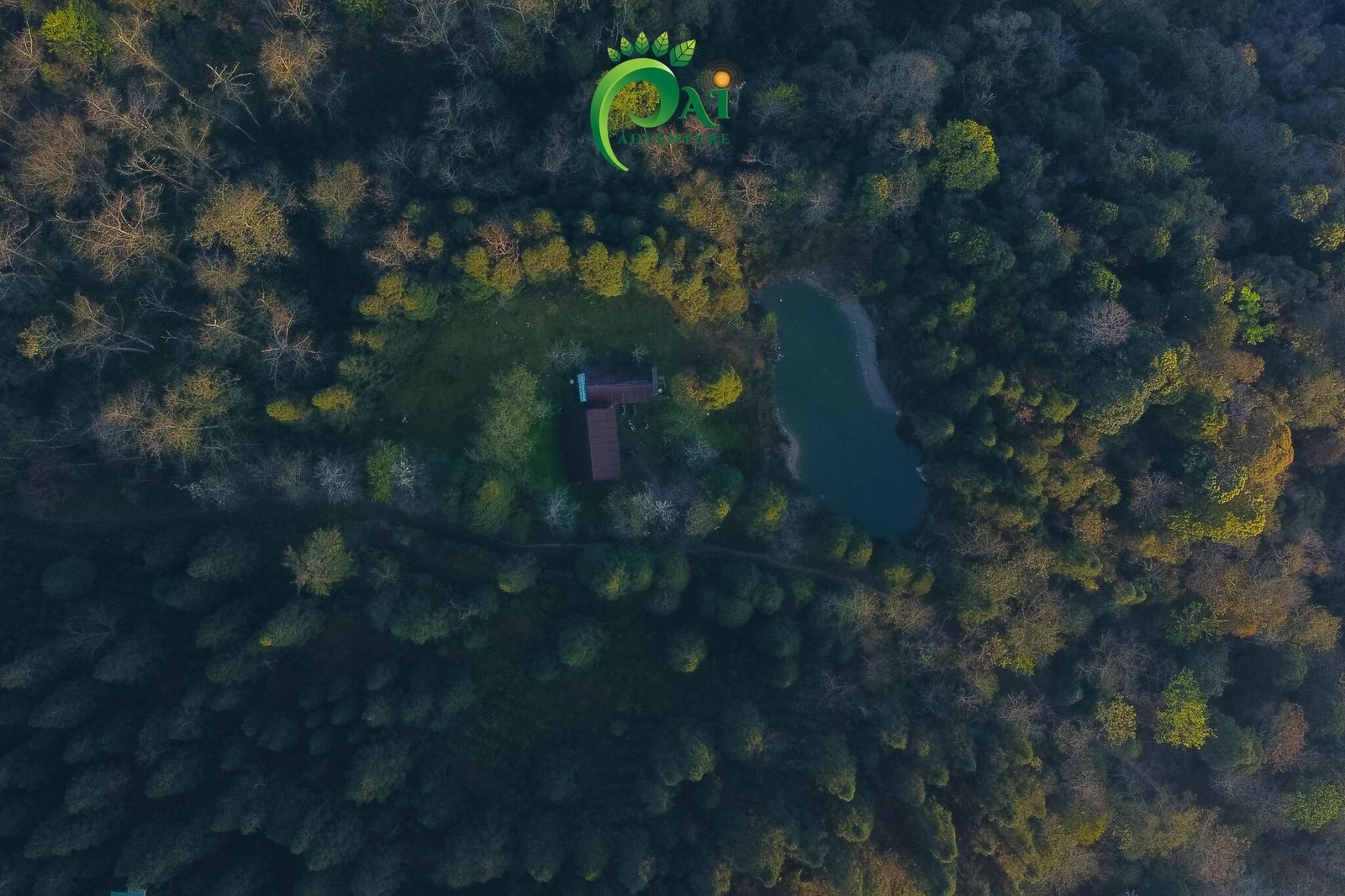
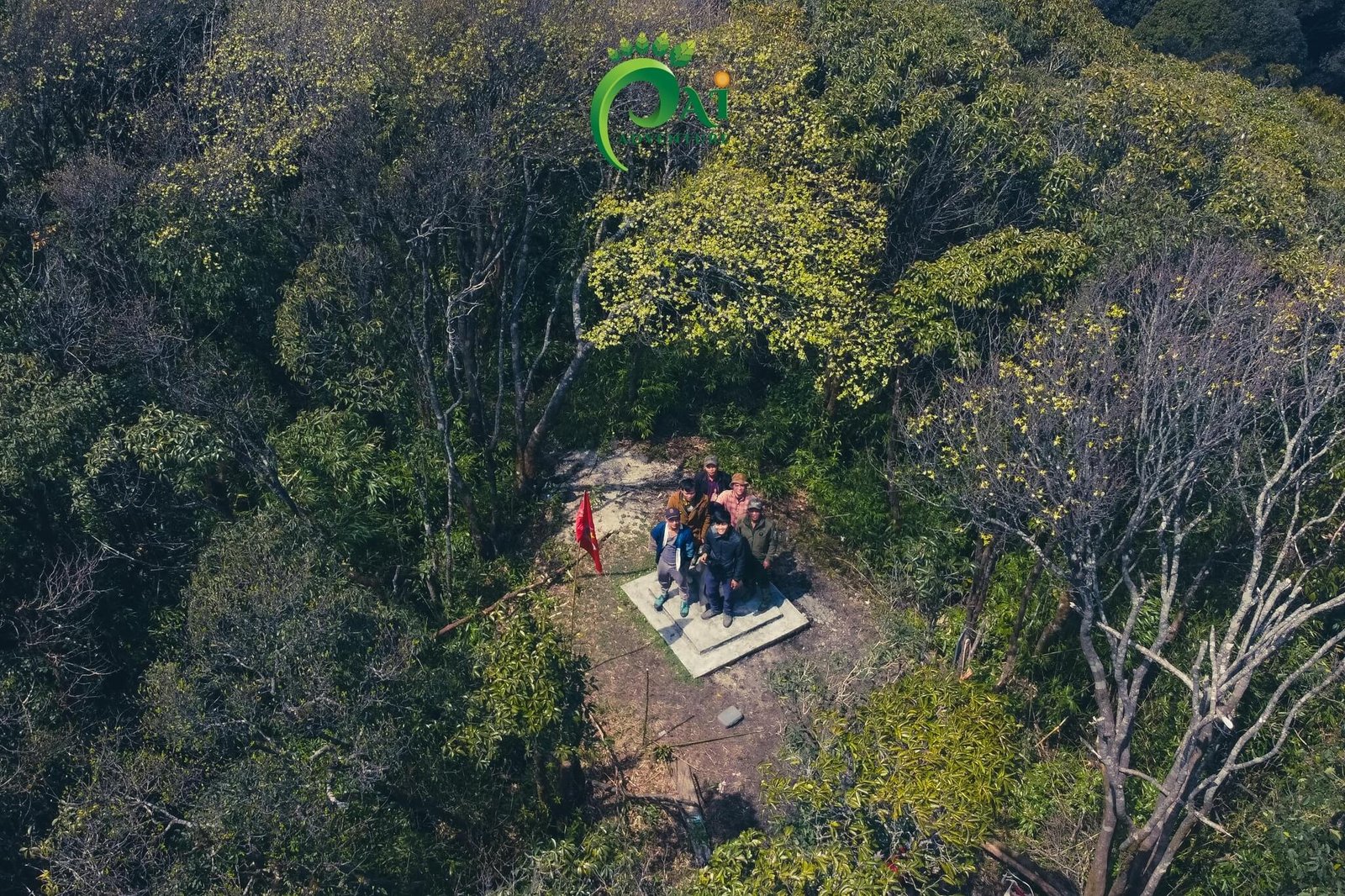
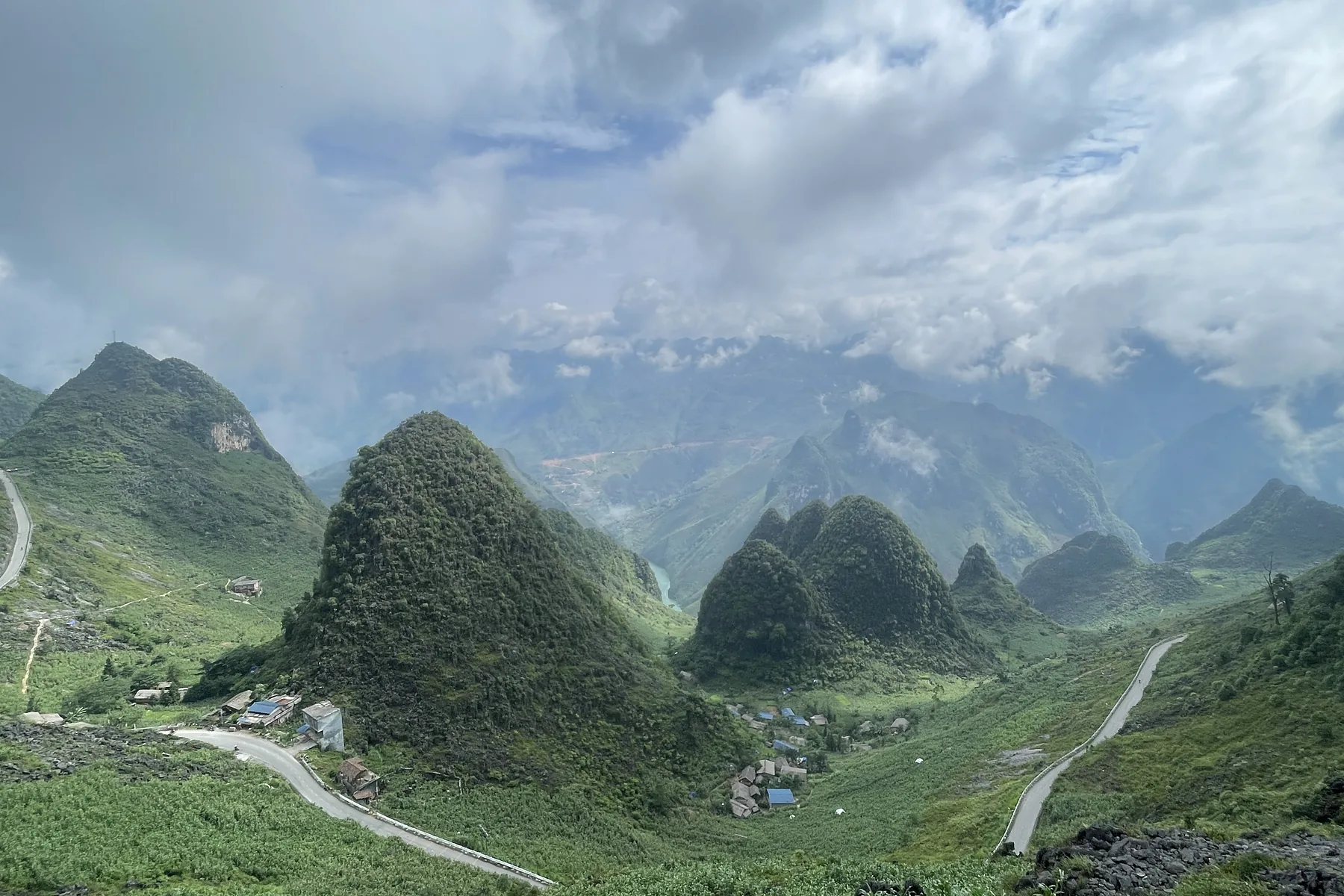
The Dong Van Karst Plateau is a UNESCO Global Geopark, where limestone peaks, deep valleys, and highland villages form one of Vietnam’s most distinctive landscapes. Rain, cloud, and fresh vegetation soften the rocky scenery, but the same high-mountain terrain requires extra care on the road.
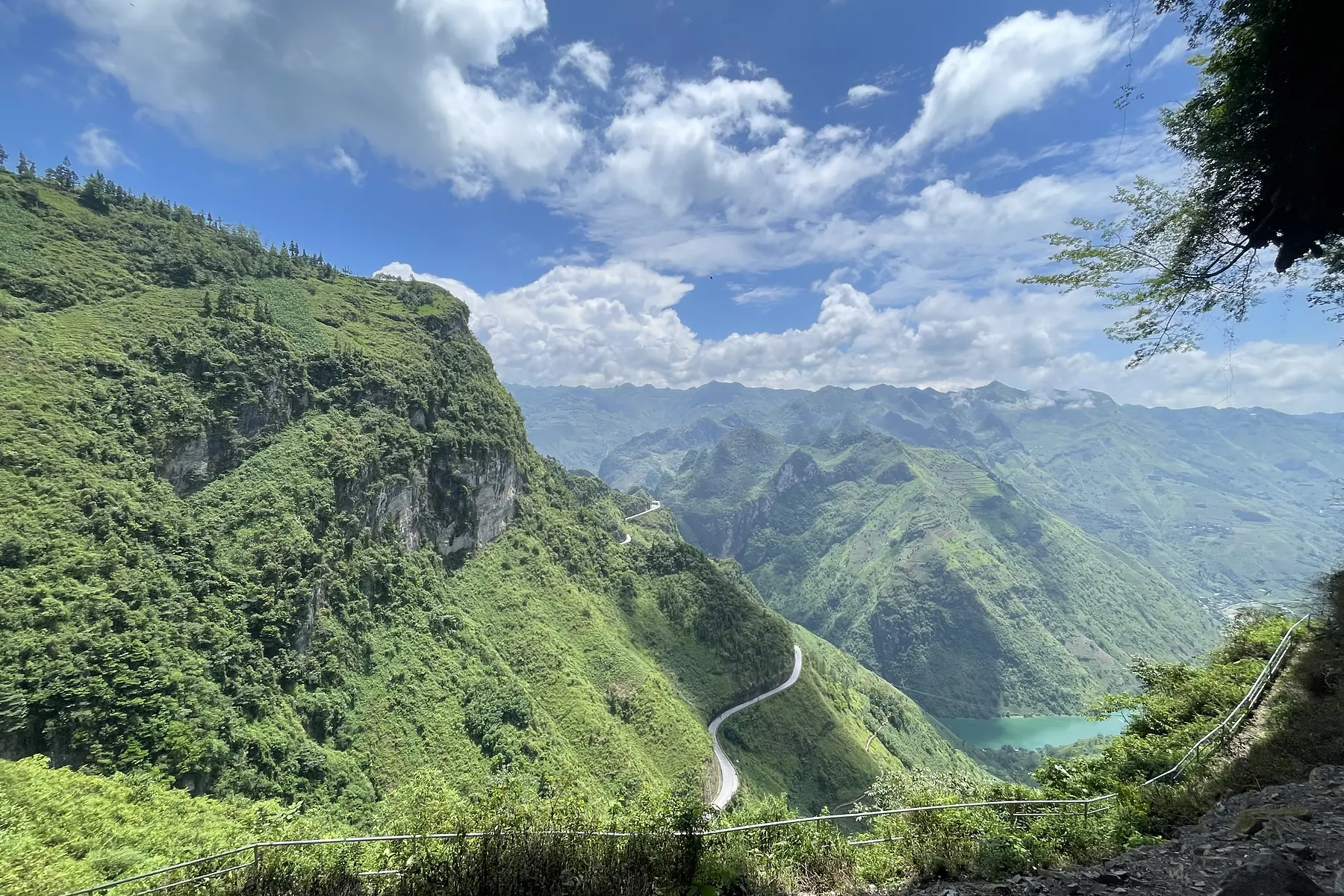
Risks to consider on Ha Giang’s mountain roads
Slippery surfaces and longer braking distances
Rain reduces tyre grip, especially on bends, steep sections, mud, wet leaves, painted road markings, and patches of gravel. Sudden braking or entering a corner too quickly can destabilise a motorbike. Reduce speed before the bend, brake smoothly, and avoid abrupt steering.
Reduced visibility
Rain, fog, and low cloud can hide the vehicle ahead, road signs, or the next turn. A familiar pass can feel completely different when visibility falls to only a few dozen metres. Use lights, slow down, increase following distance, and stop in a safe place if you cannot see enough of the road to continue confidently.
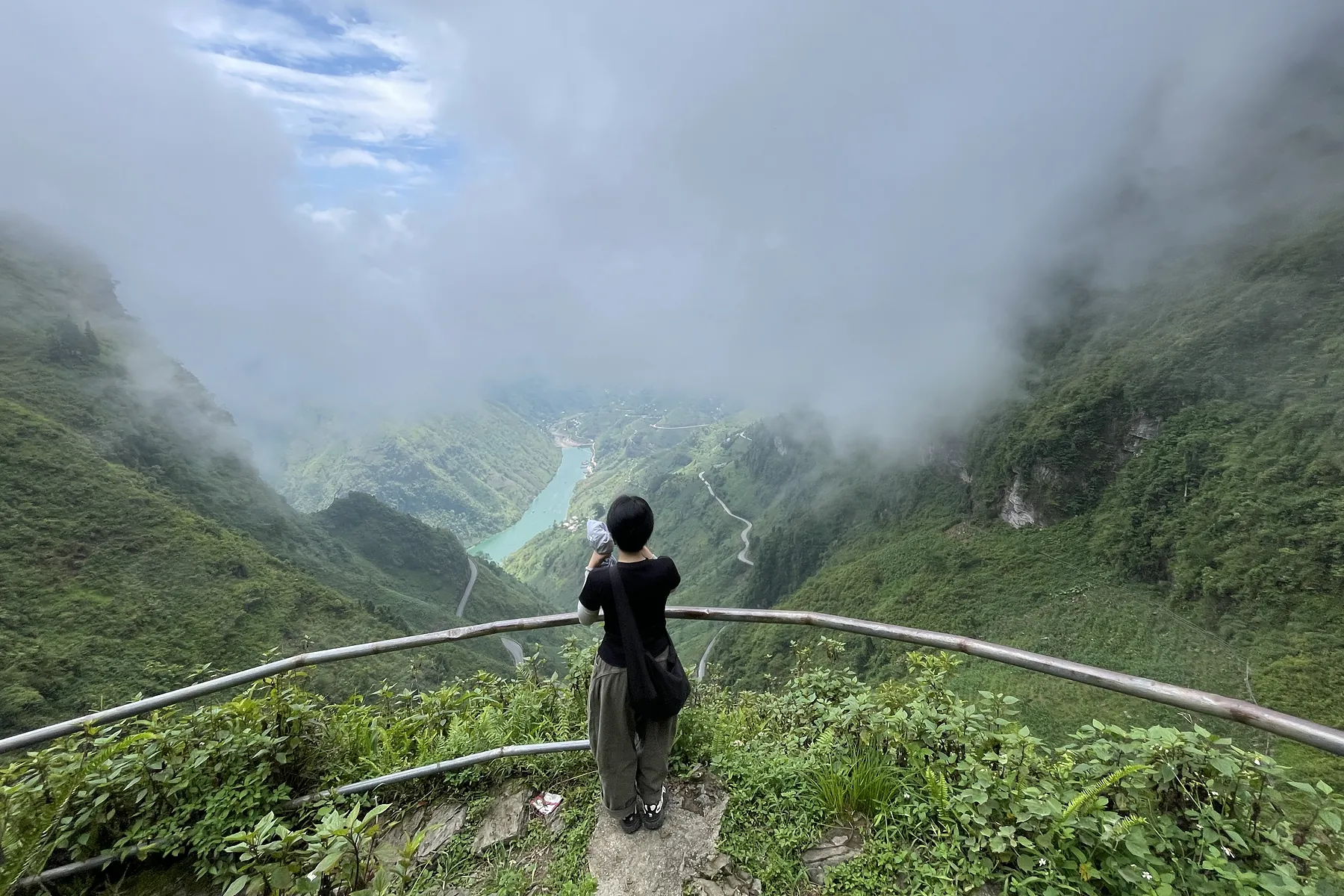
Rockfalls, landslides, and rising water
After prolonged heavy rain, slopes, roadside cliffs, village access roads, and areas near streams may become unsafe. Do not stop for long beneath unstable soil or rock faces. Never attempt to cross fast-moving water, fresh debris, or a section of road that local authorities have closed or restricted.
Cold, fatigue, and loss of concentration
Wet clothing, wind on the pass, and falling temperatures can make you cold and tired surprisingly quickly. Fatigue reduces judgement and reaction time, so waterproof layers and a dry change of clothes are as important as the right helmet and footwear.
7 essential tips for a safe rainy-season trip
1. Check the weather for every leg of the journey
Review forecasts the evening before, again before departure, and at major stops. Look beyond rainfall totals to thunderstorm warnings, strong winds, landslide alerts, and visibility. Guides, homestays, and local residents can also provide valuable updates on the road conditions they have seen that day.
2. Do not force the original itinerary in heavy rain
A good itinerary always has room to change. If rain becomes intense, stop somewhere safe, shorten the day, or replace an exposed outdoor activity with a cultural or food experience. Missing one viewpoint will not ruin your trip; continuing in unsafe conditions can affect the entire journey.
3. Choose a vehicle that matches your experience
A motorbike offers freedom, but it also requires confidence on steep passes, controlled braking, and experience on wet roads. If you rarely ride in the mountains, are unfamiliar with a manual motorbike, or do not feel confident in rain, consider travelling by car or taking an easy-rider option with a local driver.
Before setting off, check the brakes, tyres, lights, horn, mirrors, and fuel. Your helmet must fit correctly and the chin strap should be secured. Tie down luggage so it cannot shift or interfere with steering.
4. Pack waterproof gear that works on the road
A practical rainy-season kit should include:
- A compact rain suit that fits close to the body; avoid loose ponchos that can catch the wind or become tangled on a motorbike.
- Shoes with reliable grip that dry quickly.
- A waterproof pouch or zip bags for your phone, documents, and power bank.
- At least one dry set of clothes, dry socks, and a light warm layer.
- Personal medication, a basic first-aid kit, and energy snacks.
5. Slow down, leave more space, and avoid riding at night
Ride more slowly than you would in dry conditions and leave enough distance to react without hard braking. Do not follow large vehicles closely, and never overtake on blind bends. Whenever possible, finish the day’s route before dark: rain at night makes it much harder to judge the road surface, debris, and sharp turns.
6. Travel with a guide or local driver when needed
A local guide does more than show the way. They can check conditions on each section, select safer stopping points, and adjust the route to the weather and the group’s energy. This is especially valuable for first-time visitors and travellers without mountain-riding experience.
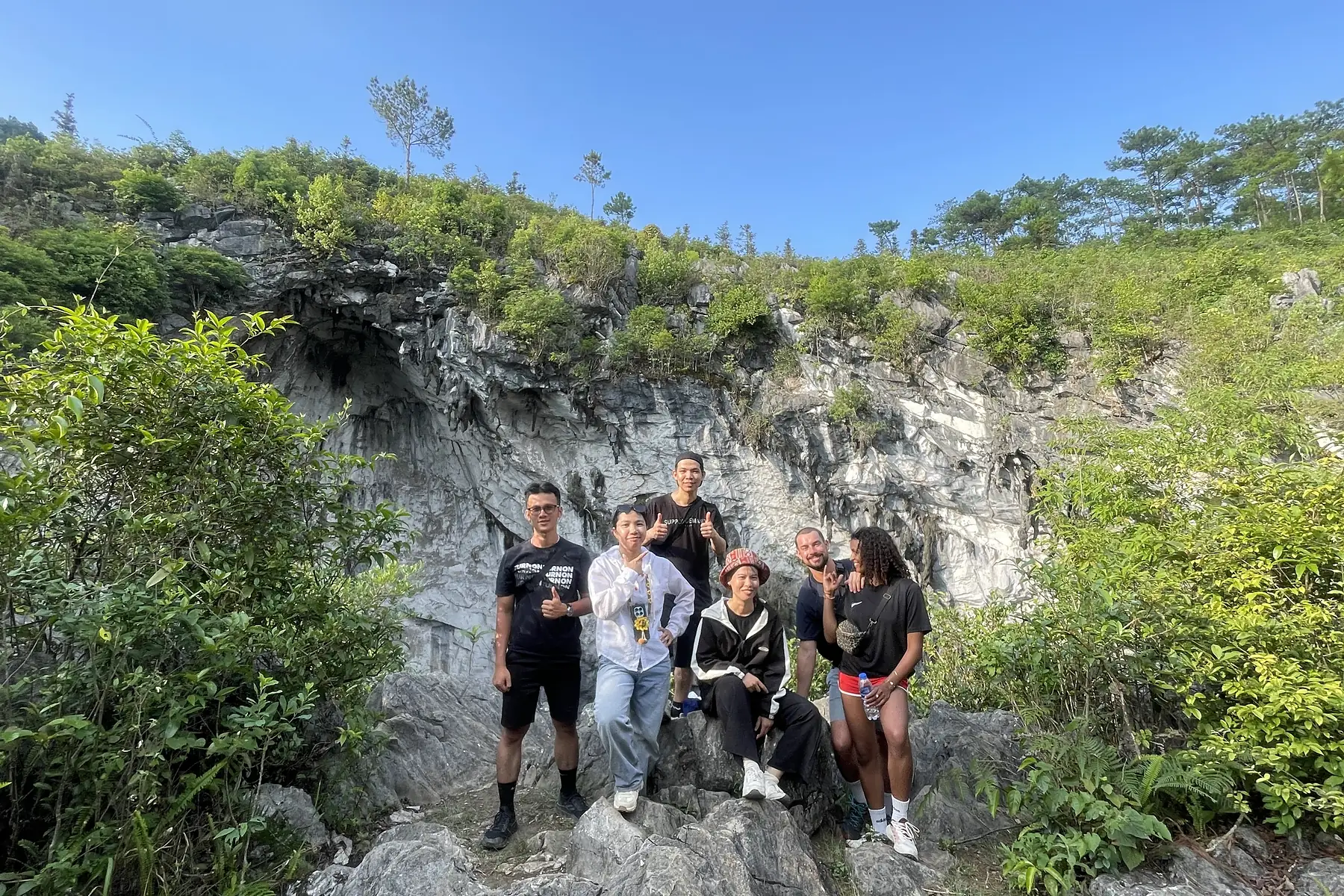
Pai Adventure runs small-group journeys with self-ride motorbikes, easy riders, and private cars. The 3D2N Ha Giang Loop Classic Tour is a balanced introduction for first-time visitors.
7. Always have a backup plan
Save the contact details of your tour operator, accommodation, and family. Carry a charged power bank, some cash, and essential documents. Prepare a Plan B for hiking, camping, boat trips, or kayaking. When severe weather warnings are issued, postponing or replacing an activity is the responsible decision.
Which route is best during the rainy season?
There is no single route that is suitable for every rainy day. The right choice depends on the latest forecast, road conditions, and the group’s experience.
For first-time visitors, a three-day, two-night itinerary is often a good balance: it covers the main highlights without forcing too much distance into one day. In suitable conditions, a route may include Quan Ba, Yen Minh, Dong Van, Ma Pi Leng Pass, and the Nho Que River area. After heavy rain, prioritise main roads, reduce minor detours, and replace exposed outdoor activities with cultural visits, local food, or rest in a safe town.
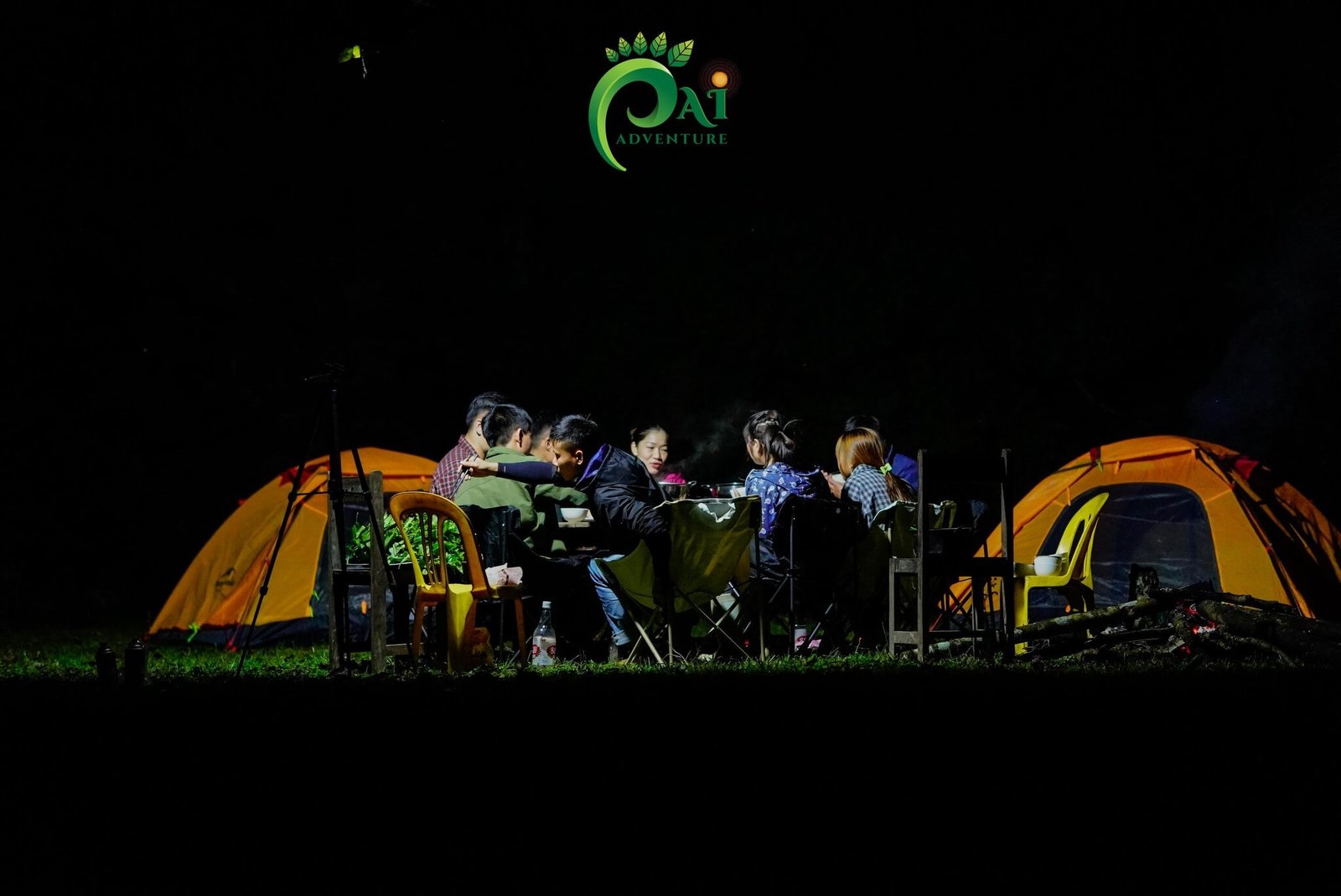
Hiking, camping, and river experiences should only go ahead when the weather allows and the operator confirms that conditions are safe. Do not decide solely on clear skies at your departure point; conditions at the destination may be completely different.
For travellers who want to explore more deeply with local support, consider the 3D2N In-Depth Ha Giang Loop Tour. The actual route should always be adjusted to the weather and road information available on the day.
Frequently asked questions
Is July a good time to visit Ha Giang?
Yes, if you enjoy green landscapes, post-rain clouds, and a flexible style of travel. Check forecasts close to departure, bring reliable waterproof gear, and be ready to change the route if necessary.
Should a beginner ride a motorbike in the rainy season?
If you are not used to mountain roads or wet-surface handling, do not self-ride simply for the experience. A car or an easy-rider motorbike with a local driver is usually a safer and more comfortable choice.
Does rain mean the whole trip must be cancelled?
Not every shower requires cancellation. Light, intermittent rain can often be managed by slowing down and adjusting departure times. Prolonged heavy rain, landslide or flash-flood warnings, and road closures are strong reasons to stop, change the route, or postpone that leg.
How many changes of clothes should I bring?
The exact number depends on the trip length, but always keep at least one complete dry set sealed in a waterproof bag, plus dry socks and a light warm layer. Quick-drying fabrics are more practical than thick materials that stay wet.
Can a tour guarantee that we will avoid rain?
No operator can guarantee the weather. The value of a well-prepared tour lies in accurate updates, appropriate transport, local leadership, and realistic alternatives when conditions change.
Prepare well and discover a different side of Ha Giang
Travelling to Ha Giang in the rainy season is not about gambling with the weather. It is about preparing more carefully and staying flexible. When you know when to stop, choose transport that matches your ability, and listen to local advice, you can still experience a greener, cloudier, and wonderfully alive Ha Giang.
If you are unsure which route to choose or whether to travel by motorbike or car, send Pai Adventure your preferred dates, group size, and riding experience. Our local team will recommend a journey suited to the forecast and the pace you want.