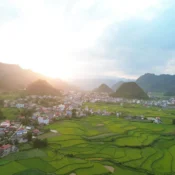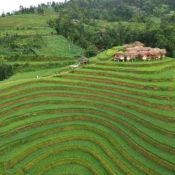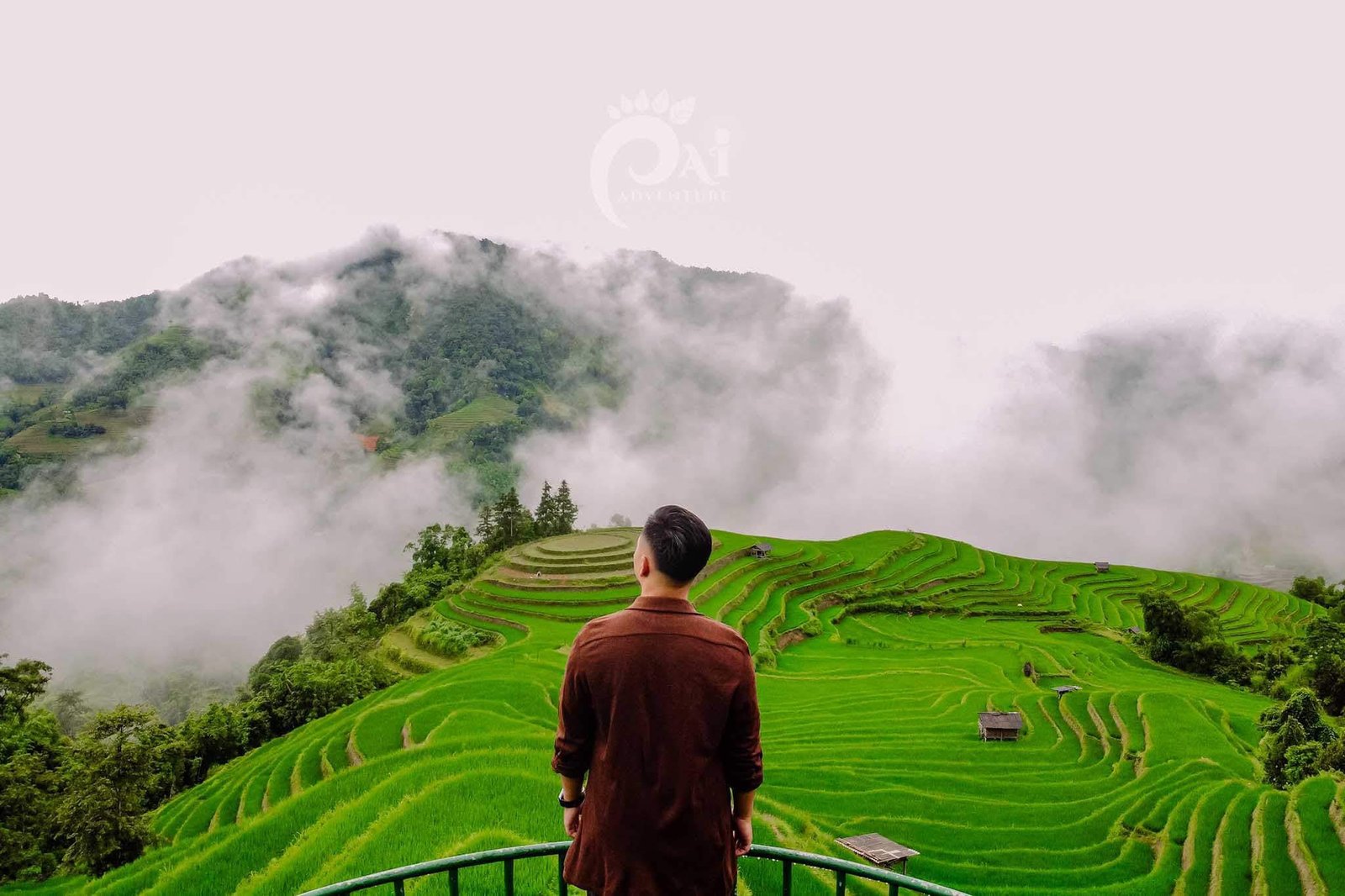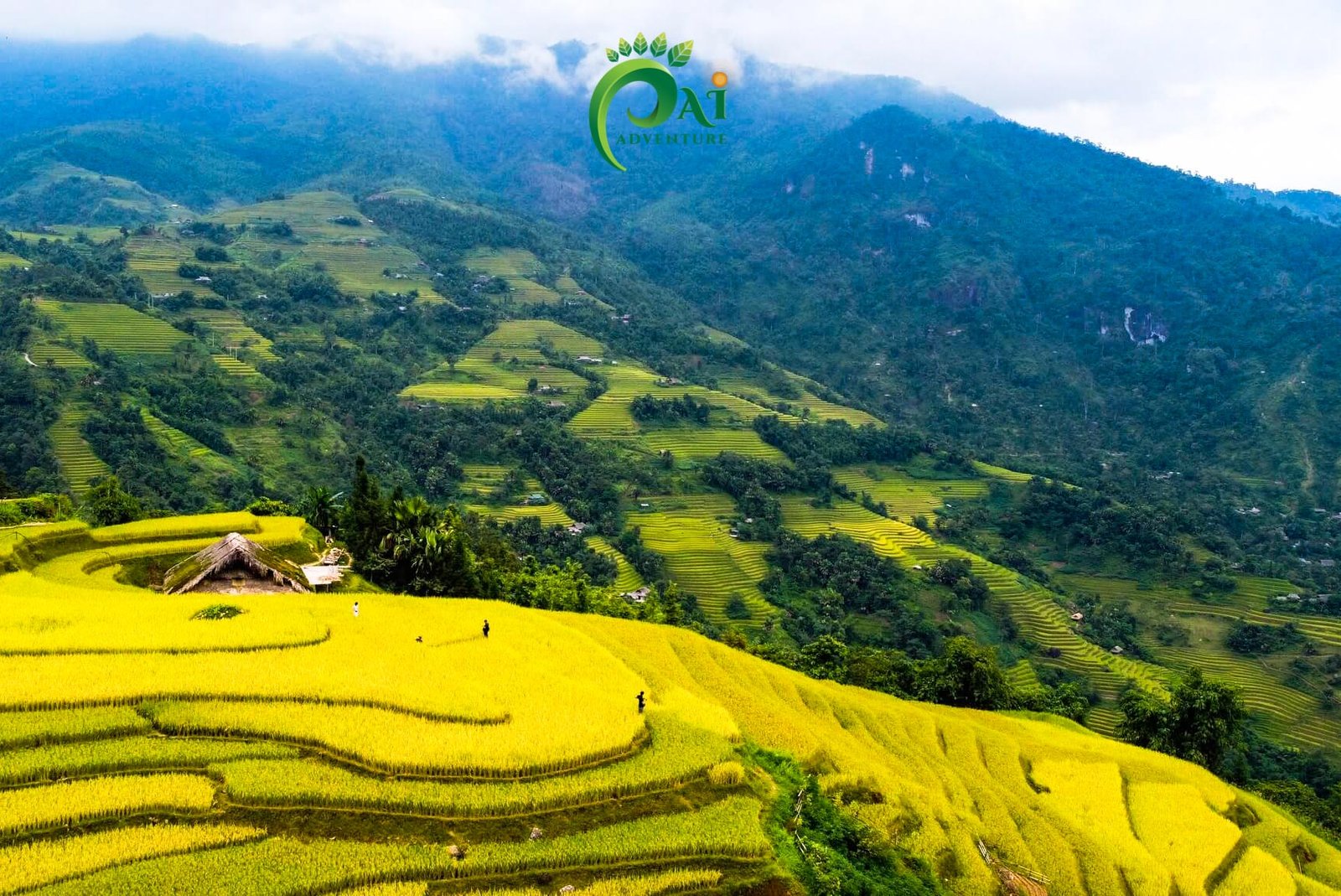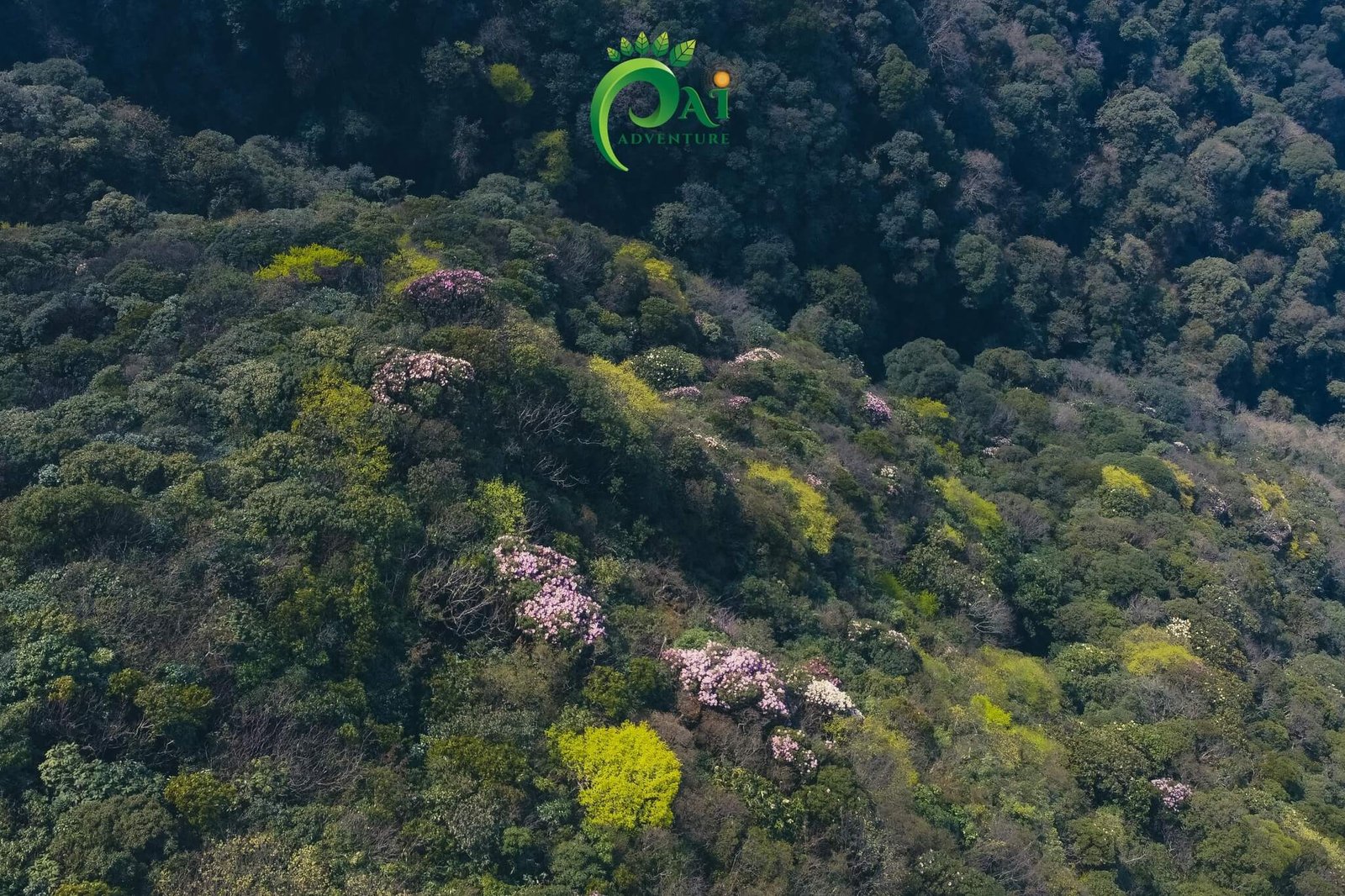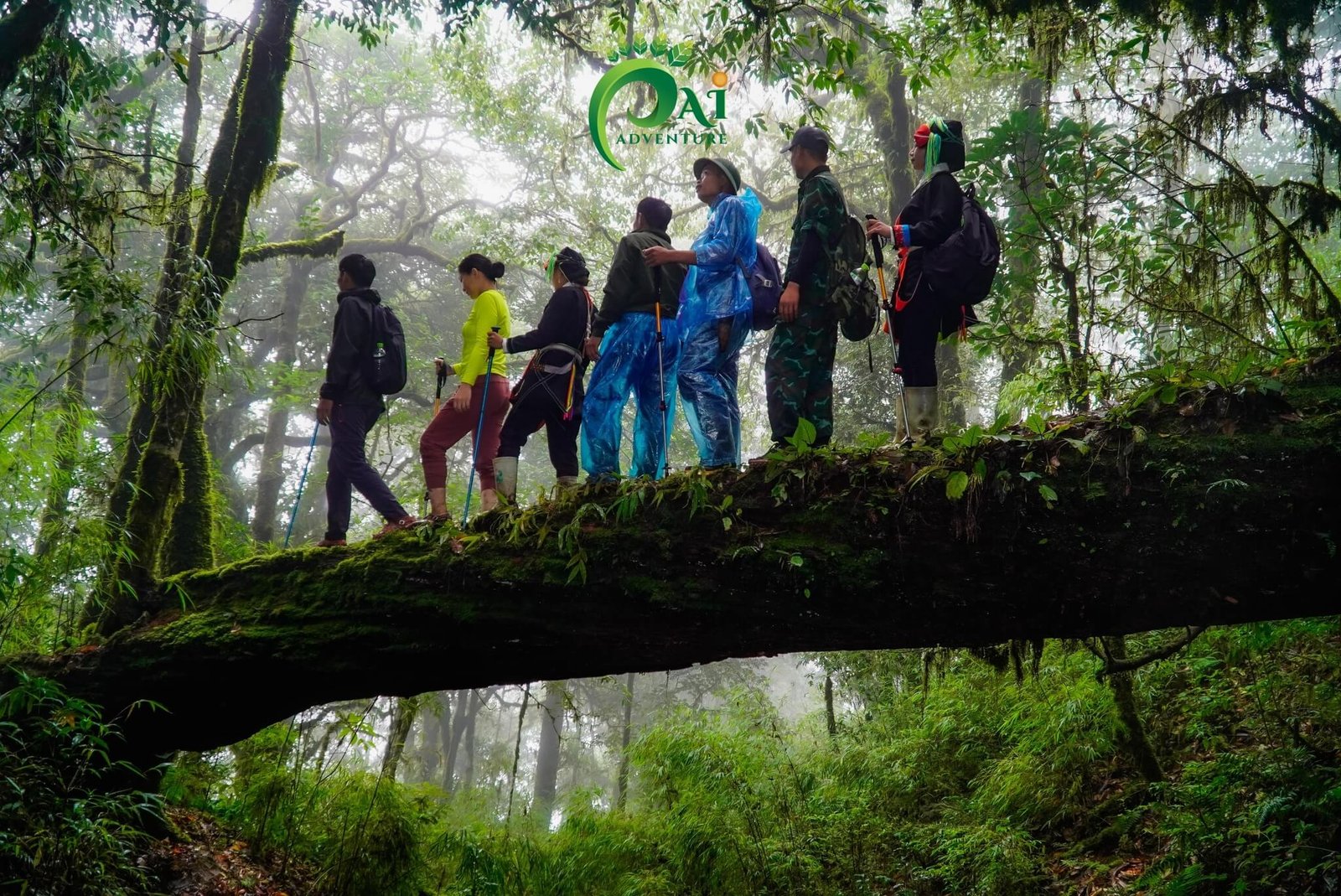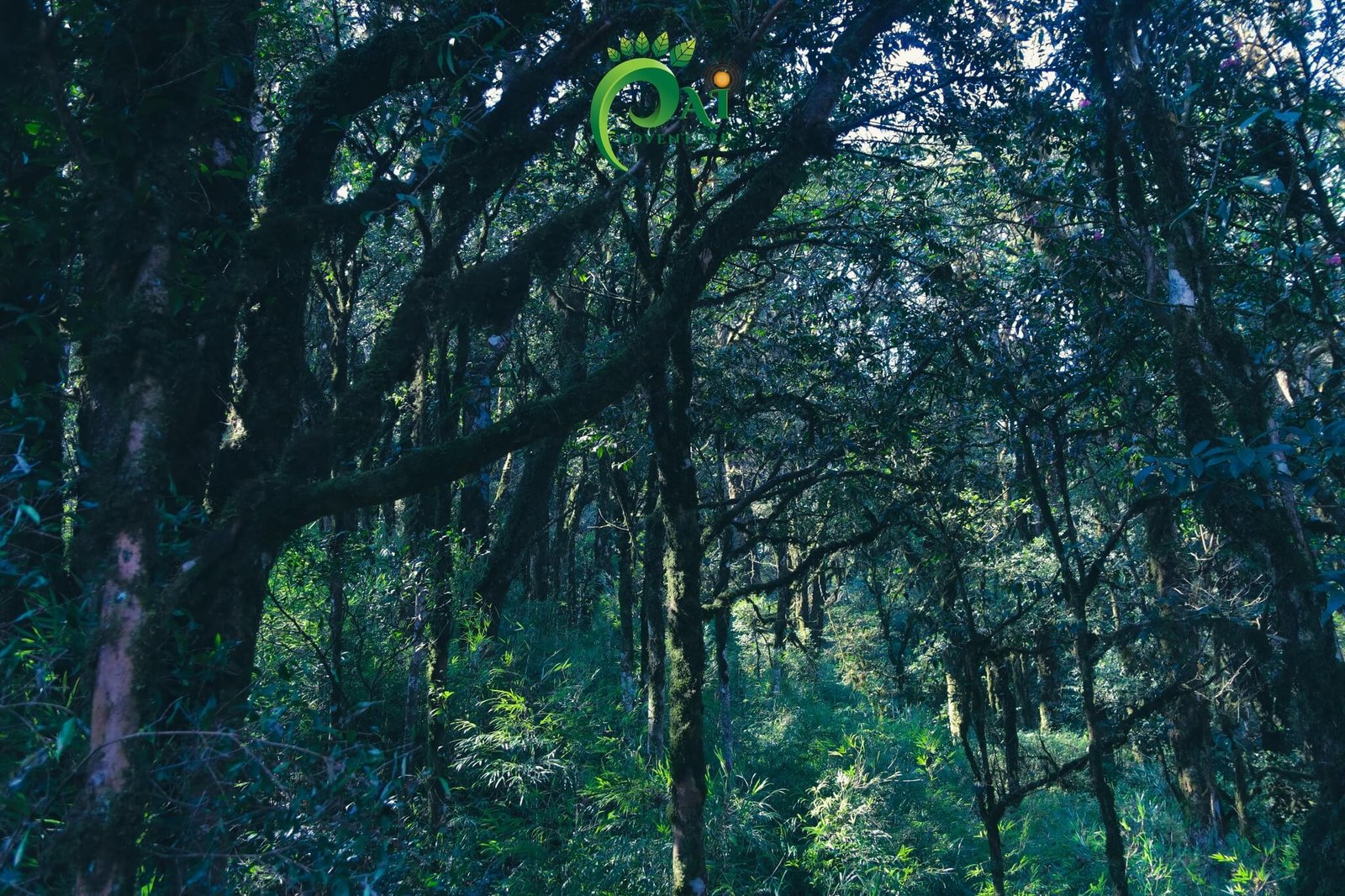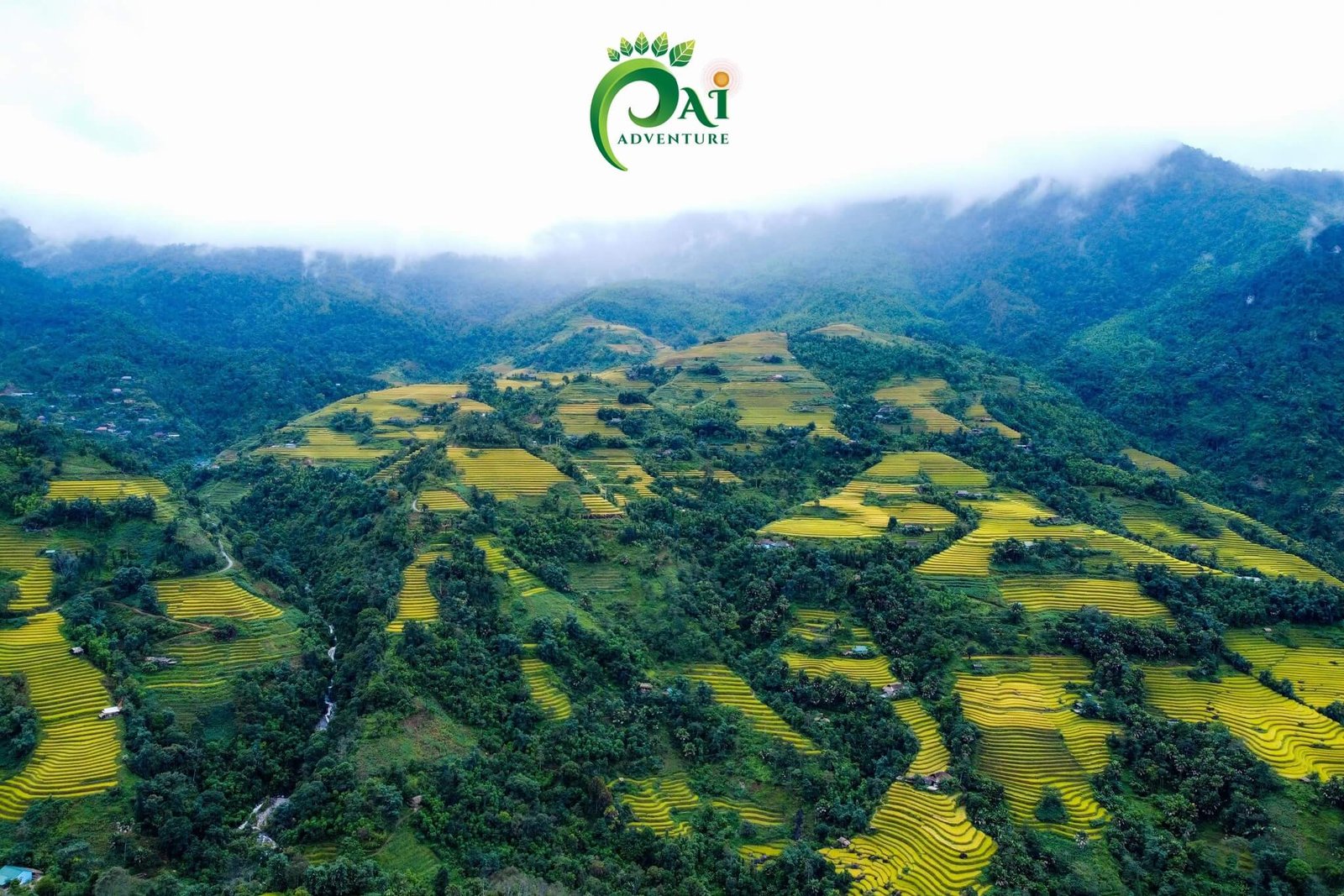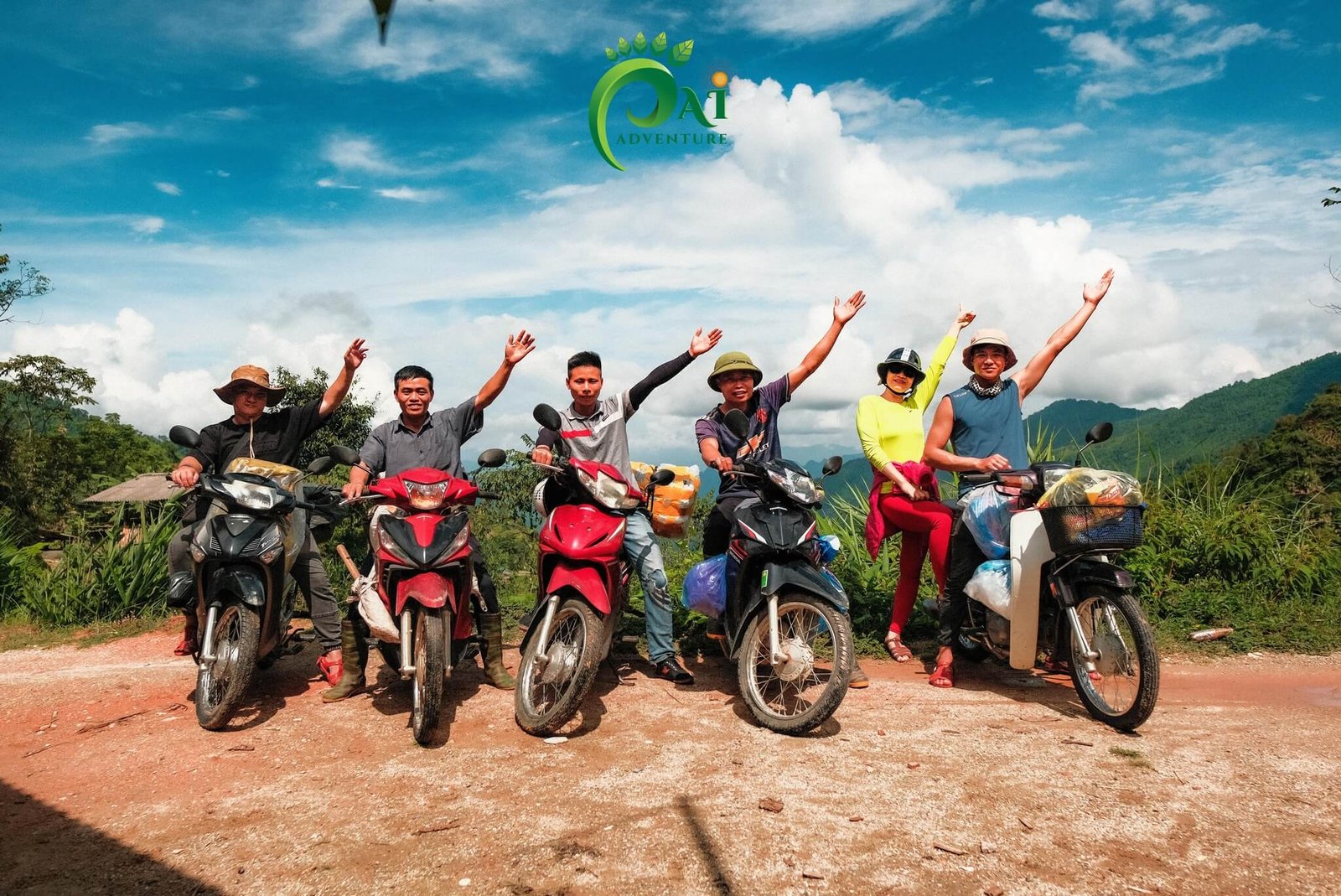

Yes, Dong Van Karst Plateau is worth visiting in August if you want to see Ha Giang at its greenest and do not mind planning around changeable weather. Grey limestone rises above cultivated valleys, cornfields and rice paddies; cloud can sit low on the ridges after rain, then lift quickly when the light returns.
August is not the best choice for travellers who want a guaranteed blue-sky view at every stop. It is a rewarding month for people who can keep the route flexible, check the forecast each day and treat changing light, cloud and visibility as part of the journey.
What does Dong Van Karst Plateau look like in August?
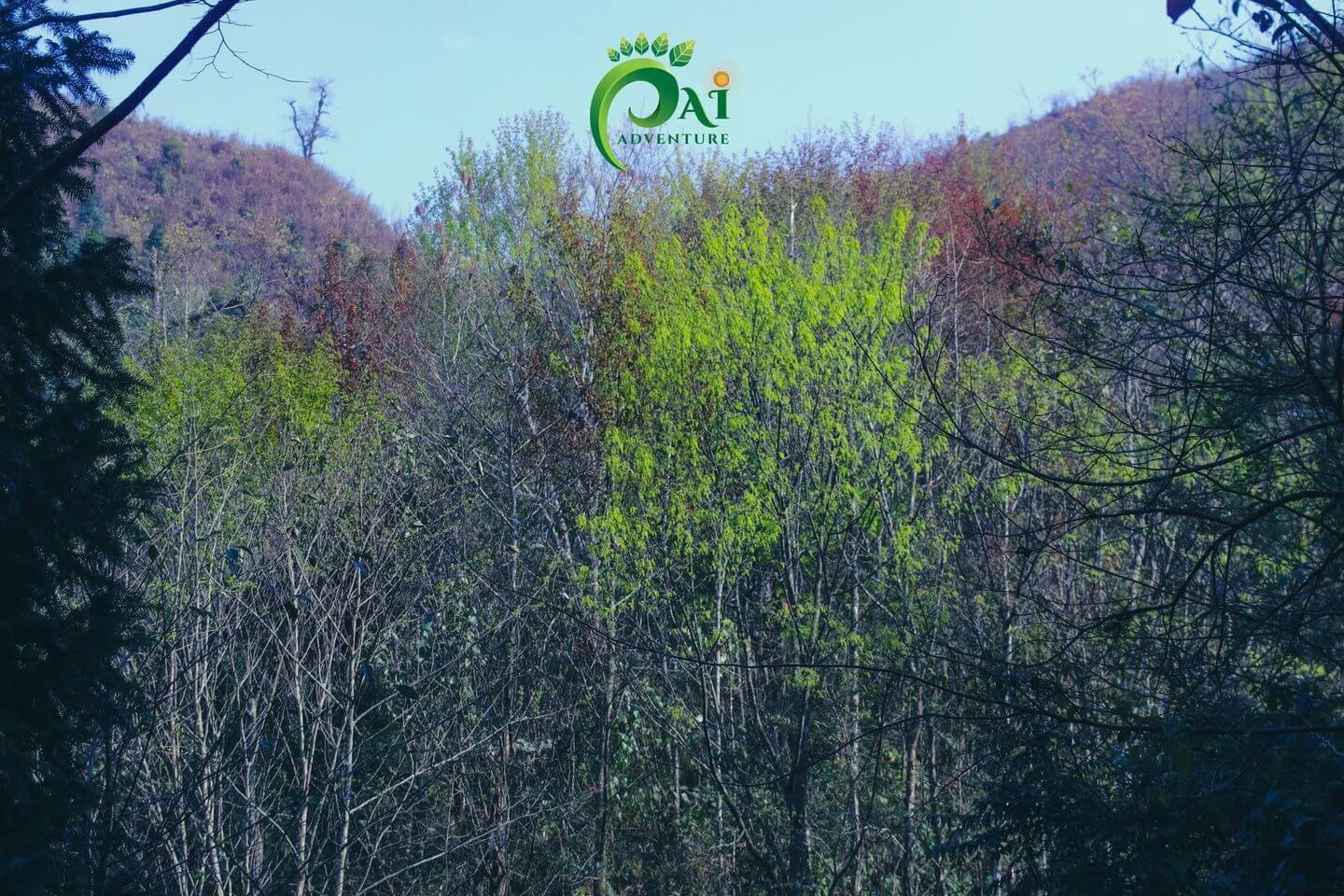
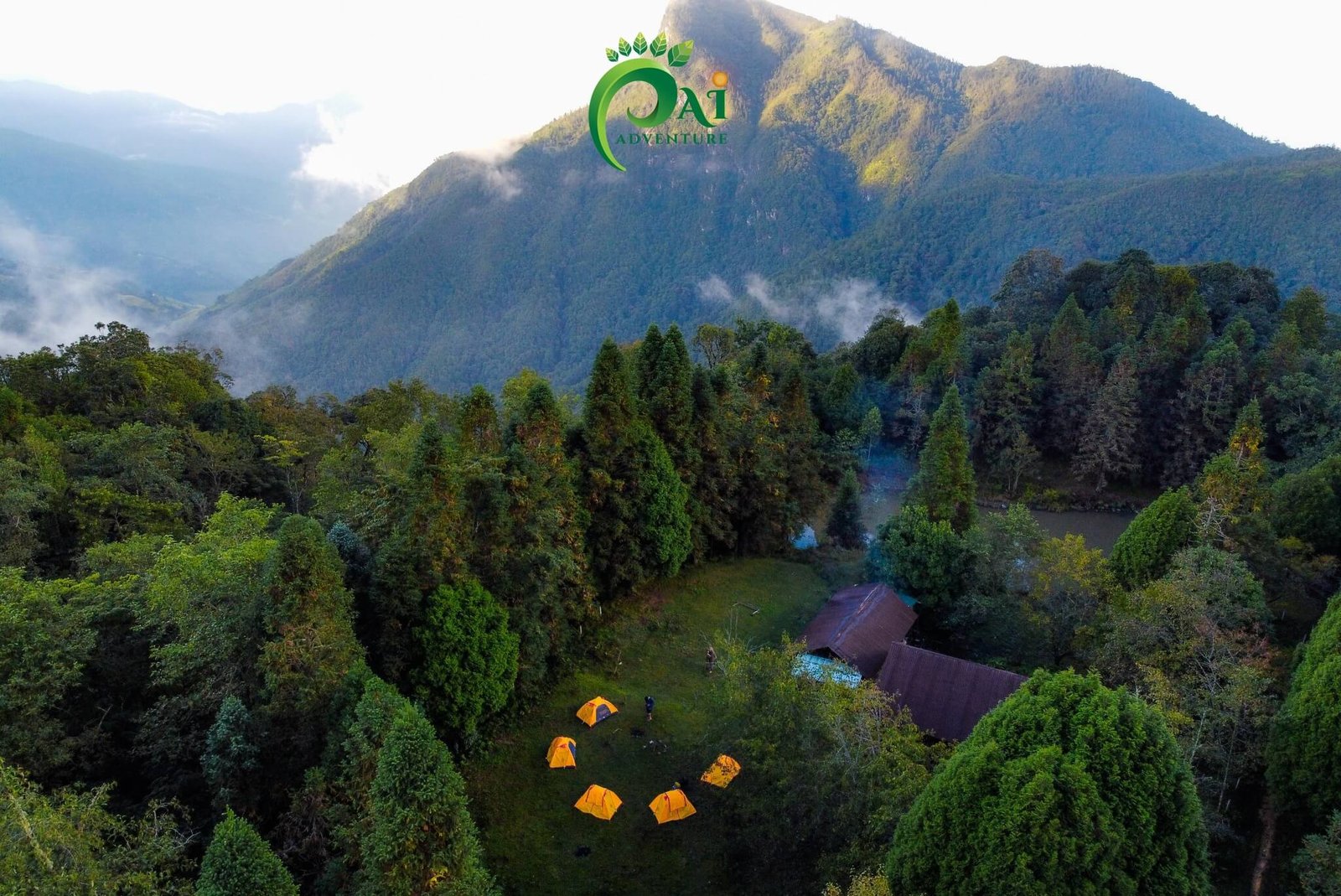
The contrast is the first thing you notice. The limestone retains its sharp, rugged form, while the valleys and cultivated slopes below are full of green. After rain, mist may cling to the peaks. When the sky opens, layers of rock and vegetation can appear within minutes.
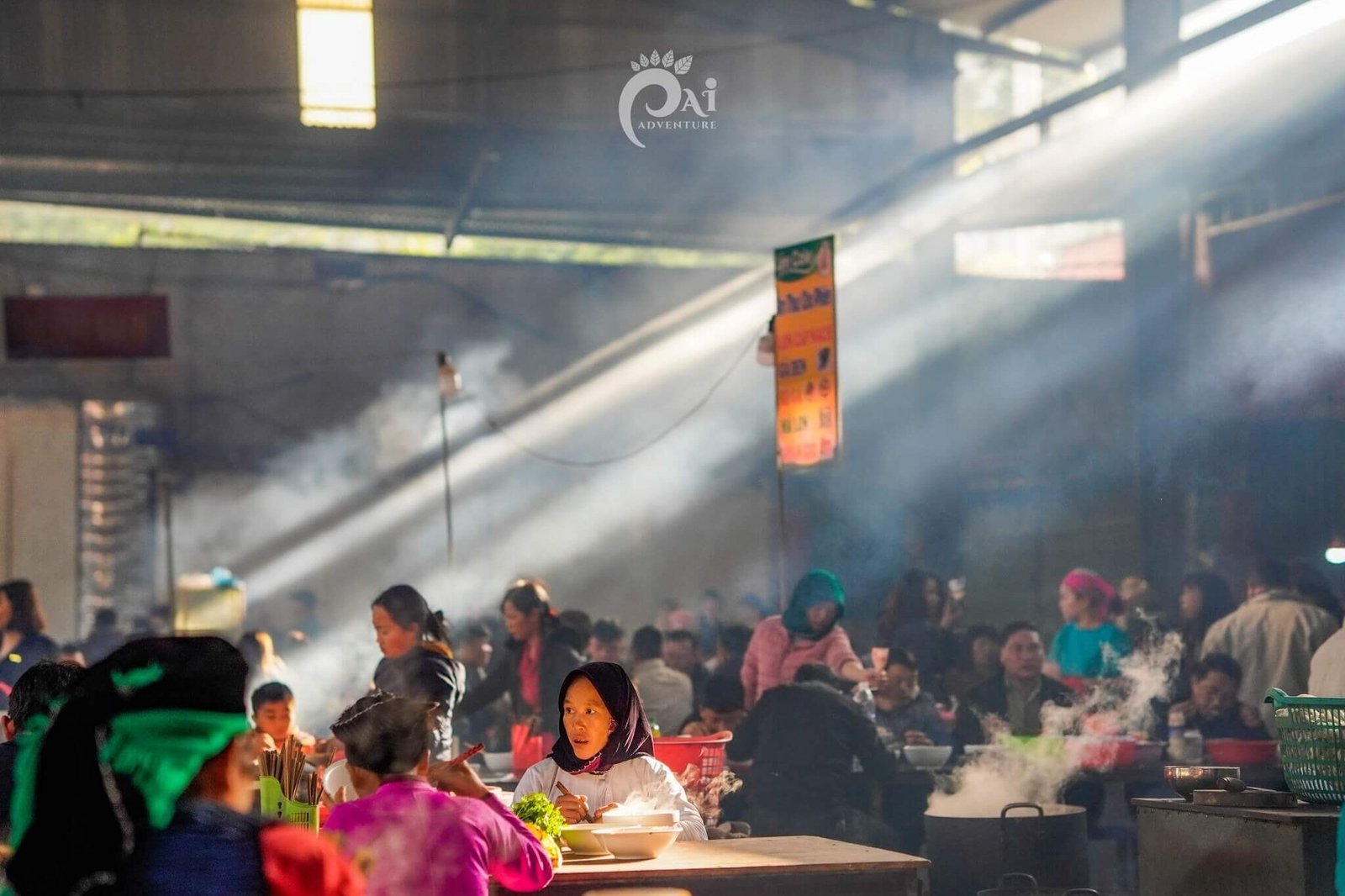
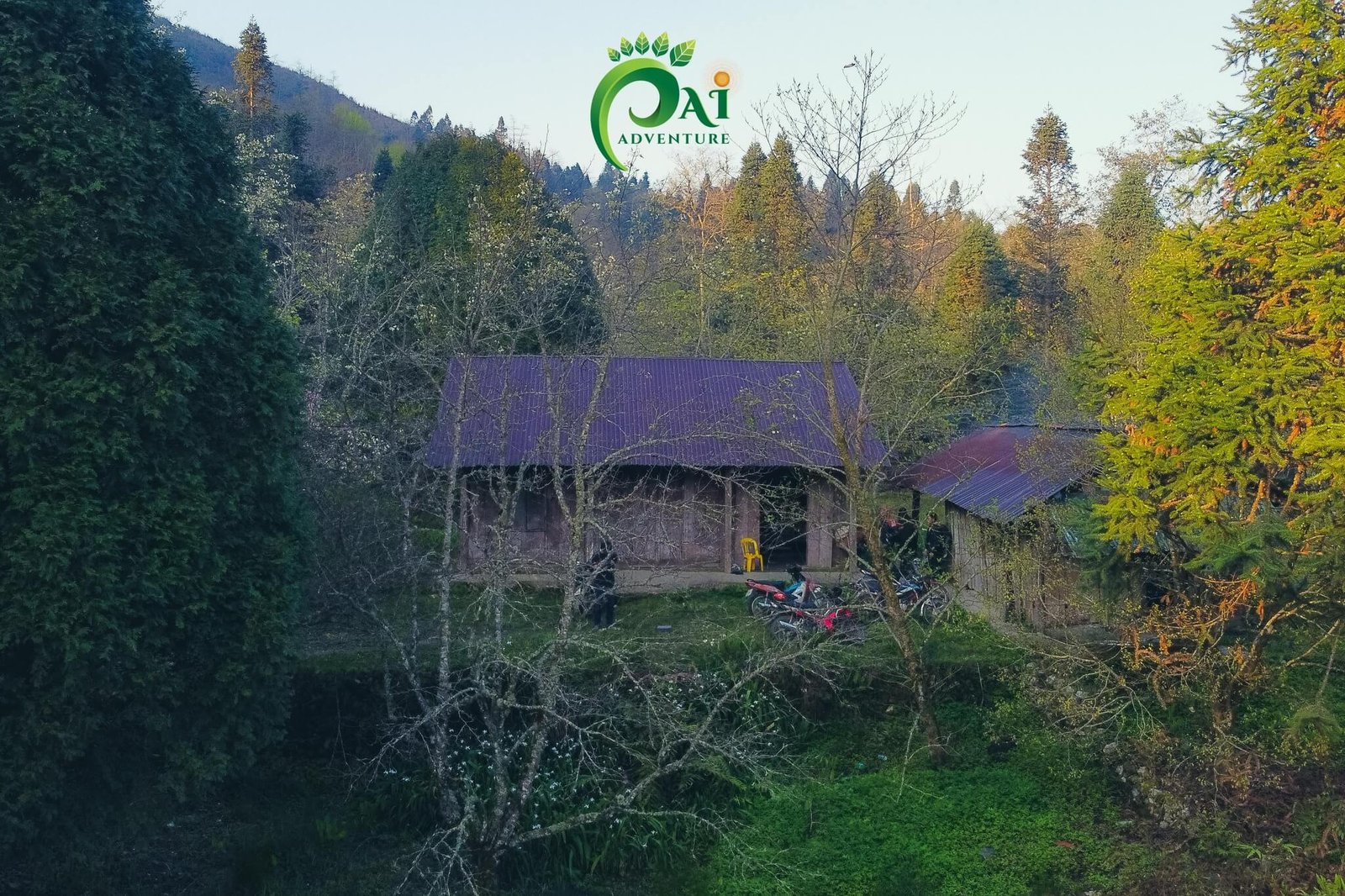
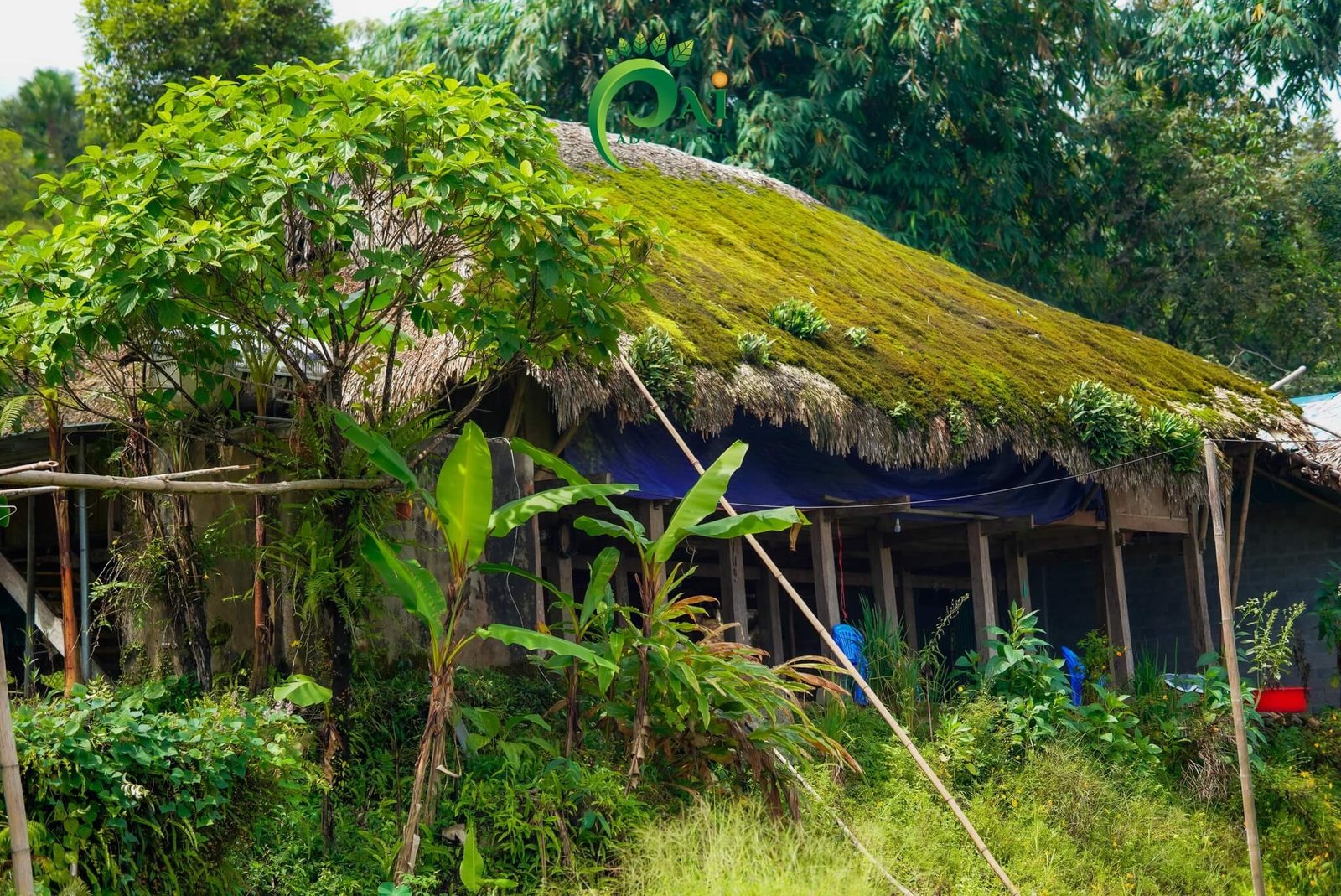
UNESCO describes Dong Van as a globally significant karst landscape and a living cultural area shaped by many ethnic communities. That matters when you plan the trip: the plateau is not only a chain of viewpoints. Villages, markets, traditional houses and everyday agricultural life are part of what makes the route feel complete.
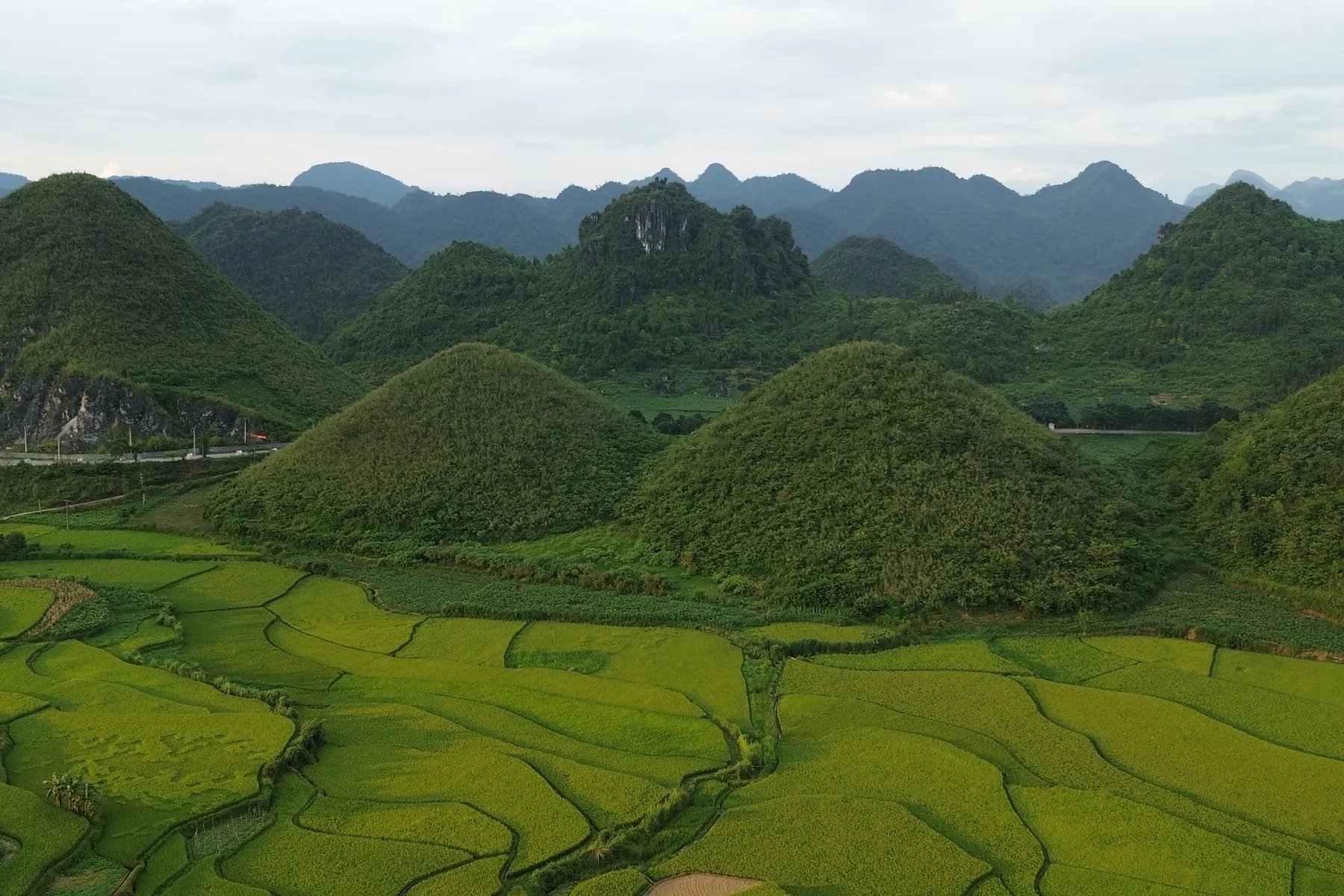
Grey rock, green fields and a sky that keeps changing
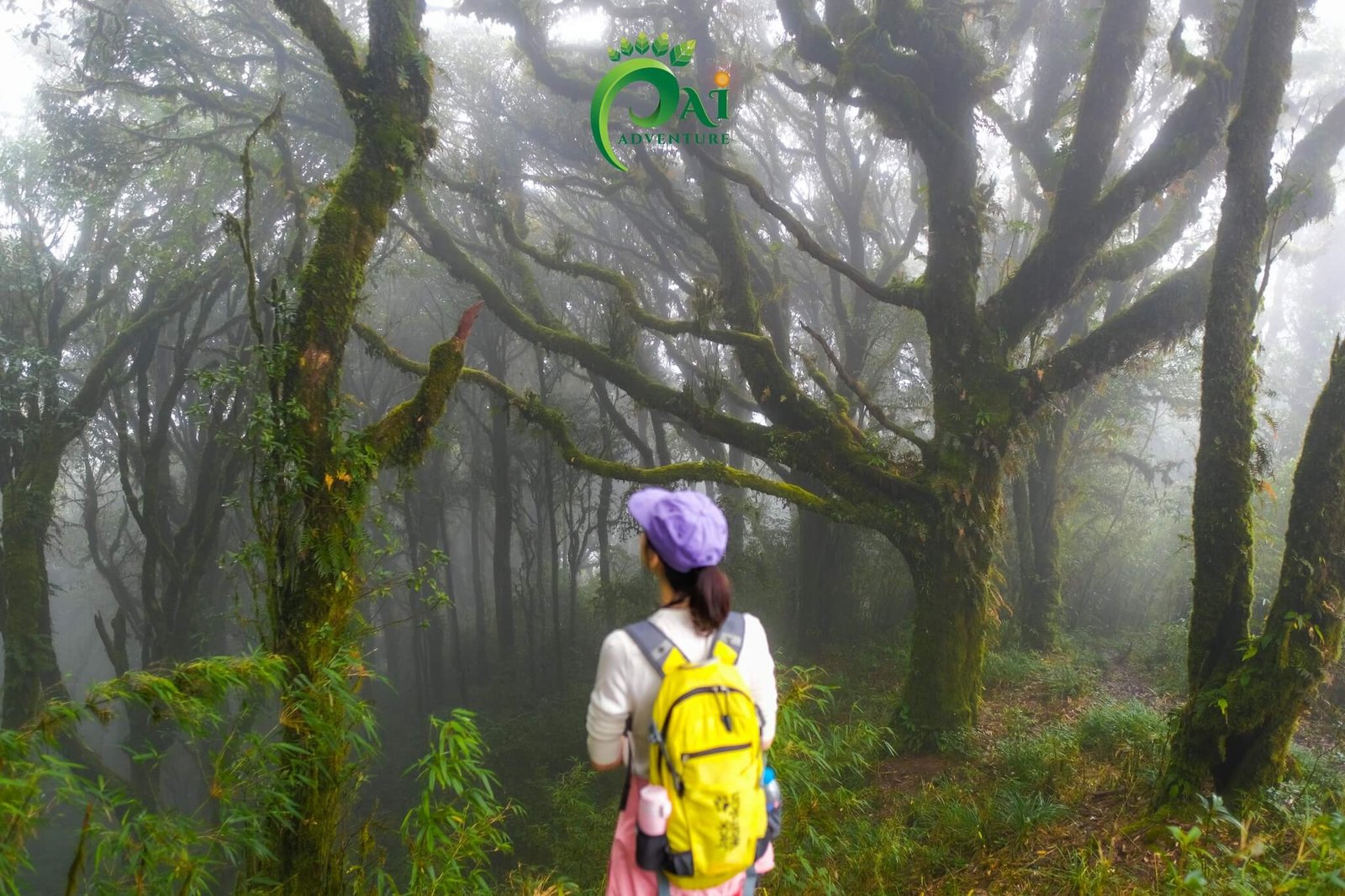
Sun, cloud, mist and rain can all shape the same travel day. This is why August photographs often have so much depth: the nearest ridge is crisp, distant mountains fade into cloud and wet vegetation catches the light. It is also why you should not build the day around one exact photo or assume the view will stay open.
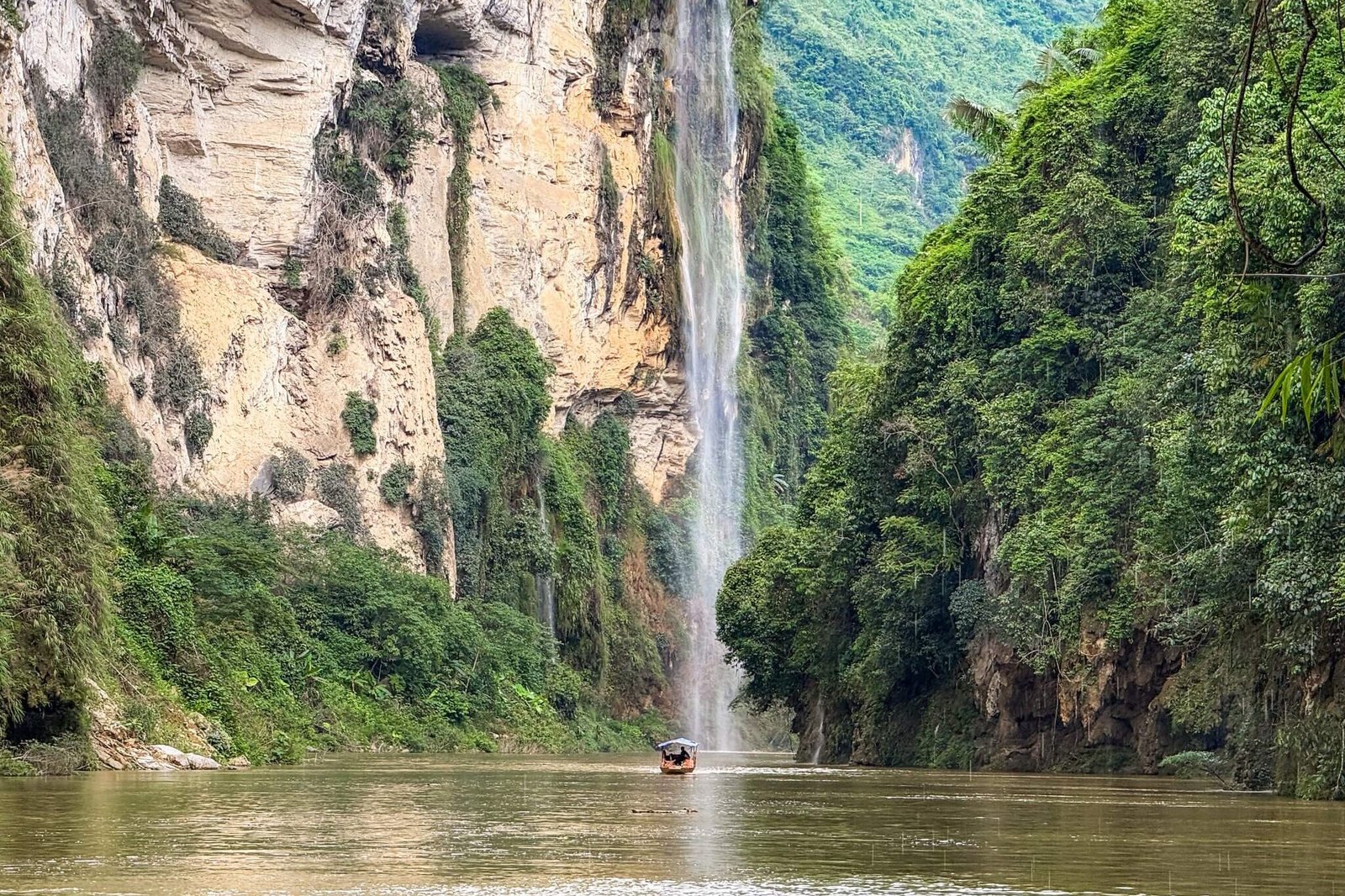
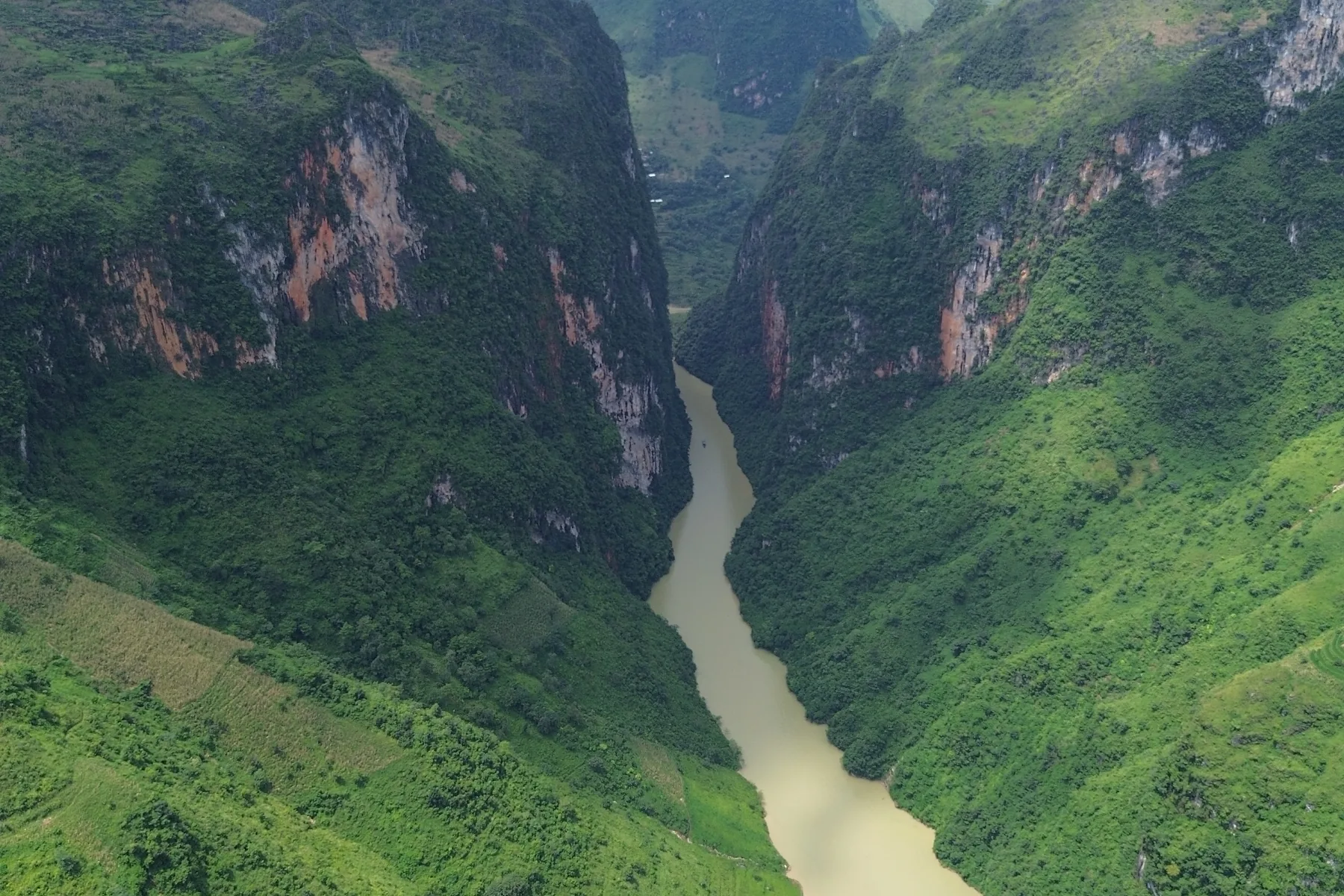
Nho Que River after rain
From the high viewpoints around Ma Pi Leng Pass, the Nho Que River remains one of the most powerful lines in the landscape. After heavy rain, the water may look more turbid and access or river activities may change. Treat the view as something the day reveals, not a fixed promise in the itinerary.
What can you experience on a Dong Van route?
A typical journey moves through several distinct landscapes: the gateway valleys around Quan Ba, forested and cultivated slopes near Yen Minh, denser limestone formations toward Dong Van, then the dramatic descent and canyon views around Ma Pi Leng and Meo Vac.
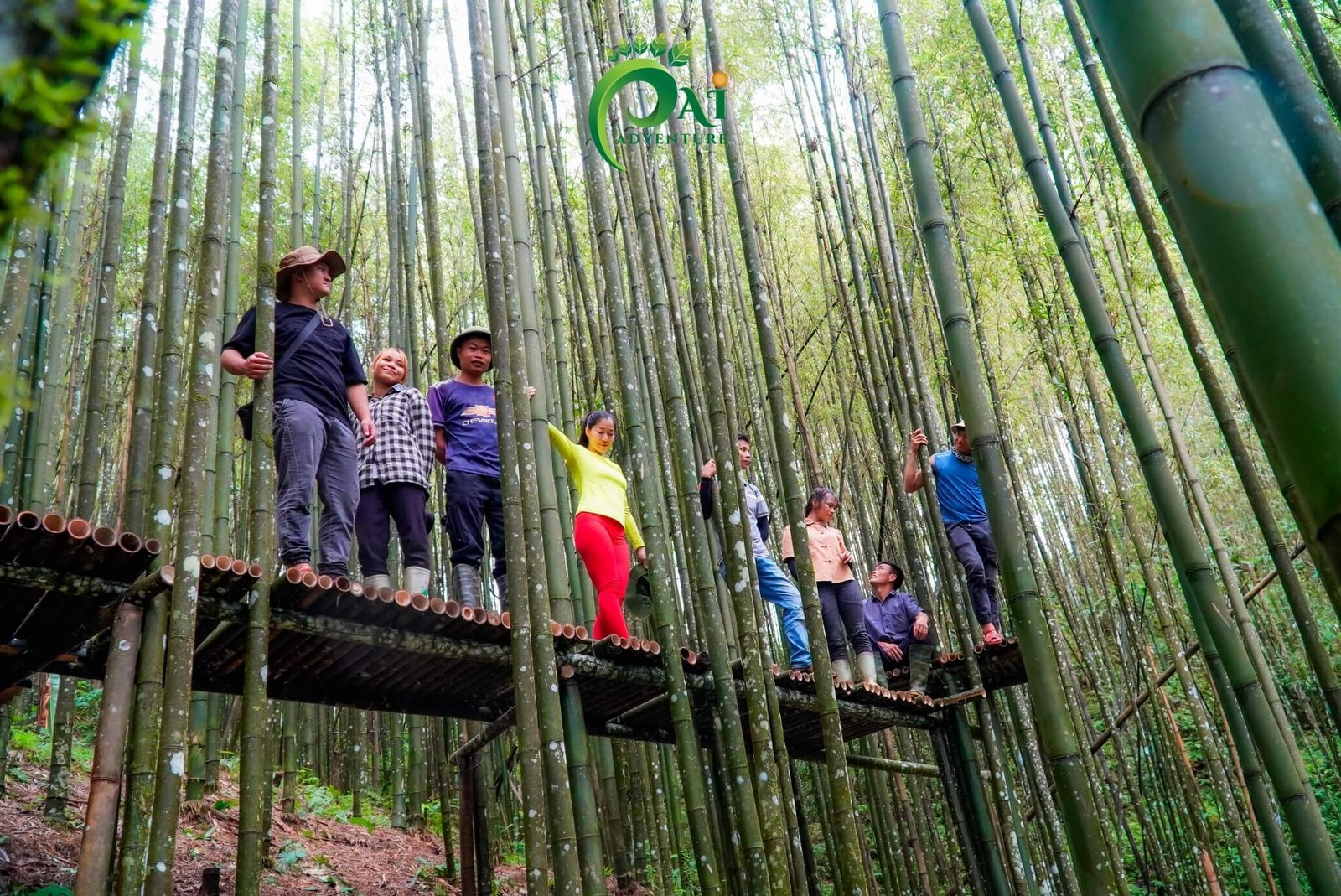
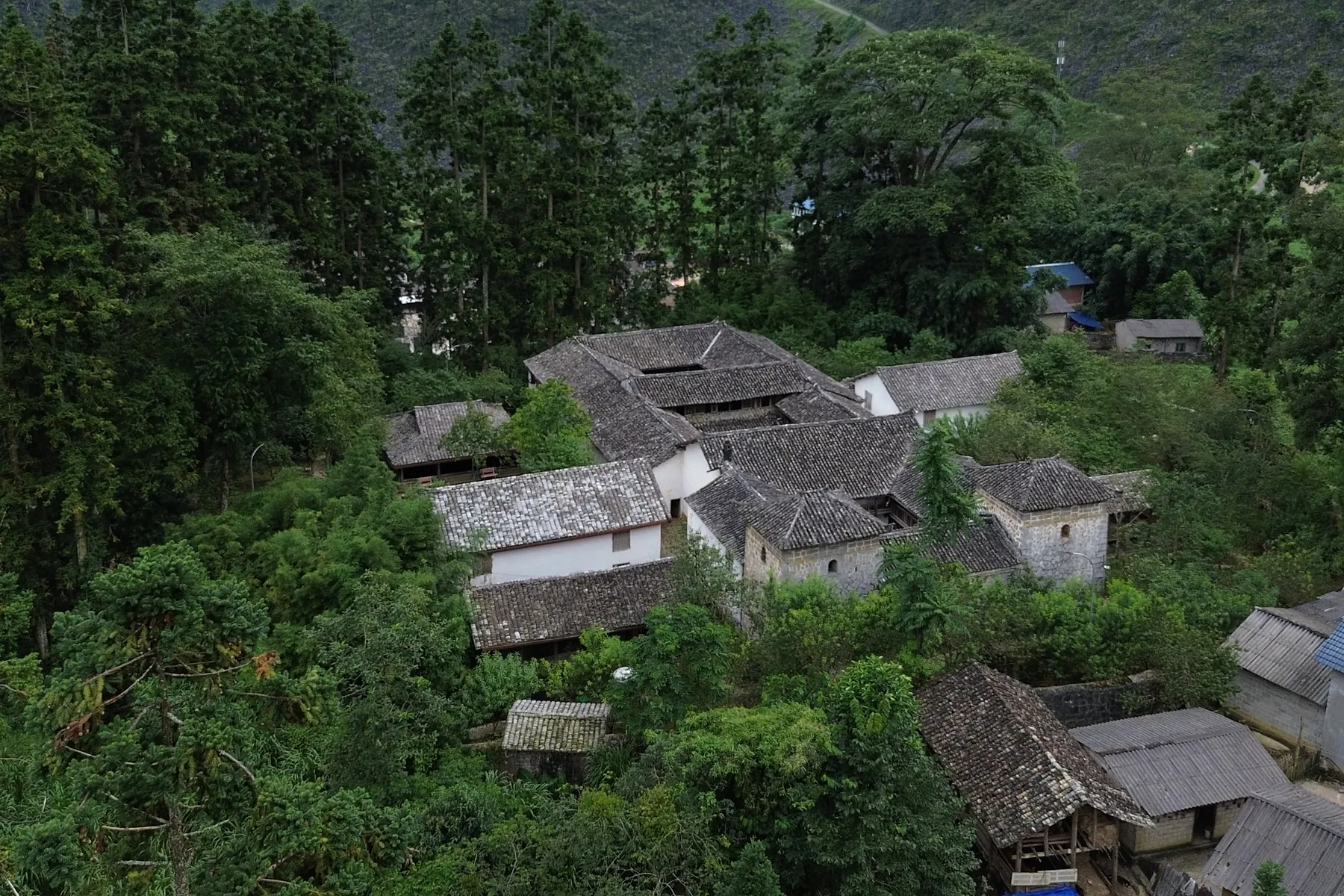
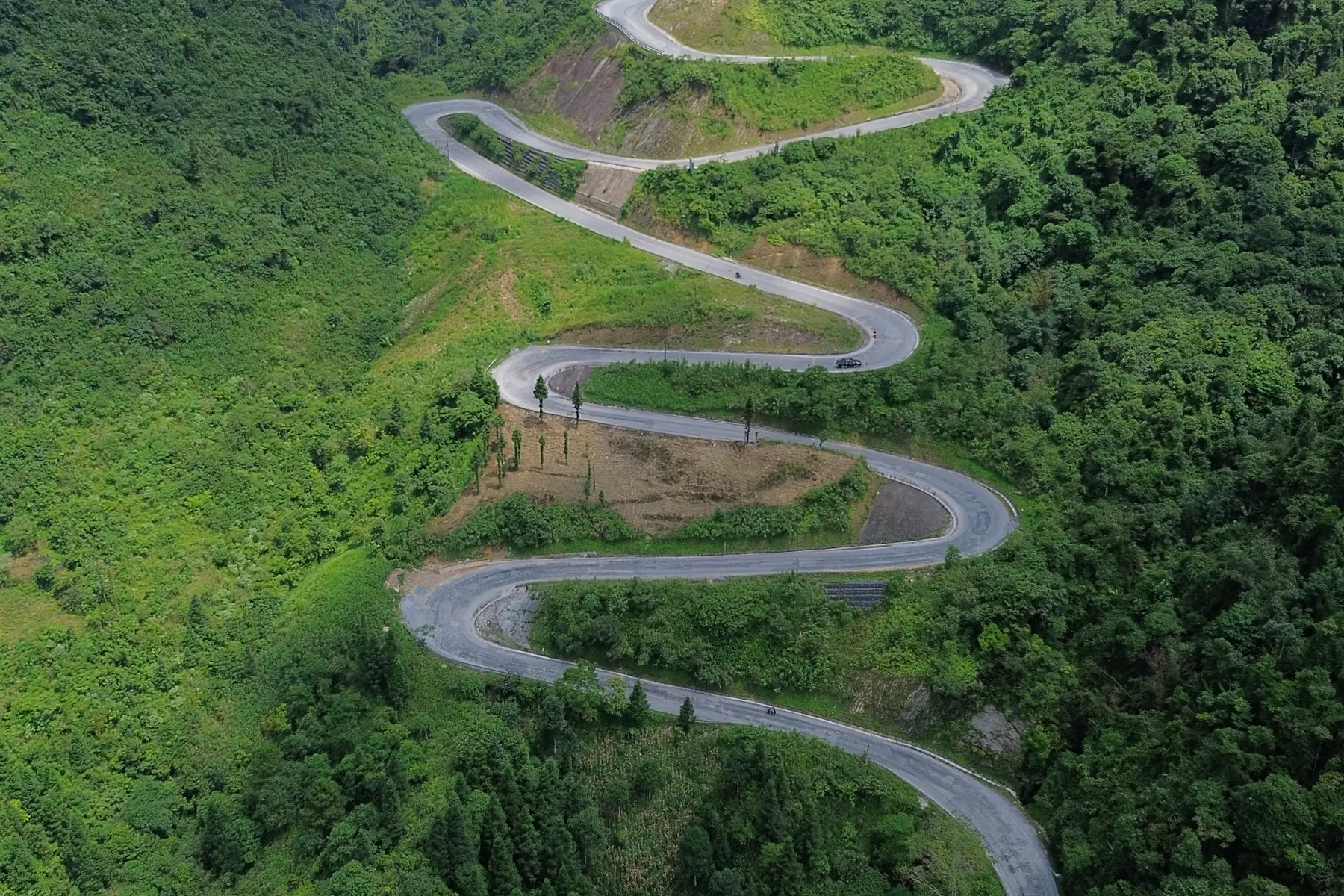
The experience is not simply a checklist of landmarks. The road itself shows how the plateau changes: broader valleys first, more exposed rock later, houses tucked into steep terrain, then the deep Nho Que basin below. Time in Dong Van Old Quarter, a local market when your dates align, or a village stop gives the journey a human scale.
Is 2D1N or 3D2N better?
2D1N: best for one clear priority
Two days and one night work well when you are already in Dong Van or Meo Vac and want to concentrate on a smaller area. A focused 2D1N Dong Van Karst Plateau hiking trip can prioritise Ma Pi Leng, the Nho Que basin, villages and walking routes without trying to cover the full loop from Ha Giang City.
If you need to start and finish in Ha Giang City, 2D1N can feel rushed, particularly when rain or fog requires a slower pace. In August, spare time in the schedule is more useful than another hurried stop.
3D2N: a more balanced first trip
Three days and two nights divide the road more comfortably, allow overnight stops around Dong Van and Meo Vac, and leave more room to adjust one part of the day. For a first visit that includes the best-known parts of the plateau, a 3D2N Ha Giang Loop is usually the more balanced choice.
If you want longer hikes, slower village time or frequent photography stops, add a day rather than extending the hours you spend on the road.
Self-drive, Easy Rider or car?
Self-drive motorbike
This suits travellers with real mountain-road experience, good control on wet surfaces and the correct licence for the motorcycle they use. August is not the month to use Dong Van as your first technical riding lesson.
Easy Rider
An Easy Rider keeps the open-air motorbike experience while placing the riding in local hands. It suits travellers who want to watch the landscape rather than concentrate on every bend, or who are not confident about steep roads and changing weather.
Car
A car works well for families, travellers who tire easily on a motorbike and groups prioritising comfort in wet weather. It reaches most major viewpoints and towns on the plateau, although the experience is less open and some small roadside stops are less flexible.
When should rainy-season weather change the plan?
Treat an August itinerary as a framework rather than a fixed timetable. Check the Vietnam National Center for Hydro-Meteorological Forecasting before the trip and each morning, then compare that forecast with local information close to departure time.
Delay, shorten or reroute the day when:
- Heavy rain continues or official flash-flood and landslide warnings are active.
- Dense fog significantly reduces visibility on a pass.
- Water crosses the road, fresh debris appears or authorities have placed a barrier.
- The group is tired and still has a long distance to cover before dark.
Never cross a closed section and do not protect a sightseeing checklist at the expense of safety. Removing one stop and arriving early can be the best decision of the day. For more detail, read Pai’s rainy-season safety guide for Ha Giang.
What should you pack for August?
- A compact rain layer that is quick to put on.
- A light warm layer and quick-drying clothes.
- Shoes with reliable grip and a spare pair of socks.
- Waterproof pouches for your phone, passport and electronics.
- Personal medication, a power bank and charging cable.
- Your passport, the correct driving documents if self-riding and some cash.
A compact bag is easier to manage than packing for every possible scenario. Separate wet and dry items and keep your rain layer where you can reach it without unpacking.
Frequently asked questions
Is August buckwheat flower season in Dong Van?
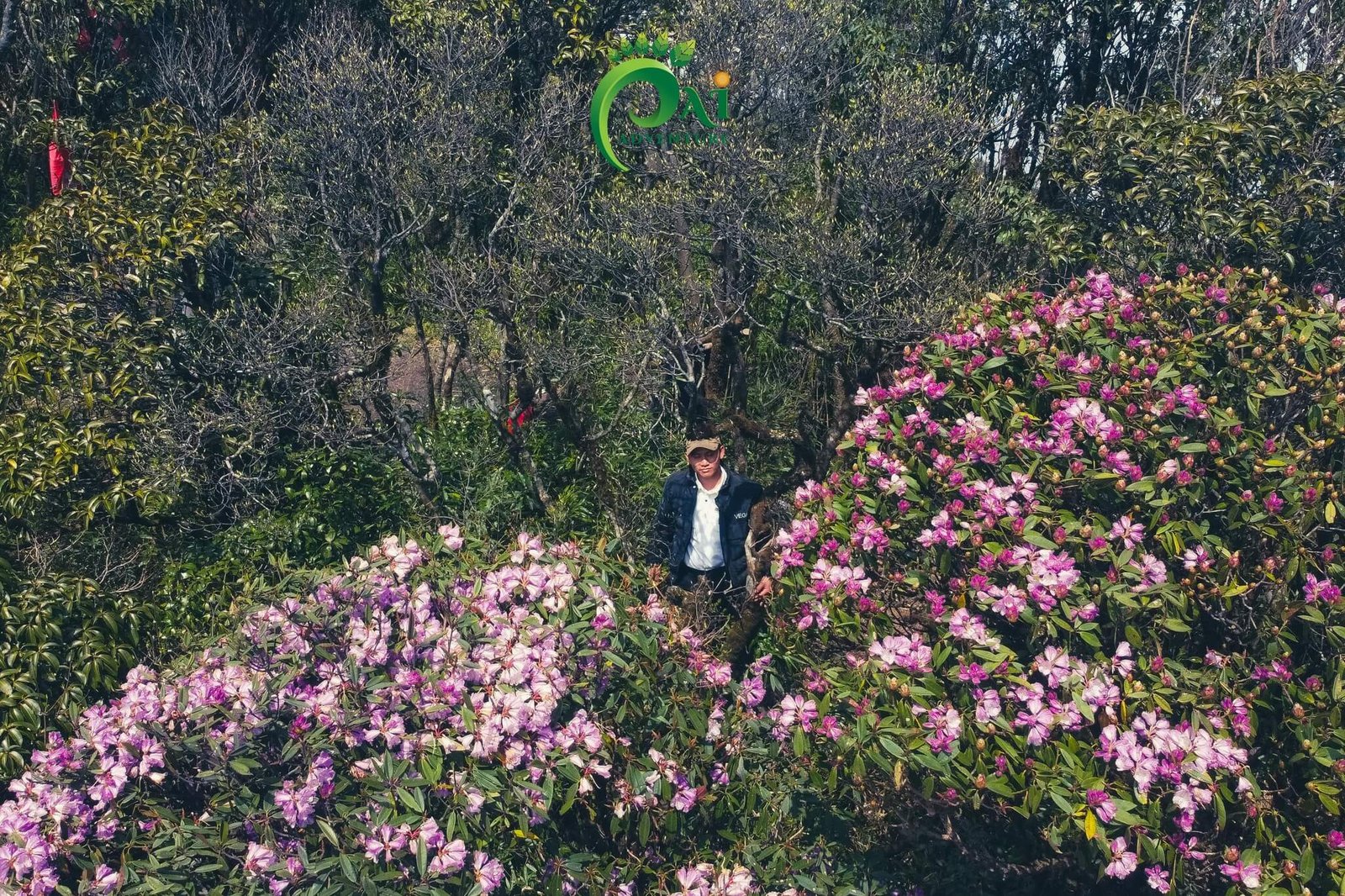
Do not choose August mainly for buckwheat flowers. The month is better known for green cultivated valleys, cloud, post-rain light and the contrast between vegetation and limestone.
Can I still see Nho Que River in August?
You can see the river from high viewpoints when visibility is open. Water colour, river activities and access can change after rain, so confirm conditions near your travel date.
Is August suitable for a first Ha Giang trip?
Yes, provided you keep the itinerary flexible and choose transport that matches your experience. If you are not confident on mountain roads, consider an Easy Rider, a car or a local guide.
Is 2D1N enough?
It is enough for a focused Dong Van or Meo Vac experience, especially if you are already in the area. For a more relaxed loop from Ha Giang City, 3D2N is the better starting point.
There is no single version of Dong Van in August
The same road can begin under cloud, open into sunlight at midday and turn wet again in the afternoon. That movement is part of the appeal. In August, Dong Van’s limestone does not stand alone; it rises through green fields, villages, river valleys and a sky that keeps reshaping the view.
Tell Pai how many days you have and how you would like to travel, and we will suggest a Dong Van route that fits. Close to departure, the team can help you review the weather, transport choice and daily pace before the journey begins.