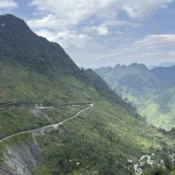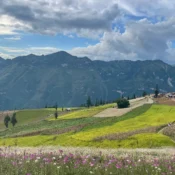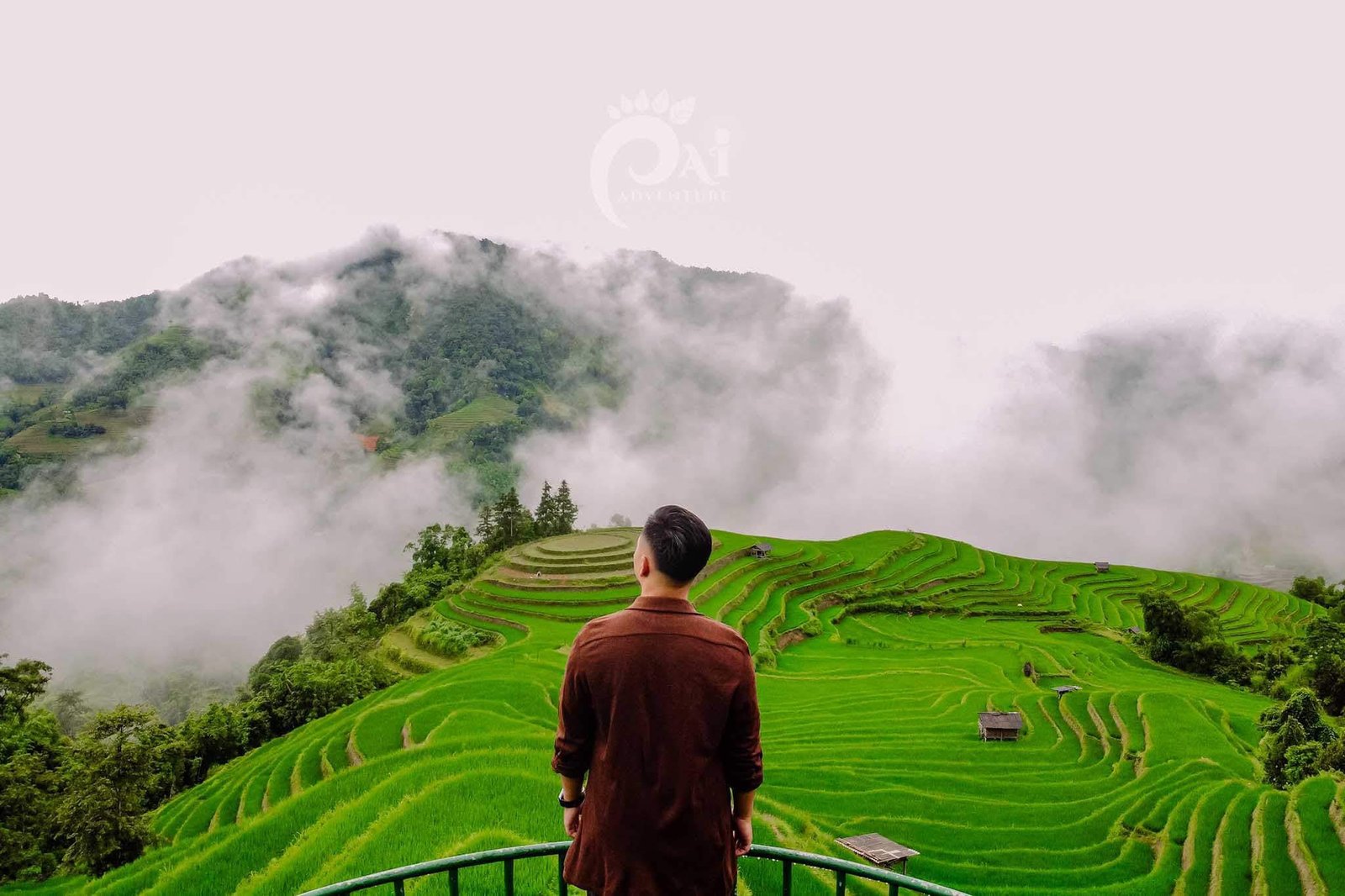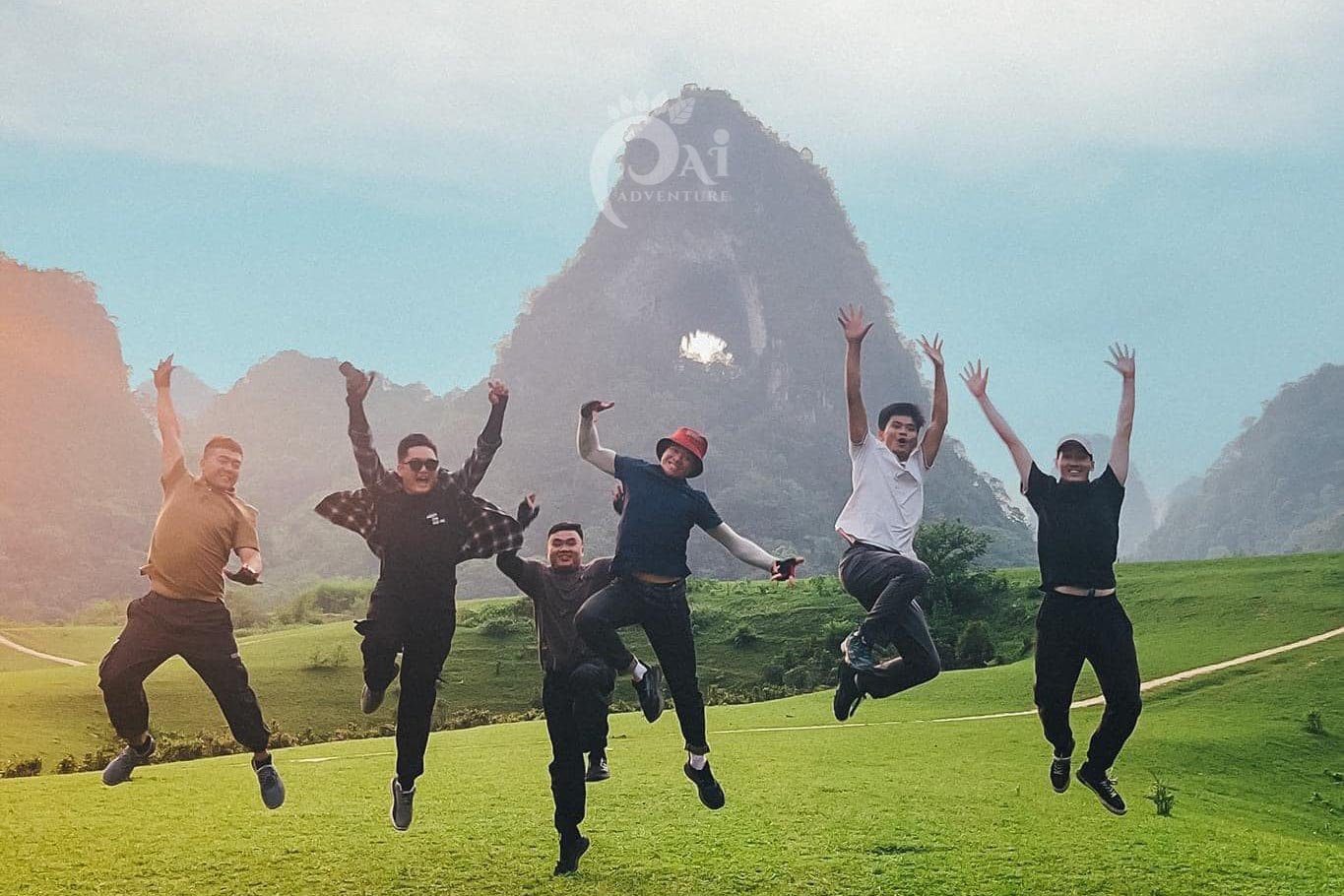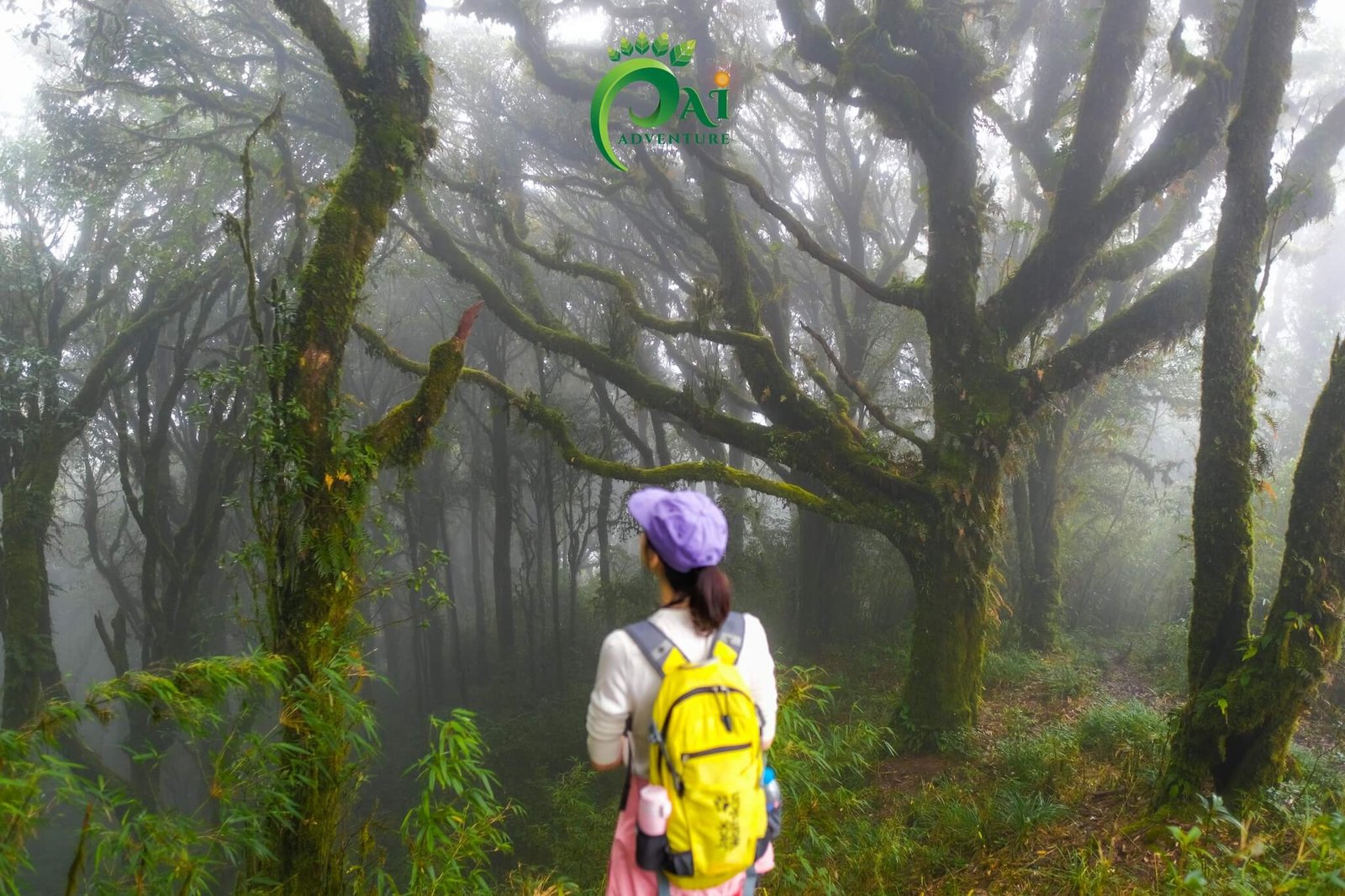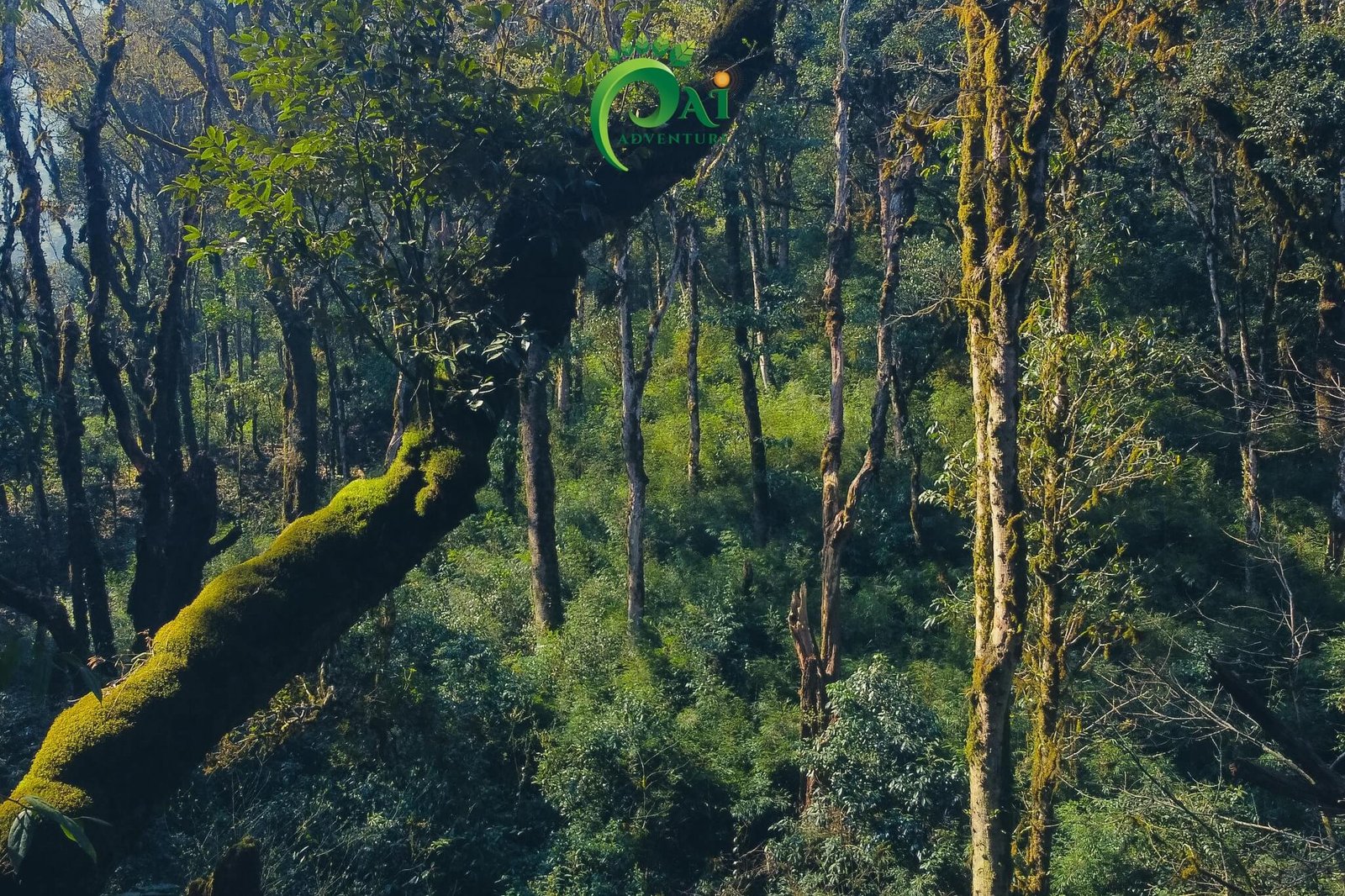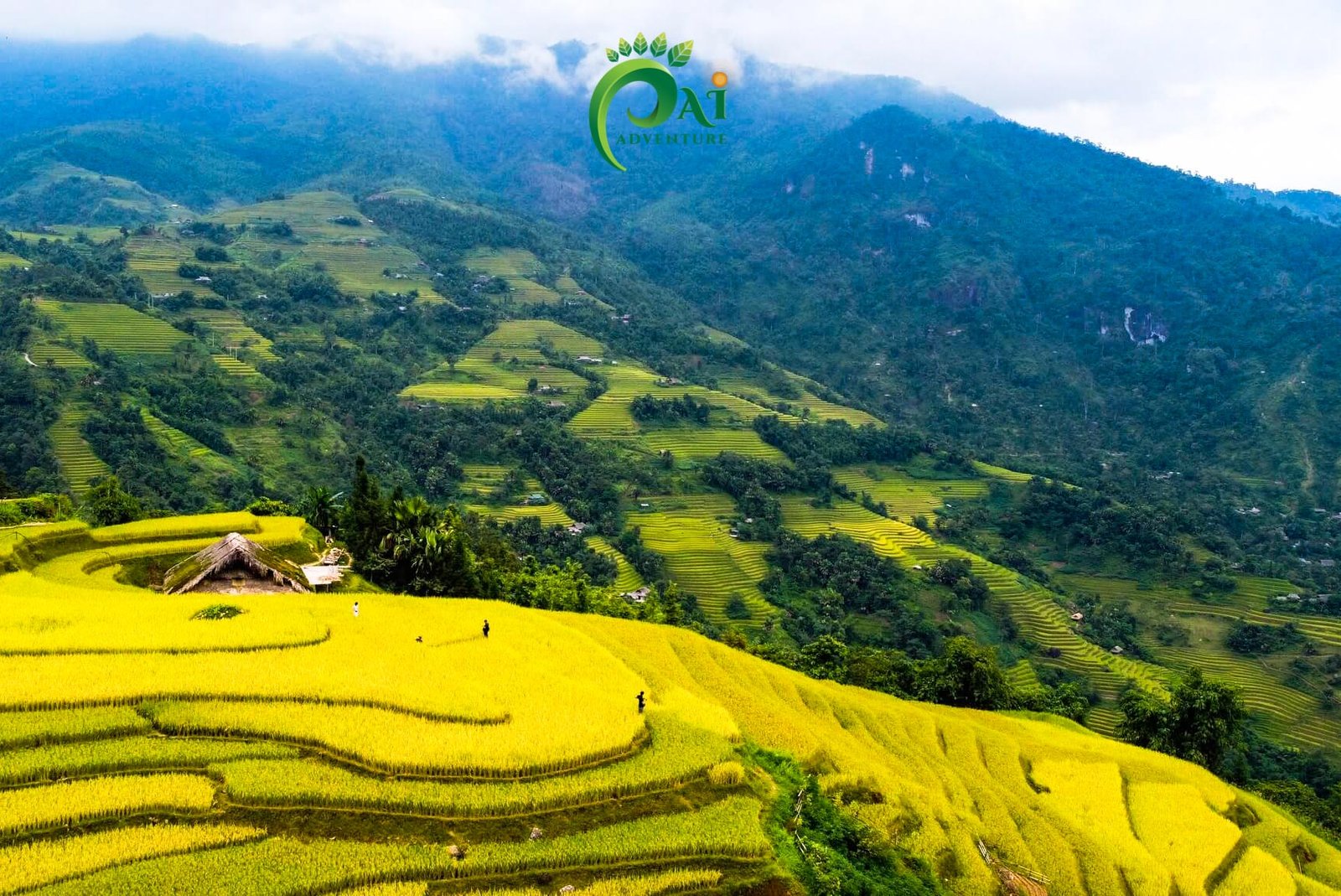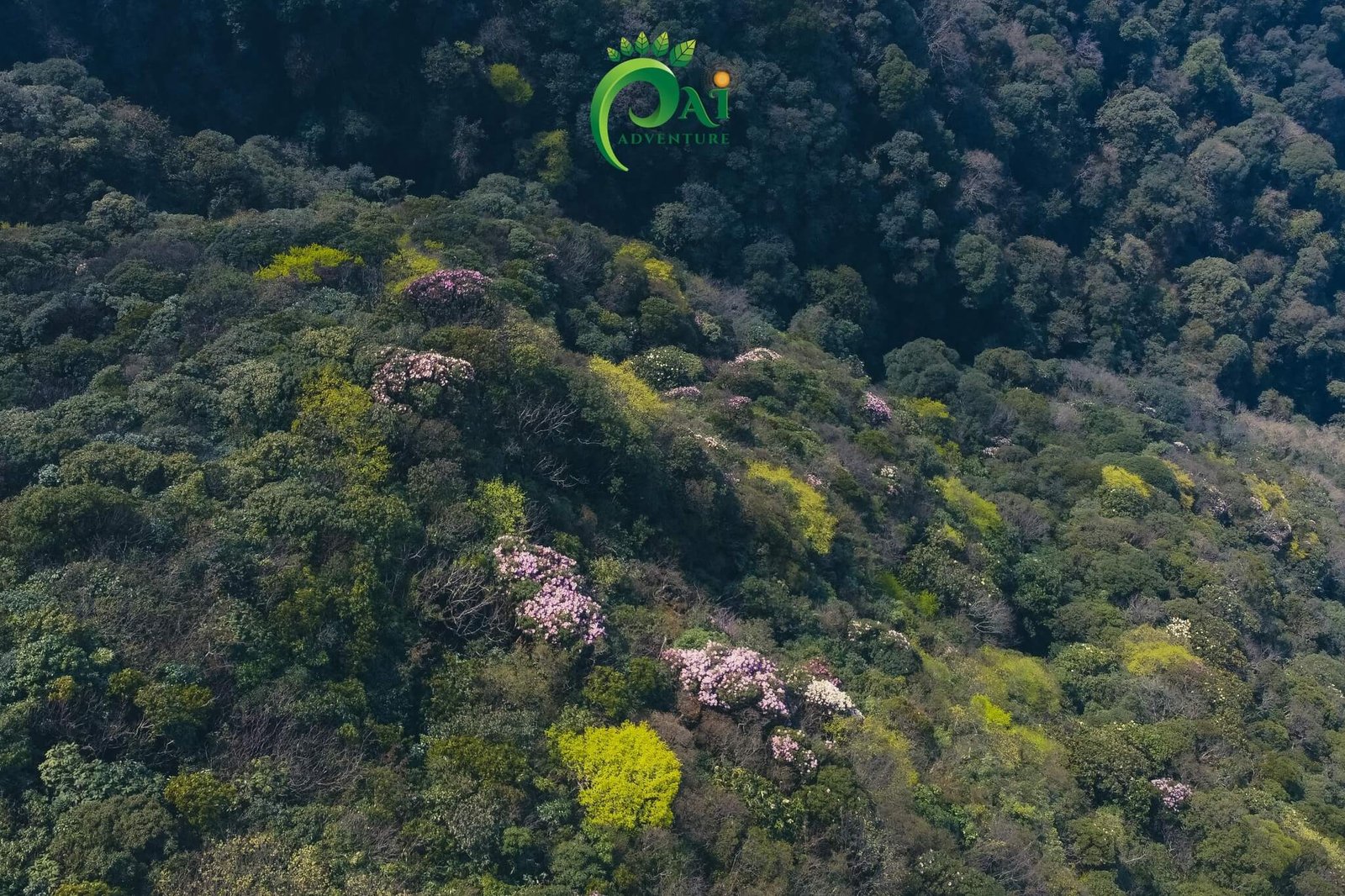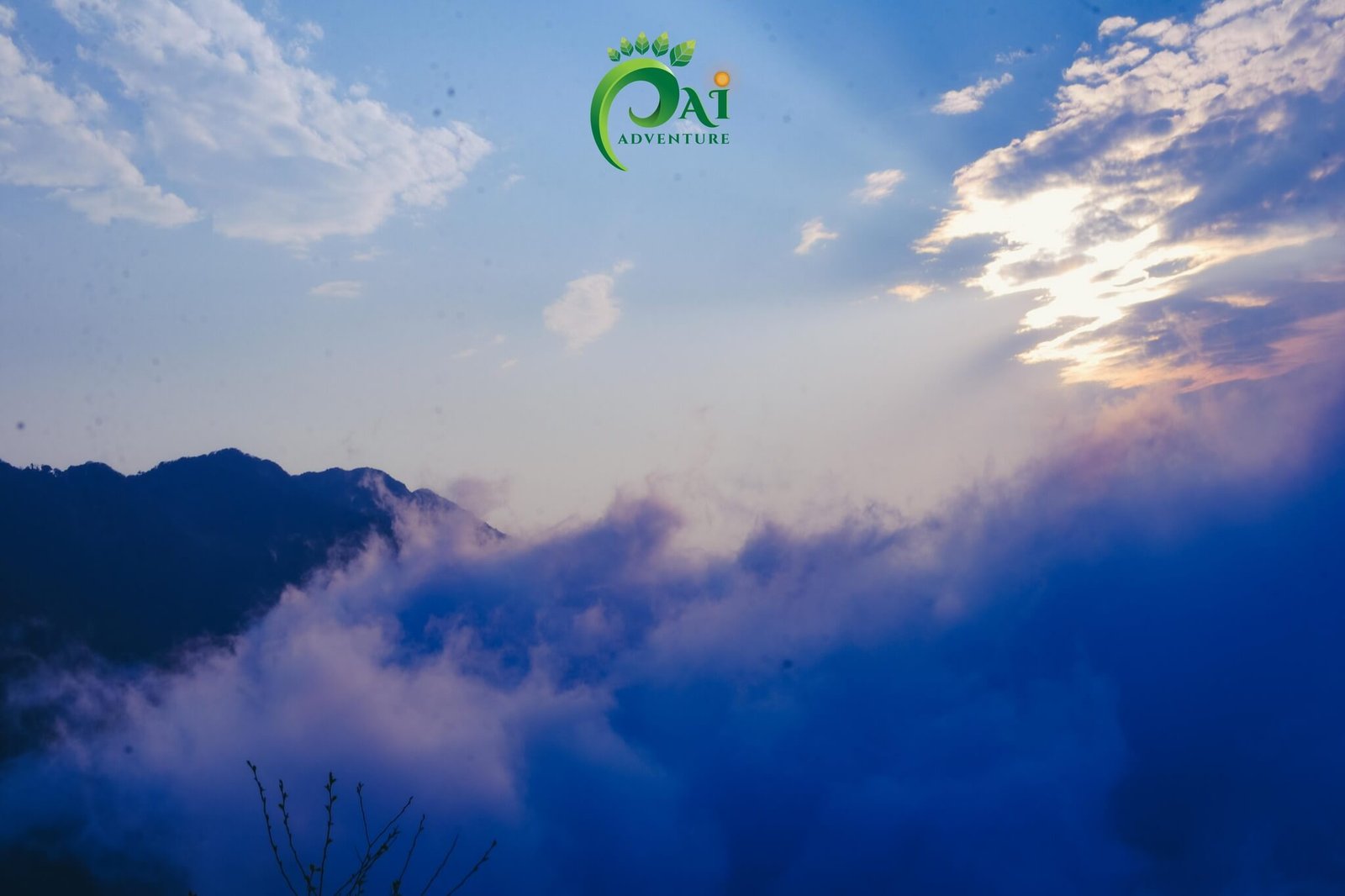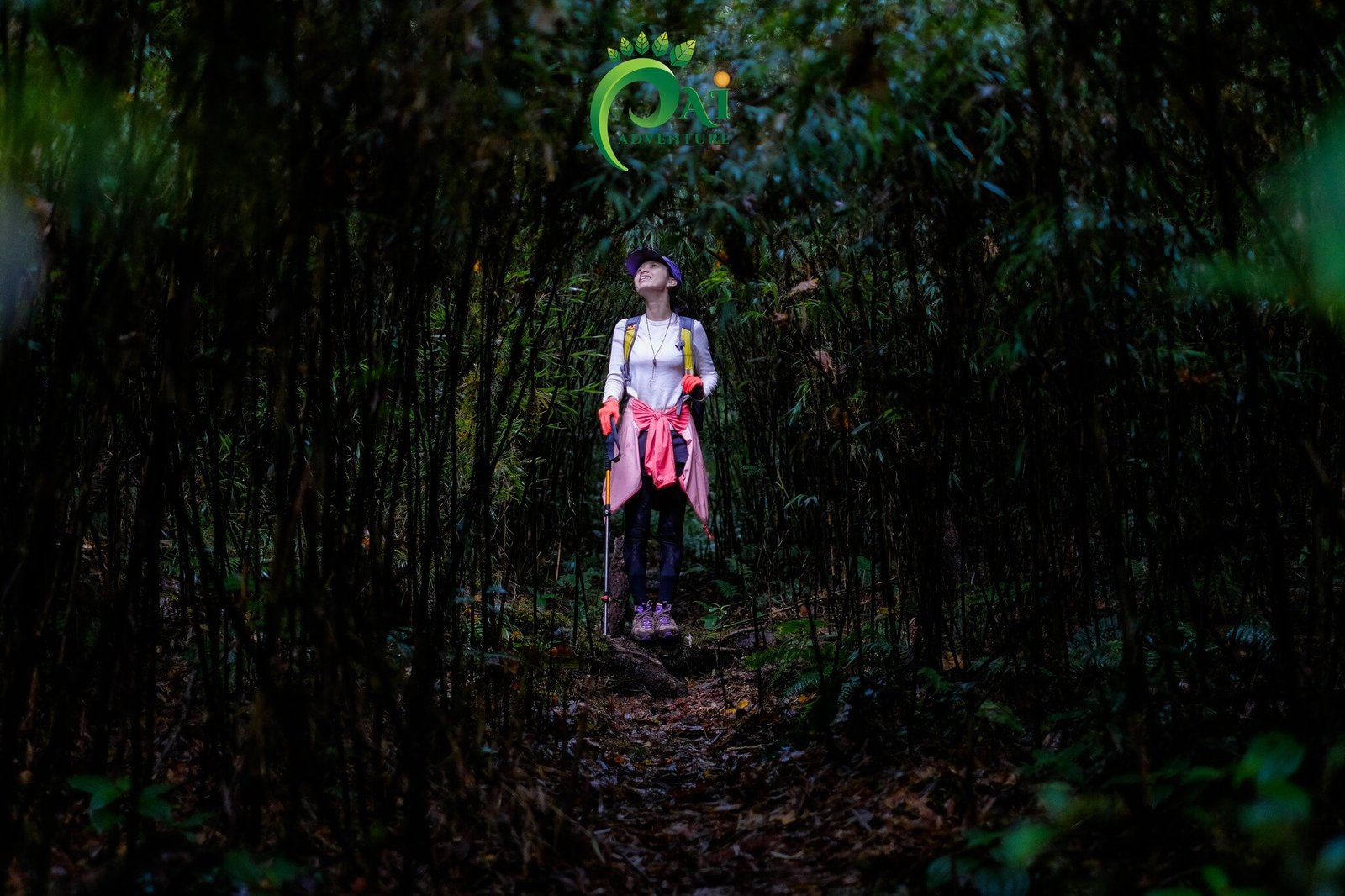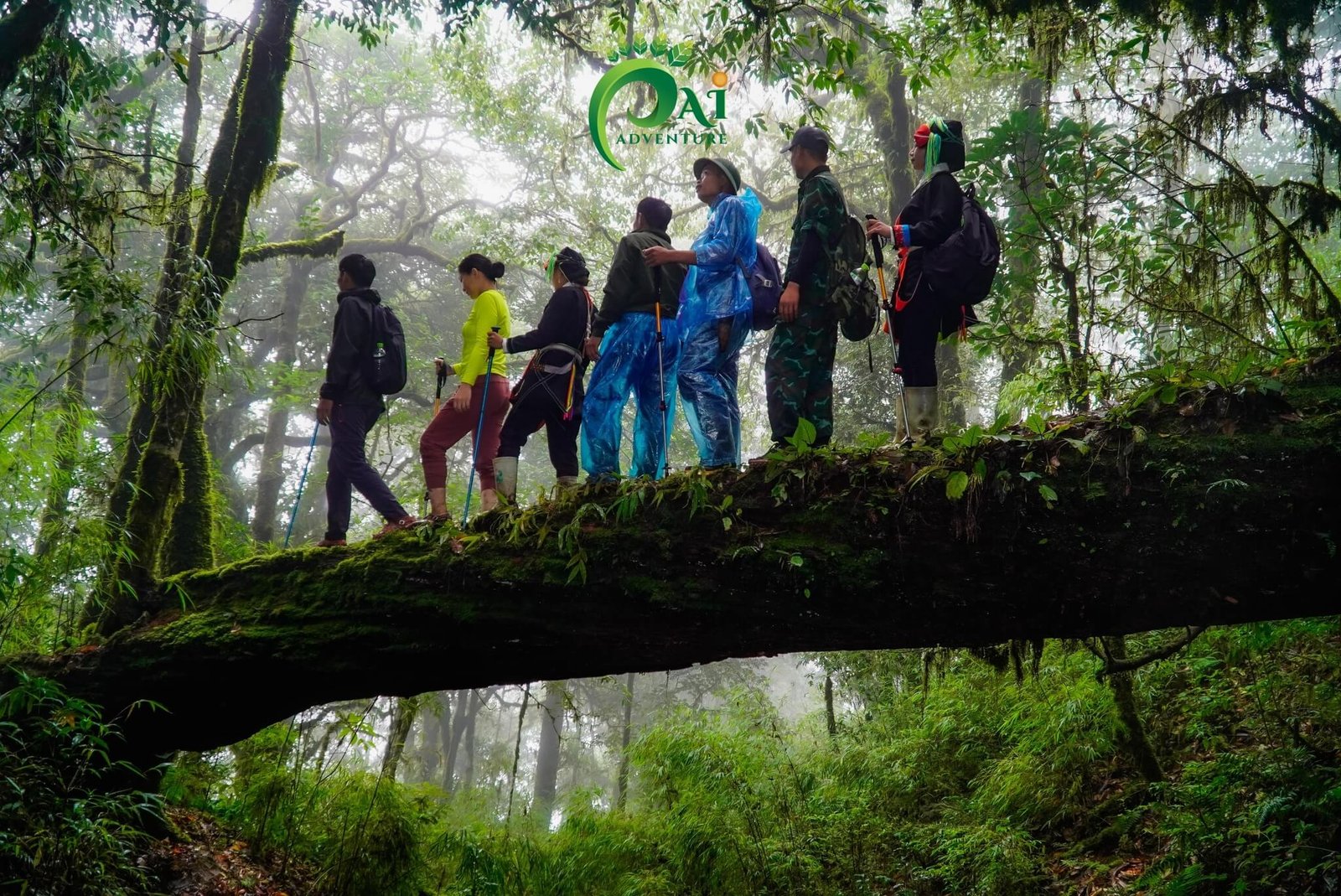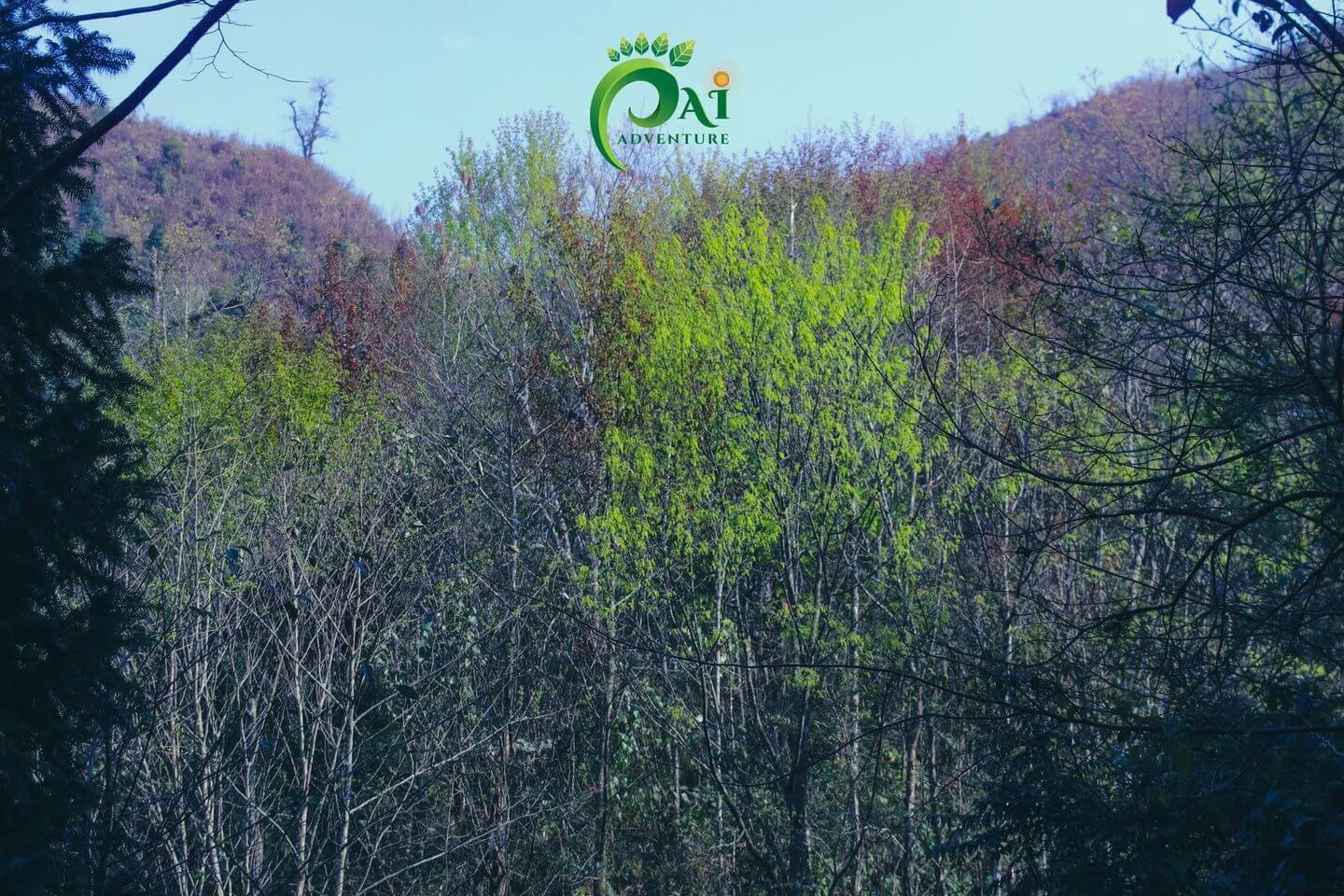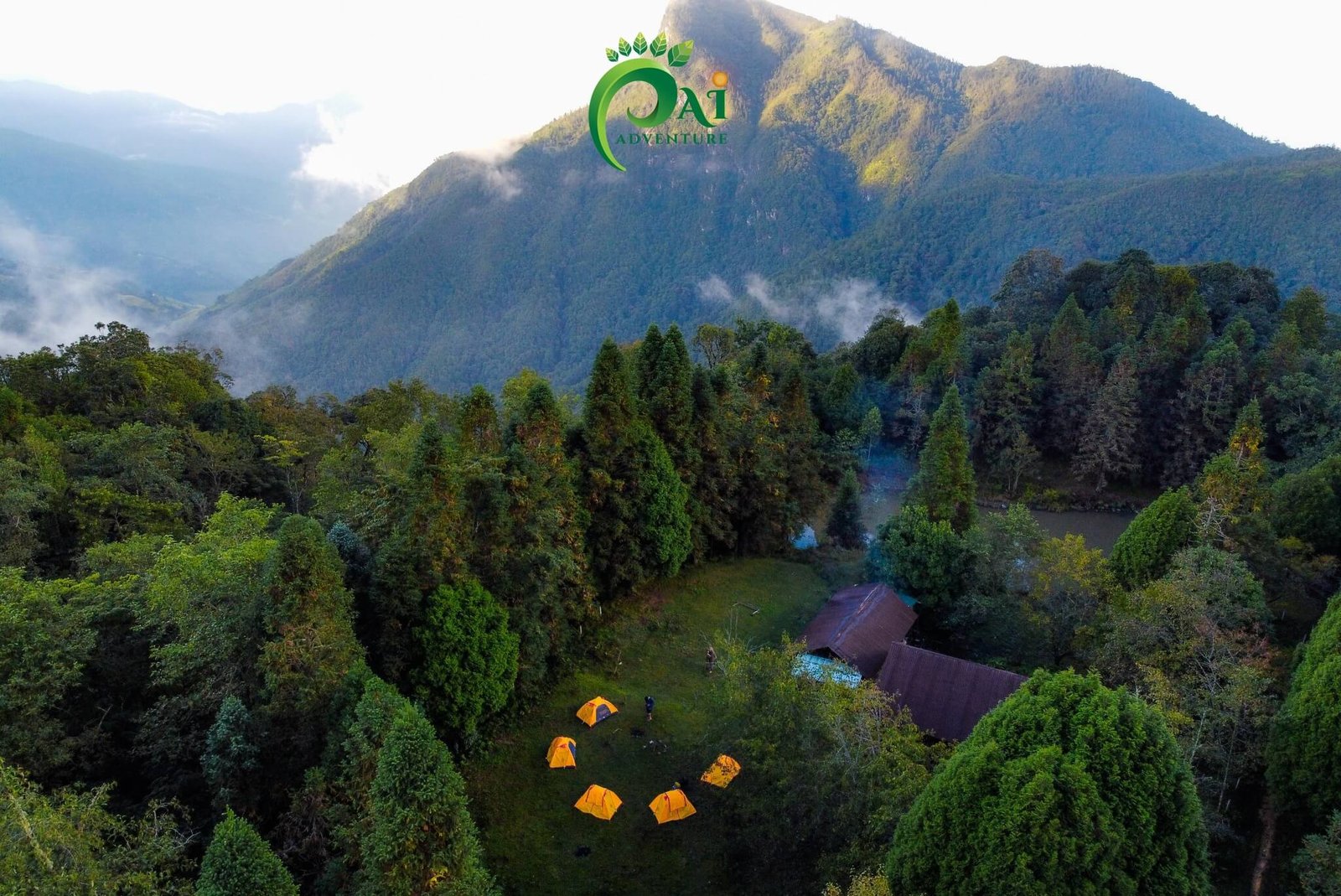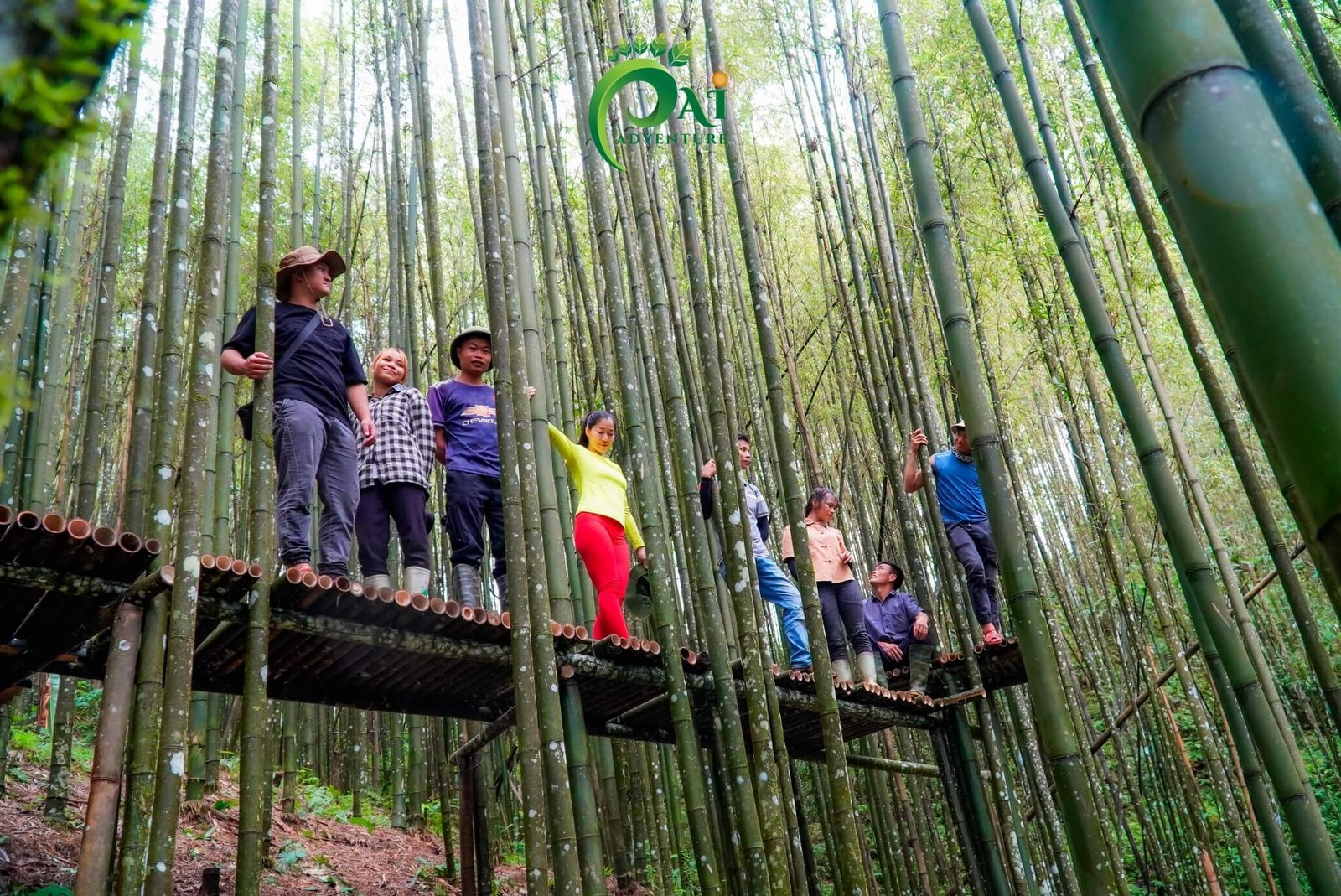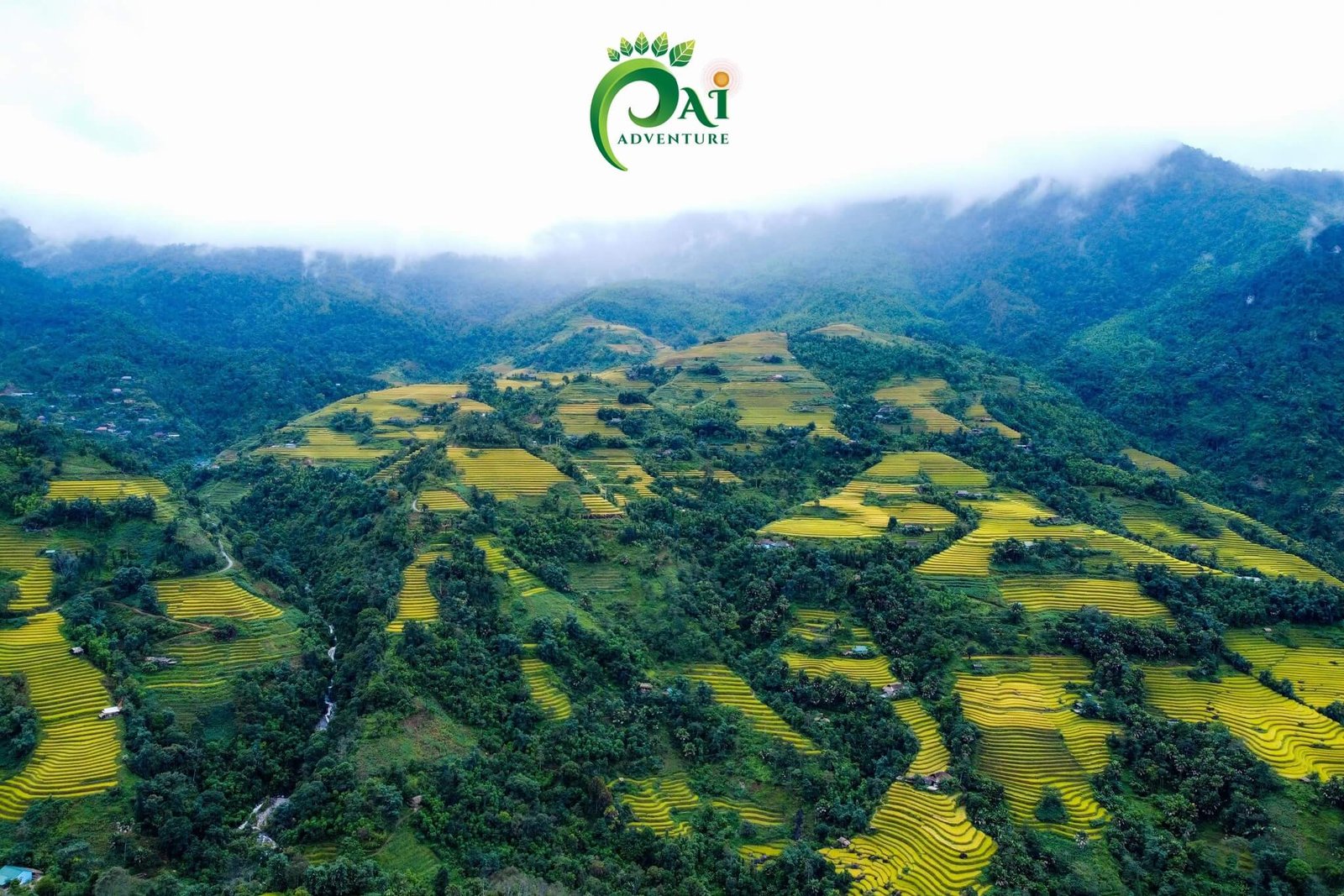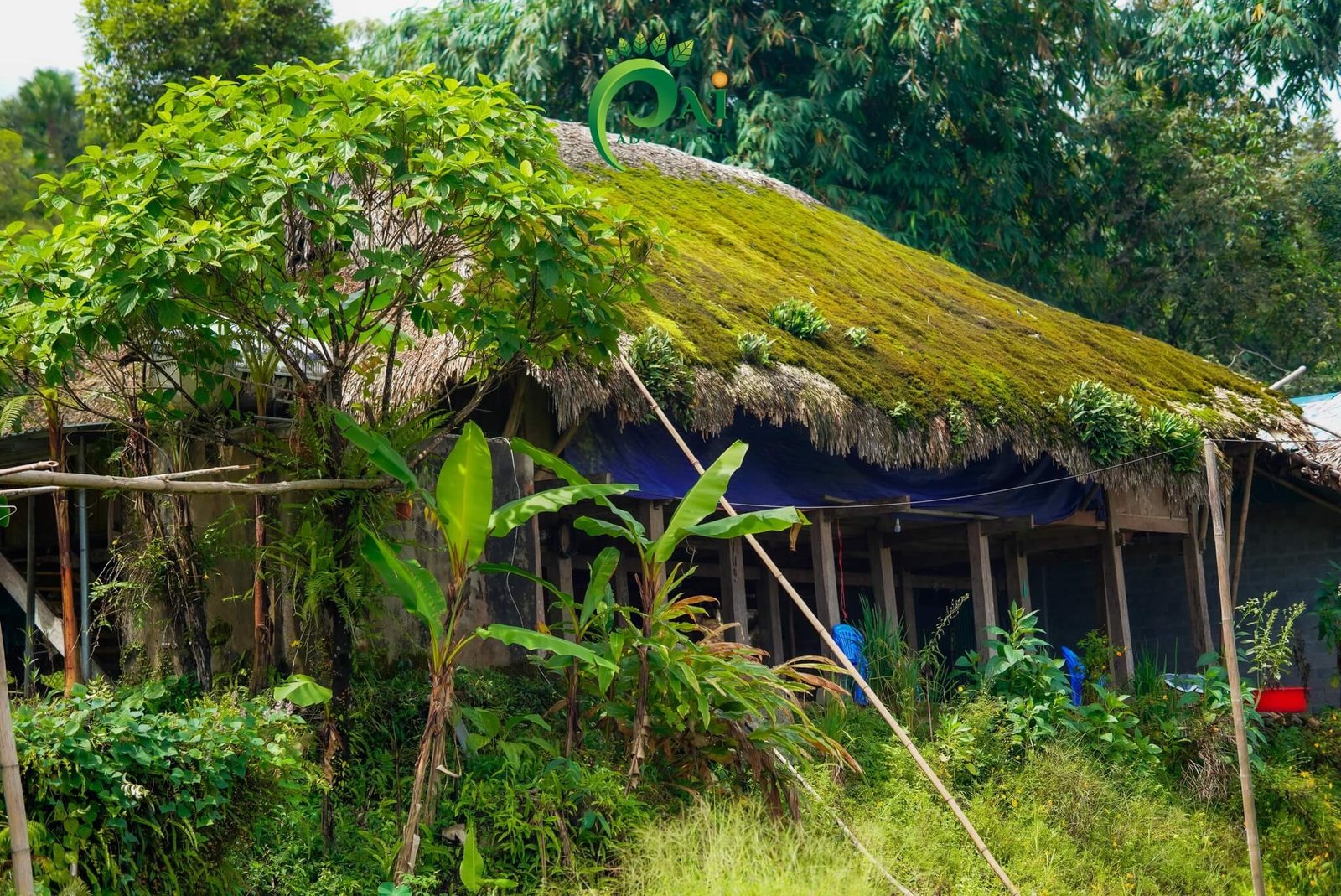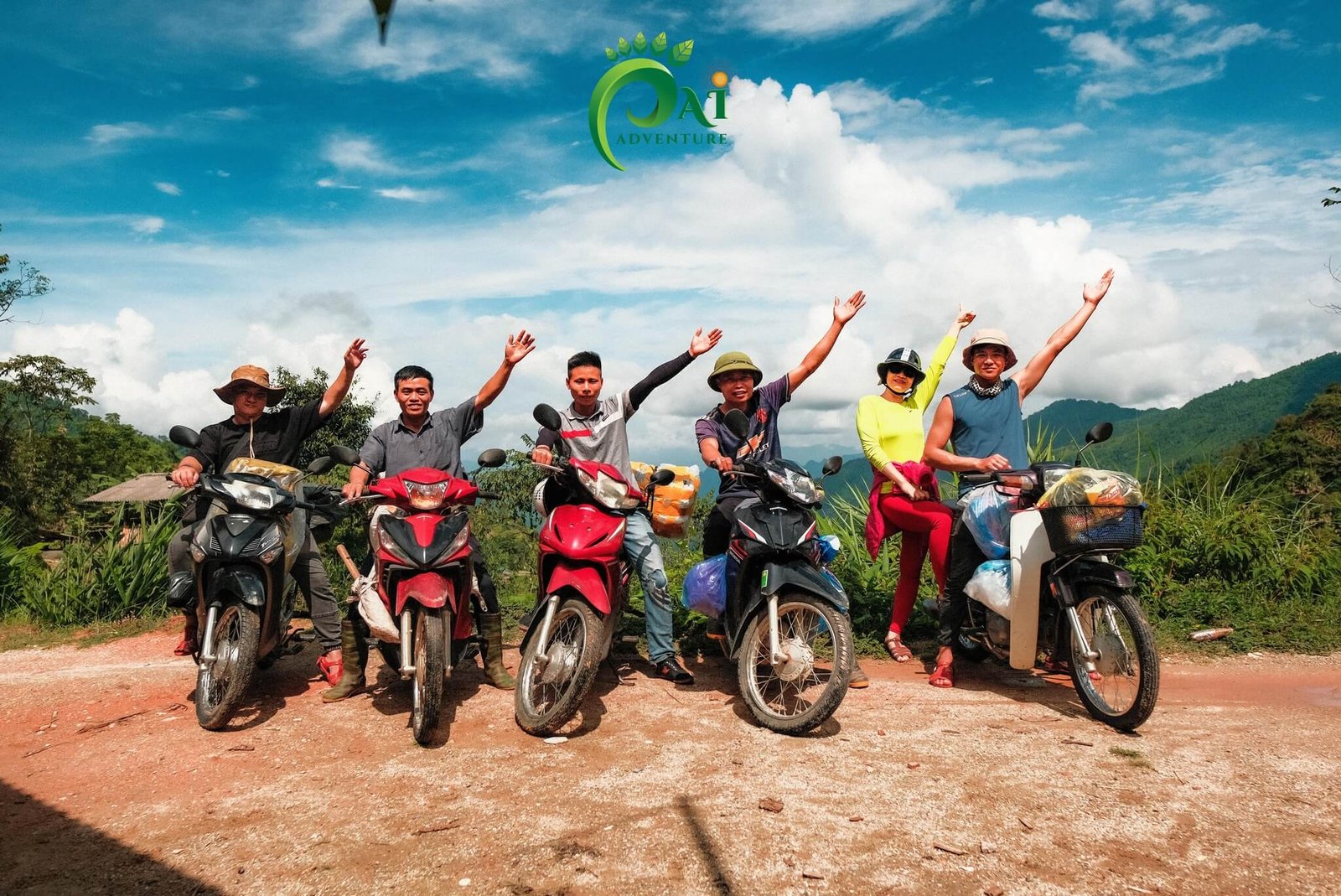

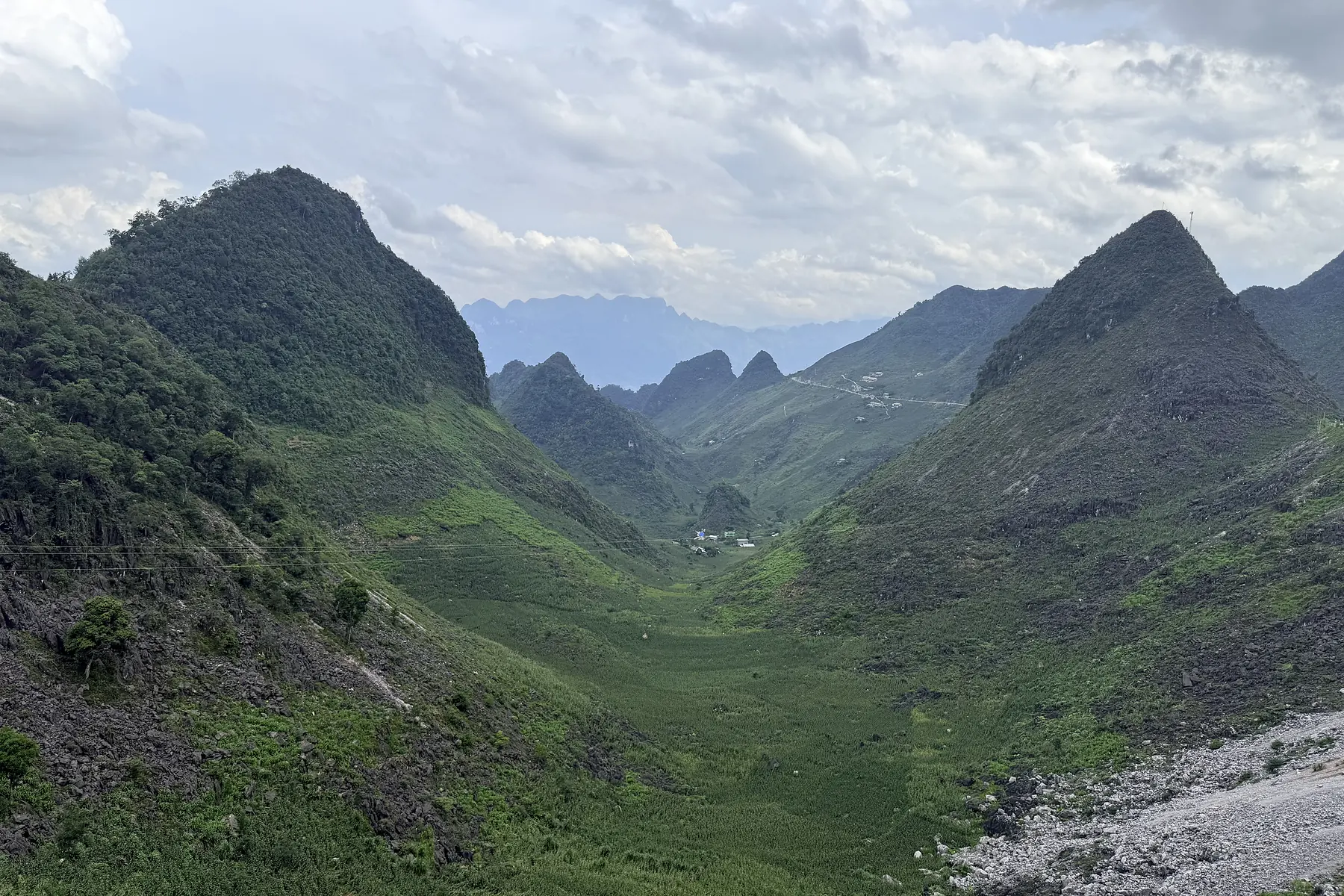
What is Ha Giang like in July? Valleys and mountainsides turn deep green, clouds often gather after rain, and village life moves into its summer rhythm. The Dong Van Karst Plateau also feels softer and more layered than it does in the dry season. The trade-off is changeable weather: roads may be wet, visibility can shrink quickly on high passes, and a clear morning does not guarantee a dry afternoon. If you are comfortable travelling slowly and keeping your plans flexible, July can still be a rewarding time to explore Ha Giang.
This guide covers 12 places along the Quan Ba–Yen Minh–Dong Van–Meo Vac route, with practical advice on itineraries, transport and packing for the rainy season.
Is Ha Giang worth visiting in July?
The short answer is yes, as long as you accept that July’s beauty comes with rainy-season conditions. After a shower, fields and forests look intensely green, low clouds give the valleys more depth, and the light can change from one bend to the next. One section of road may be sunny while the next is already under a passing shower.
Do not expect every rice terrace to be golden or every viewpoint to be clear. Rice grows at different times depending on altitude and local planting schedules. Rivers and streams may also become cloudier or rise quickly after heavy rain. The best July experiences are therefore not limited to panoramic photos. A warm meal after a wet ride, a quiet evening in a village and the changing atmosphere of the plateau can be just as memorable.
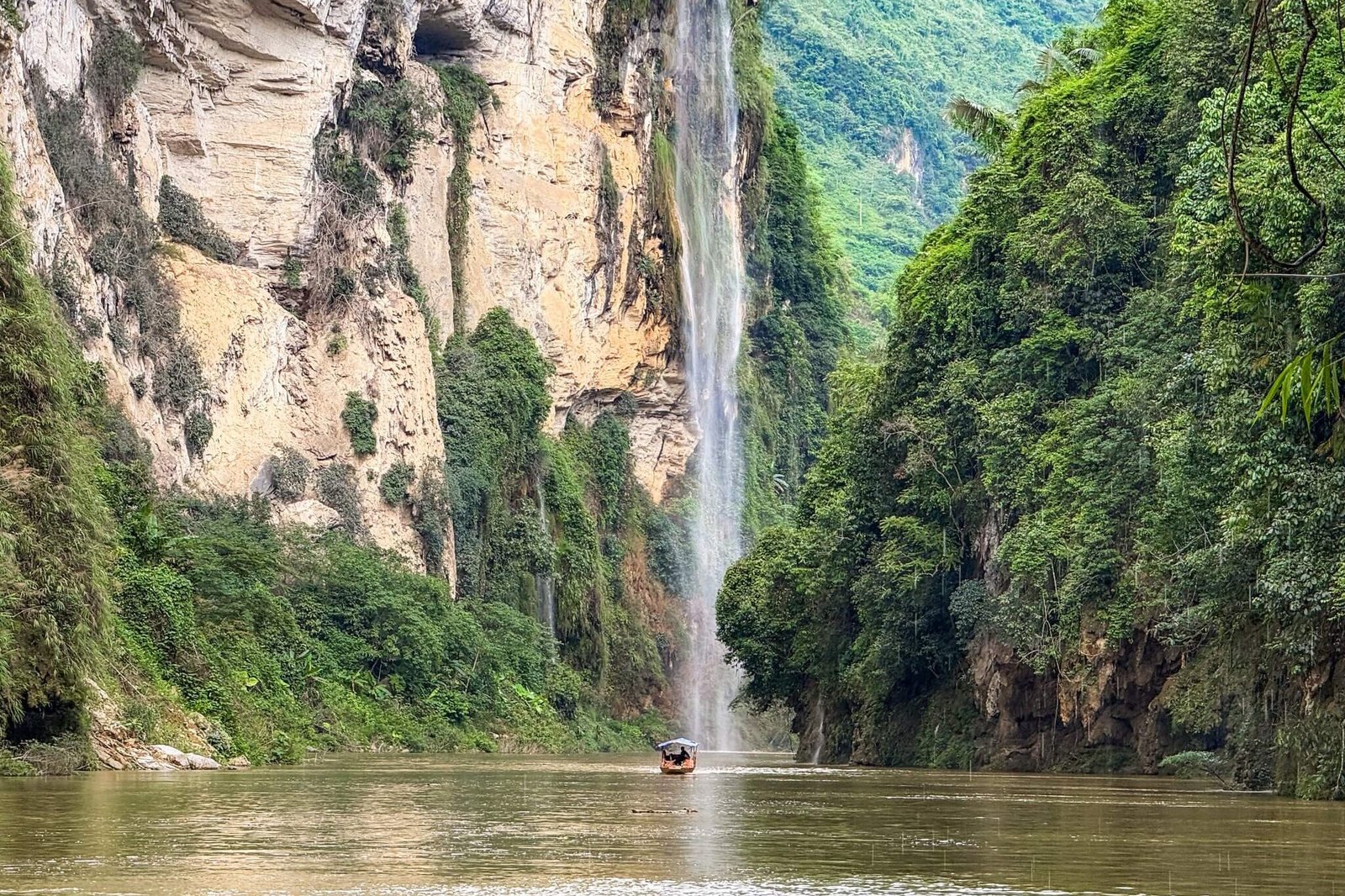
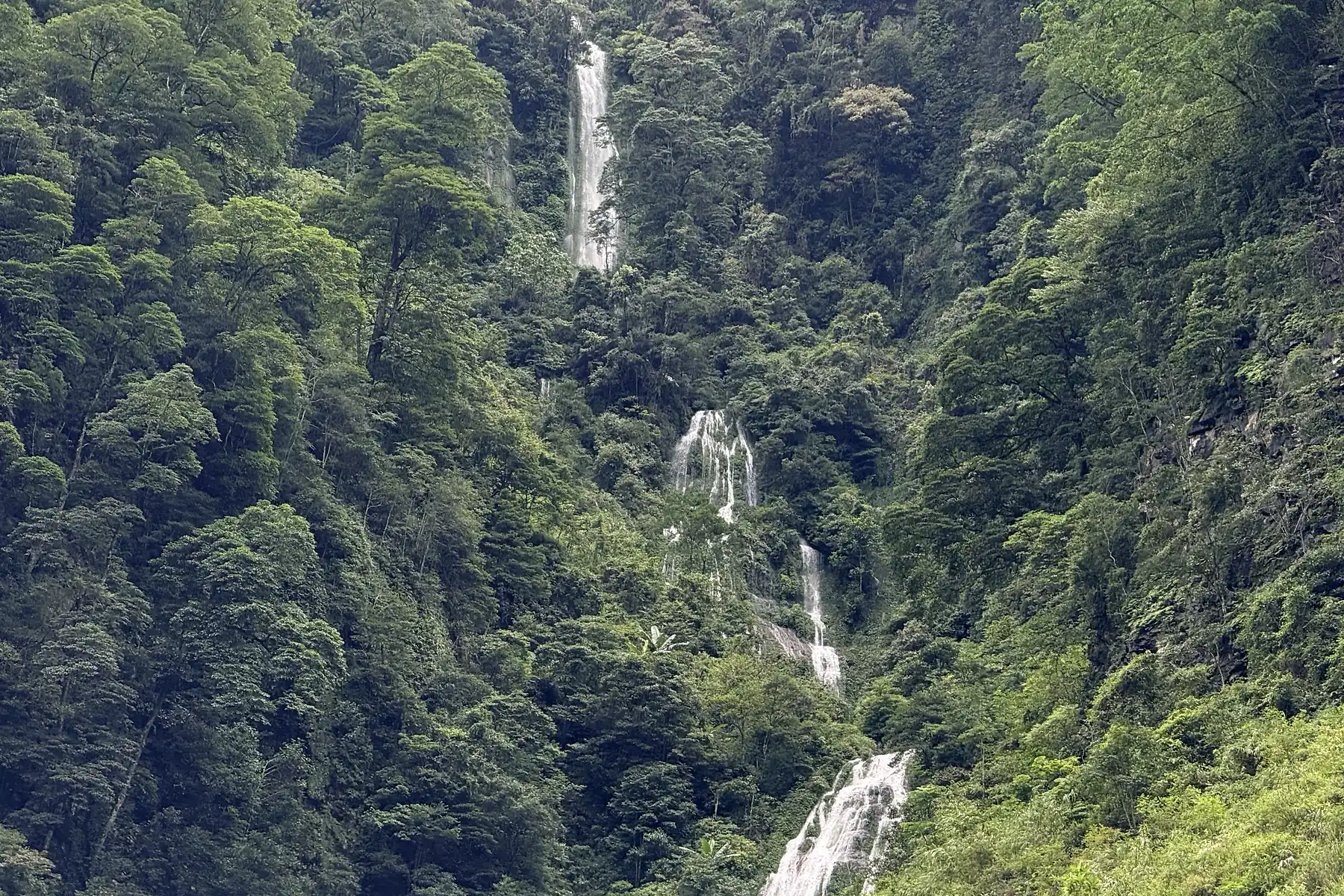
Seasonal rain can also make forest streams and waterfalls more powerful. Only approach them when a local host or tour operator confirms that the access route is suitable. Avoid crossing streams, standing directly below a waterfall or camping close to moving water during and immediately after heavy rain.
Ha Giang weather in July and what to watch for
The July 2026 climate bulletin from Vietnam’s National Center for Hydro-Meteorological Forecasting indicates that total rainfall across northern Vietnam may be 15–30% above the long-term average, with a risk of heavy rain, thunderstorms, lightning, strong gusts and localized severe weather.
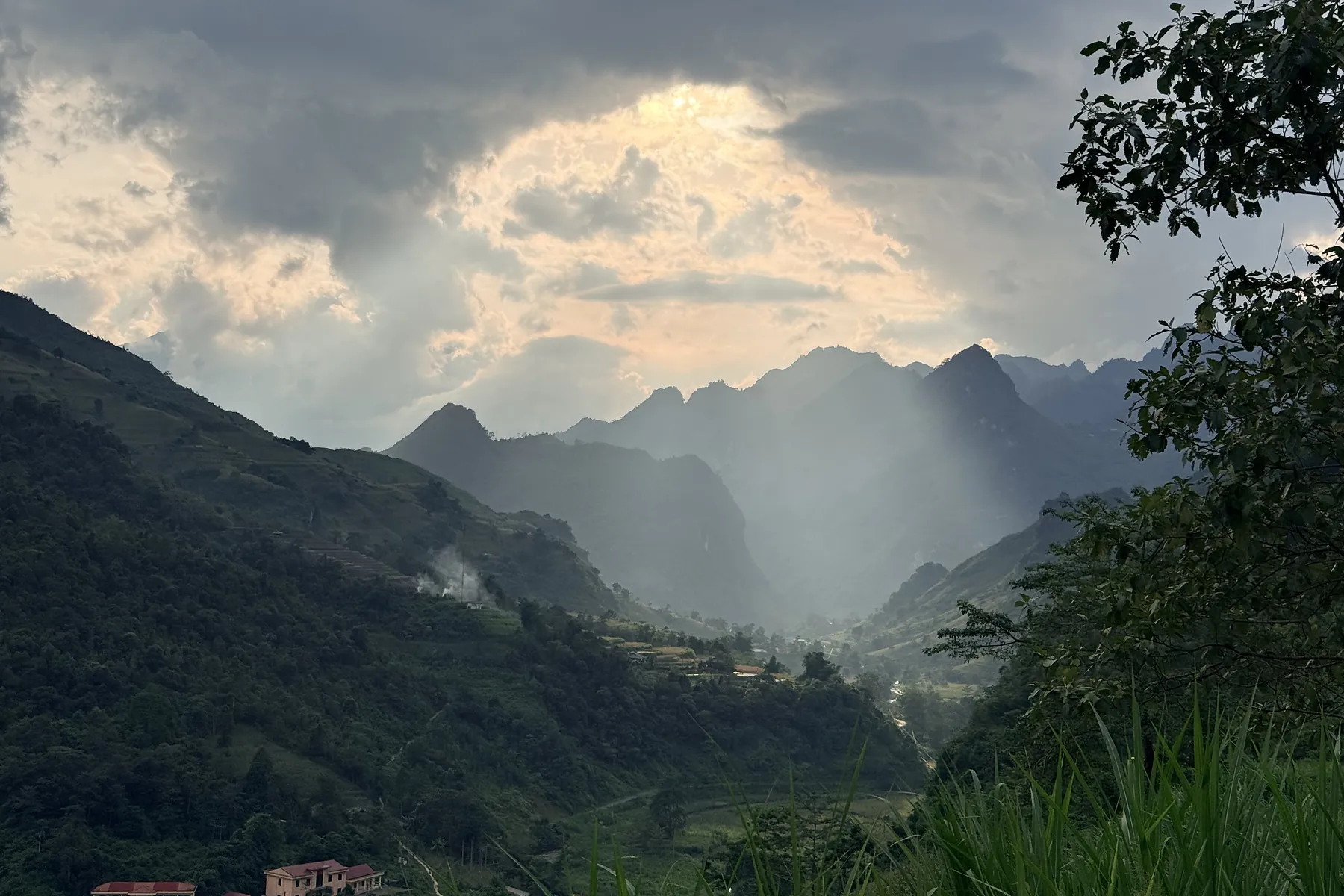
This information is useful for planning, not a reason to cancel automatically. Check short-range forecasts and official rain warnings every morning. Ask your accommodation or local operator about road conditions, then reduce the number of stops if conditions are poor. Avoid mountain passes after dark, never stop in a blind bend, and do not attempt to cross a section showing signs of landslides, falling rocks or strong surface water.
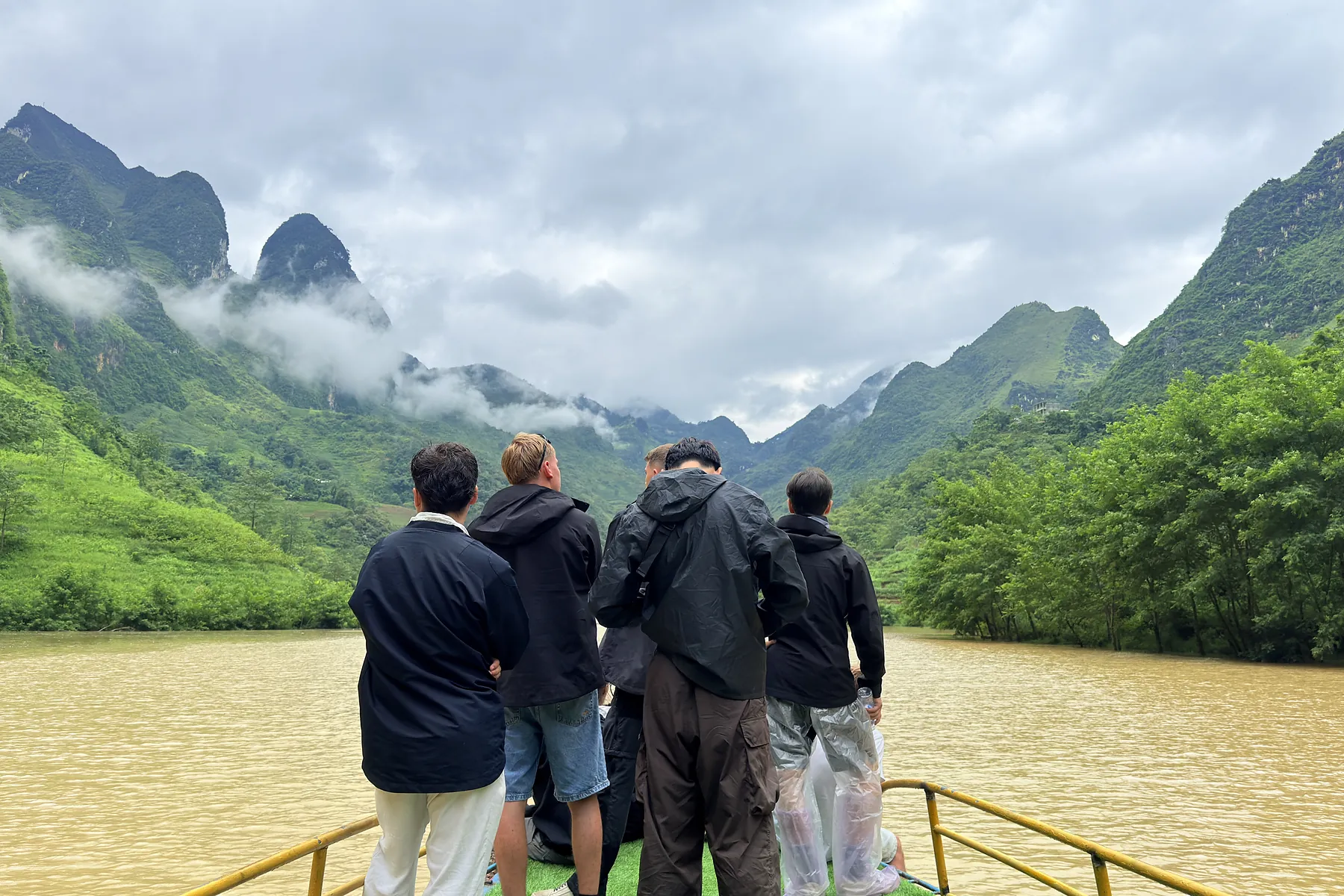
- Start early so you have extra time if rain slows the route.
- Keep a steady speed, increase following distance and avoid sudden braking on wet roads.
- Protect passports, phones, cameras and power banks in waterproof pouches.
- Be ready to skip a stop instead of forcing the original schedule.
12 places to consider in Ha Giang in July
Most of the places below sit along the classic route from Ha Giang City to Dong Van and Meo Vac. UNESCO recognizes the Dong Van Karst Plateau not only for its geological heritage but also as the home of 17 ethnic communities. Treat each stop as part of a living cultural landscape rather than simply a photo backdrop.
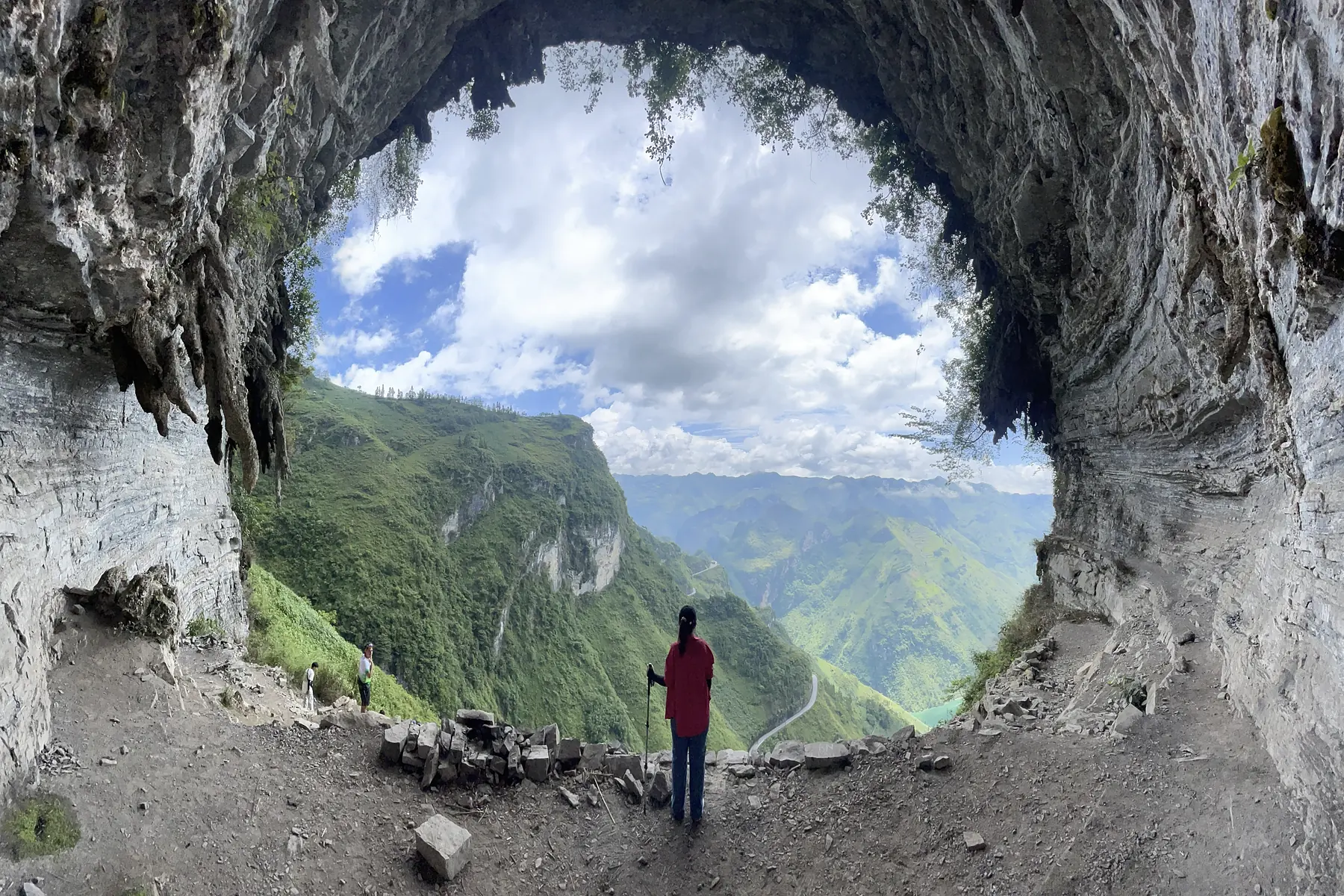
1. Quan Ba Heaven Gate
Quan Ba Heaven Gate is a natural first viewpoint over the valley and the mountain ranges ahead. In July, clouds may hide part of the view, but they can also create dramatic changes within minutes. If rain is dense and visibility stays low, do not wait too long. Save time for cultural or indoor stops farther along the route.
2. Quan Ba Twin Mountains
The Twin Mountains rise distinctly from the cultivated valley below Quan Ba. Summer green makes their contours easy to see, especially when the clouds lift. Early morning and late afternoon can feel cooler, but visibility still depends on the day’s rain and cloud cover.
3. Nam Dam Village
Nam Dam suits travellers who want a slower start to the Loop. The Dao community is known for its traditional houses, local food and village-based stays. Ask your host about household customs, photography and any cultural activities before joining in. A respectful visit is more valuable than rushing through the village for a quick check-in.
4. Lung Tam
Lung Tam is associated with Hmong hemp weaving. A stop here adds craft and local knowledge to a route that might otherwise focus only on mountain scenery. You can learn how hemp fibre becomes cloth and how it is dyed and decorated. If you buy a product, ask about its material and maker rather than choosing on price alone.
5. Tham Ma Pass
Tham Ma is known for its sequence of tight bends across the mountainside. The green July landscape makes the road’s shape stand out, but the surface may remain wet after rain. Stop only where there is safe space, stay out of the carriageway and never pose in a place that blocks the view of vehicles climbing or descending the pass.
6. Lung Cam Cultural Village
Lung Cam has rammed-earth houses, stone fences and a traditional village setting. Summer is not its main flower season, but it is a good time to see working fields and daily life. Ask permission before photographing people at close range or entering a household courtyard.
7. Vuong Family Palace
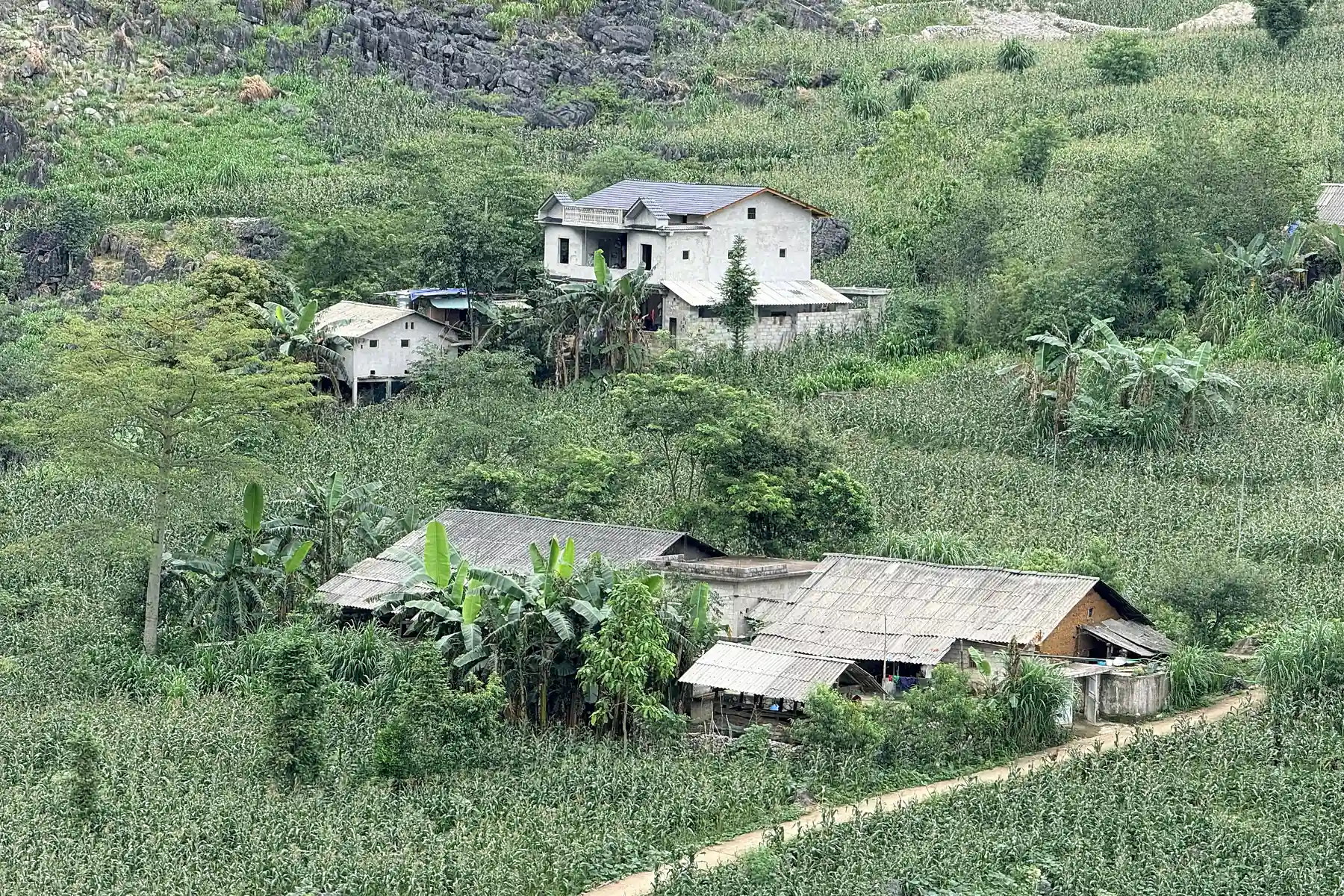
The Vuong Family Palace in Sa Phin offers a different experience from the open-air viewpoints. Its tiled roofs, stone walls, courtyards and carved details provide historical and architectural context for the region. It is also a useful stop when a short shower makes outdoor plans less practical.
8. Dong Van Old Quarter
Dong Van is a comfortable place to pause during the Loop. In the evening, walk around the old quarter, eat something warm and observe the town’s slower rhythm. Early morning is usually quieter and works well for travellers who want to notice the architecture without chasing a long checklist of photo spots.
9. Lung Cu Flag Tower
Lung Cu offers a broad view across Vietnam’s far north, but the steps can feel demanding in hot, humid weather. Carry water, climb slowly and check cloud conditions before committing a large part of the day. If thunderstorms or strong winds approach, follow local safety instructions and leave exposed areas.
10. Lo Lo Chai Village
Close to Lung Cu, Lo Lo Chai is worth visiting for its village setting and Lo Lo cultural heritage. Give yourself time to walk slowly, drink tea or talk with a homestay host instead of taking a few photos and leaving immediately. Small choices—keeping noise down, asking before photographing people and carrying out your rubbish—help reduce pressure on the community.
11. Ma Pi Leng Pass
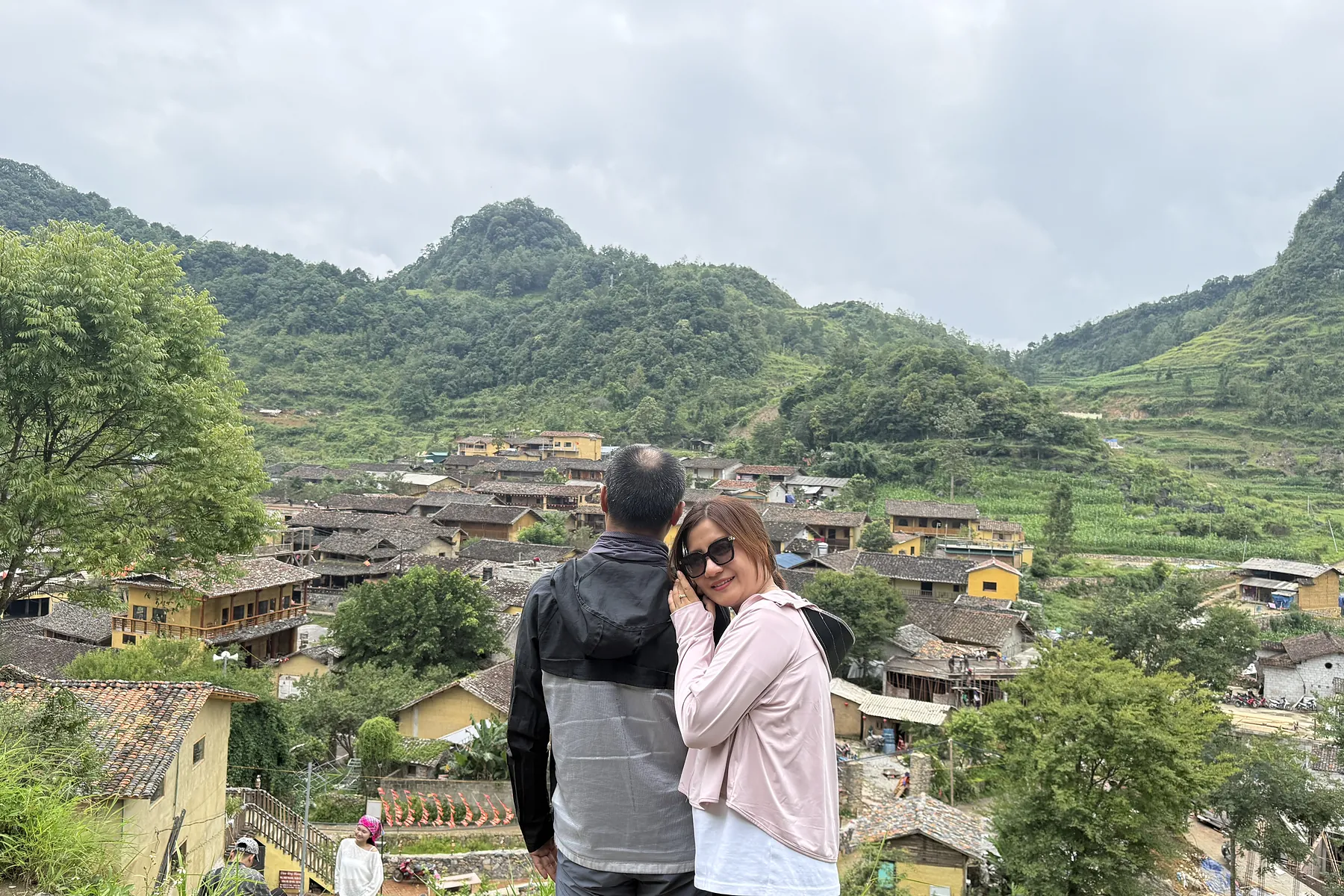
Ma Pi Leng is one of the most powerful landscapes on the Loop, with karst peaks, a deep canyon and the Nho Que River below. Low cloud can transform the view within minutes. Use designated stopping areas, keep away from cliff edges and never park in a blind bend simply for a photograph.
12. Nho Que River
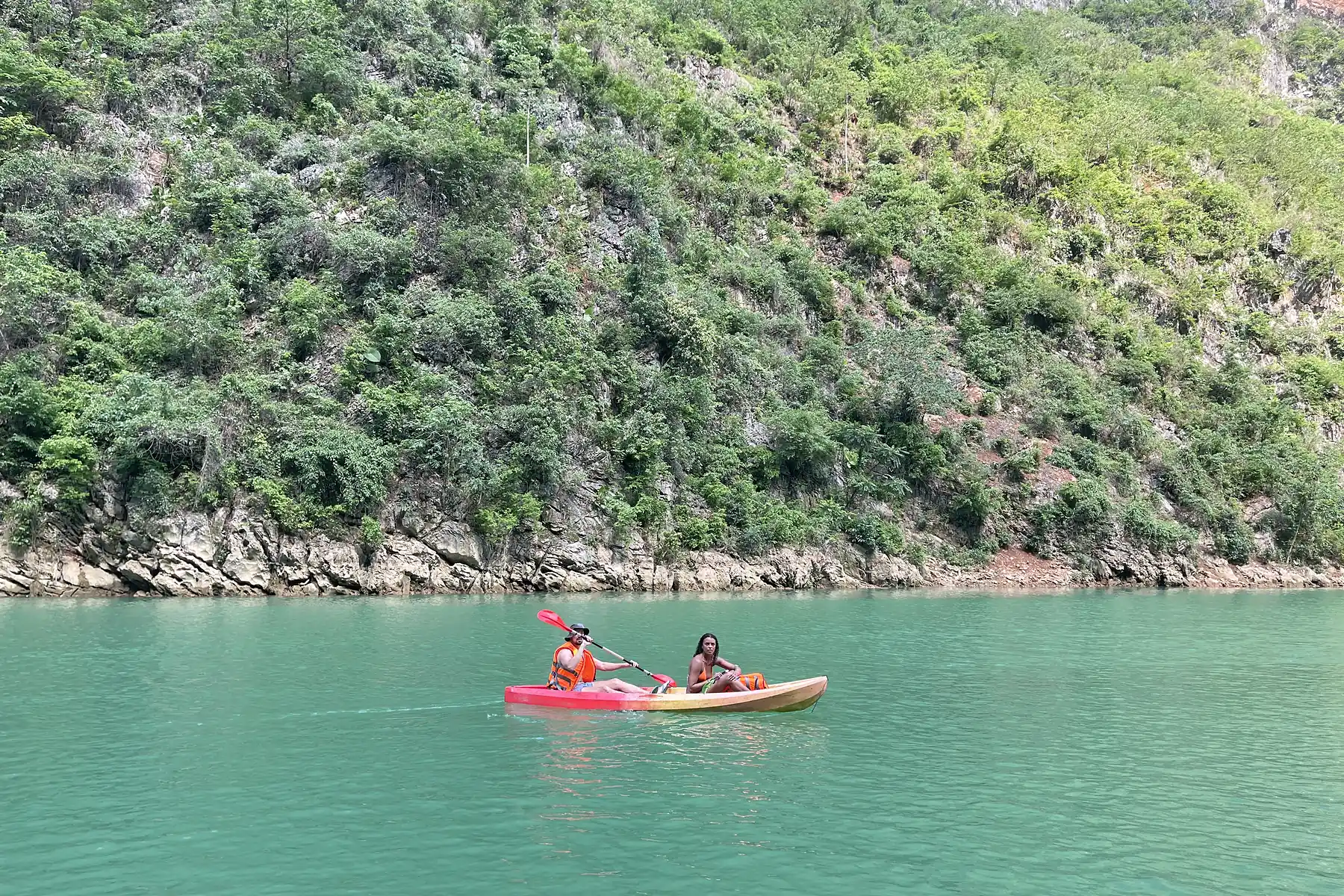
A Nho Que River trip gives you a very different perspective on the canyon and limestone walls. Boat and kayak activities depend on water level, current and local operating decisions on the day. After heavy rain, confirm the service before descending to the pier and be prepared to change plans if conditions are unsuitable.
Village life, food and cultural experiences
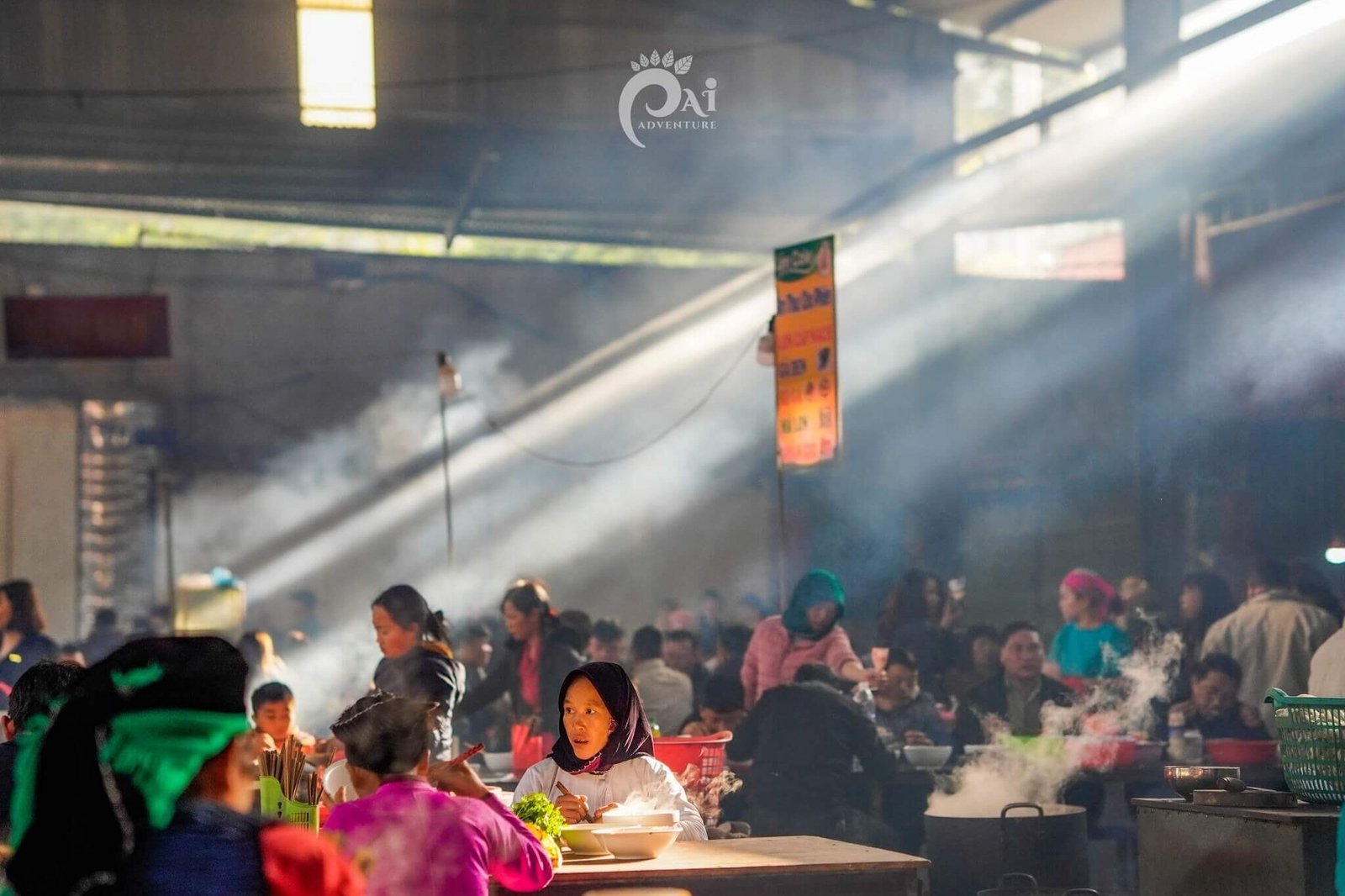
A July trip becomes more enjoyable when clear skies are not your only goal. Leave space for a local meal, a market if the dates align, a craft village or an overnight stay with a local host. These pauses give your body time to recover from the mountain roads and make the journey richer when weather changes the sightseeing plan.
Dishes and activities vary by location, seasonal ingredients and day of the week. Instead of following a rigid “must-eat” list, ask your host what is fresh that day and what suits your preferences. This is often the most natural way to understand highland food and hospitality.
Suggested 2D1N, 3D2N and 4D3N itineraries
2 days and 1 night: for very limited time
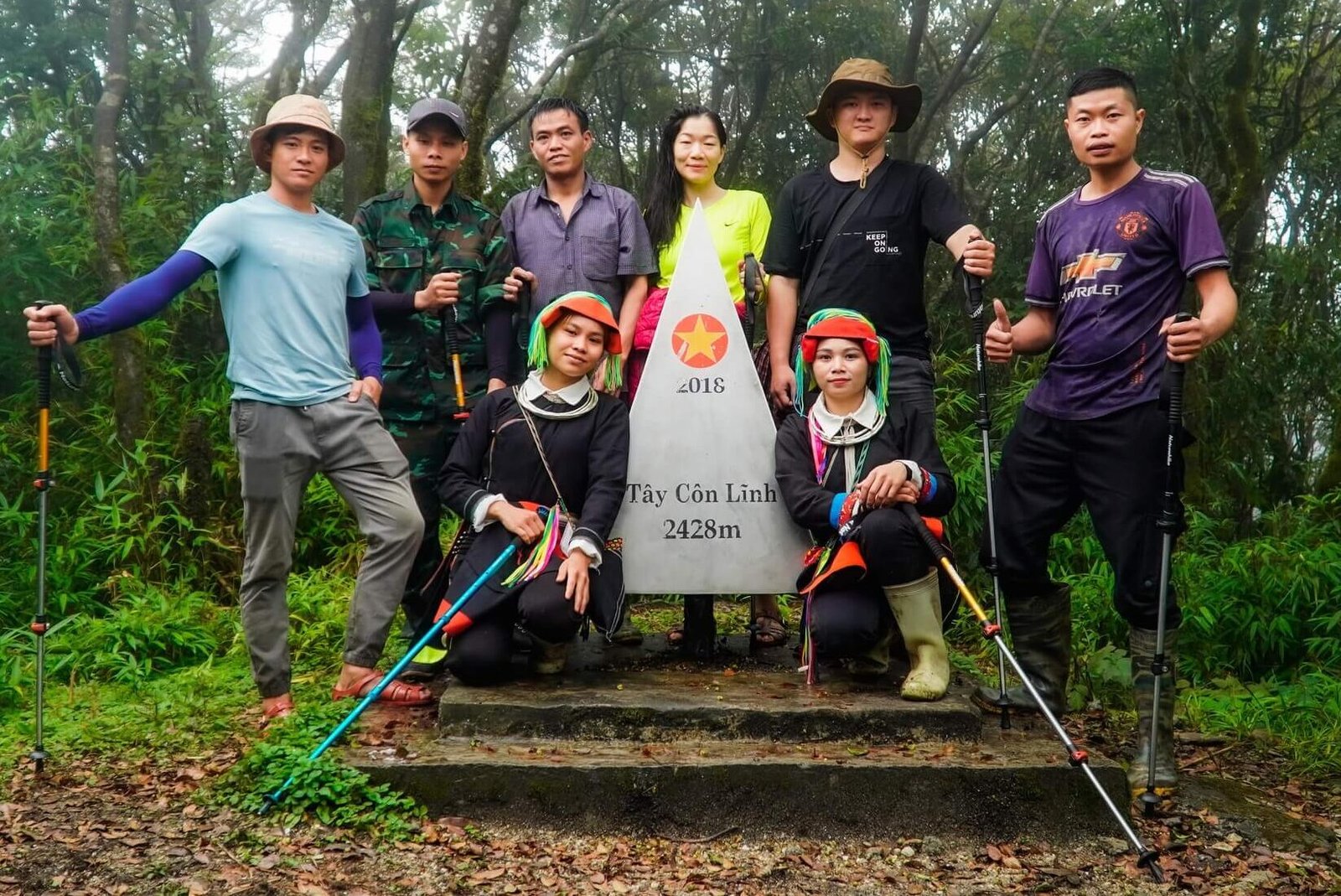
This is a fast schedule, so choose one clear focus and accept that you will miss many stops. A two-day trip can work around Quan Ba, Yen Minh and Dong Van, or you can focus on a slower outdoor experience such as Pai Adventure’s 2D1N Dong Van Karst Plateau Hiking Tour. In the rainy season, keep the route conservative and leave enough time to return before dark.
3 days and 2 nights: the most balanced classic Loop
Three days allow you to divide the journey into Quan Ba–Yen Minh–Dong Van, then Lung Cu–Ma Pi Leng–Meo Vac, followed by the return to Ha Giang City. This gives a reasonable balance of scenery, villages and rest. See the 3D2N Ha Giang Loop Classic Tour if you prefer an organized route with local support.
4 days and 3 nights: more weather buffer and slower travel
With four days, you can stay longer in a village, add a quieter detour or simply reduce daily riding time. That extra buffer is especially valuable in July, when rain may turn a short section into a longer transfer. The 4D3N Ha Giang Loop Classic Tour suits travellers who want to experience the plateau without rushing from stop to stop.
Self-ride motorbike, Easy Rider or car?
Self-ride motorbike
This option is best for riders who already have mountain-road experience, understand wet-surface braking and are willing to change the itinerary. July is not the right time to learn difficult riding simply because the Loop looks adventurous. Check brakes, tyres, lights, horn, rain gear and protective equipment before leaving Ha Giang City. Make sure your licence and insurance are valid for the vehicle you use.
Easy Rider
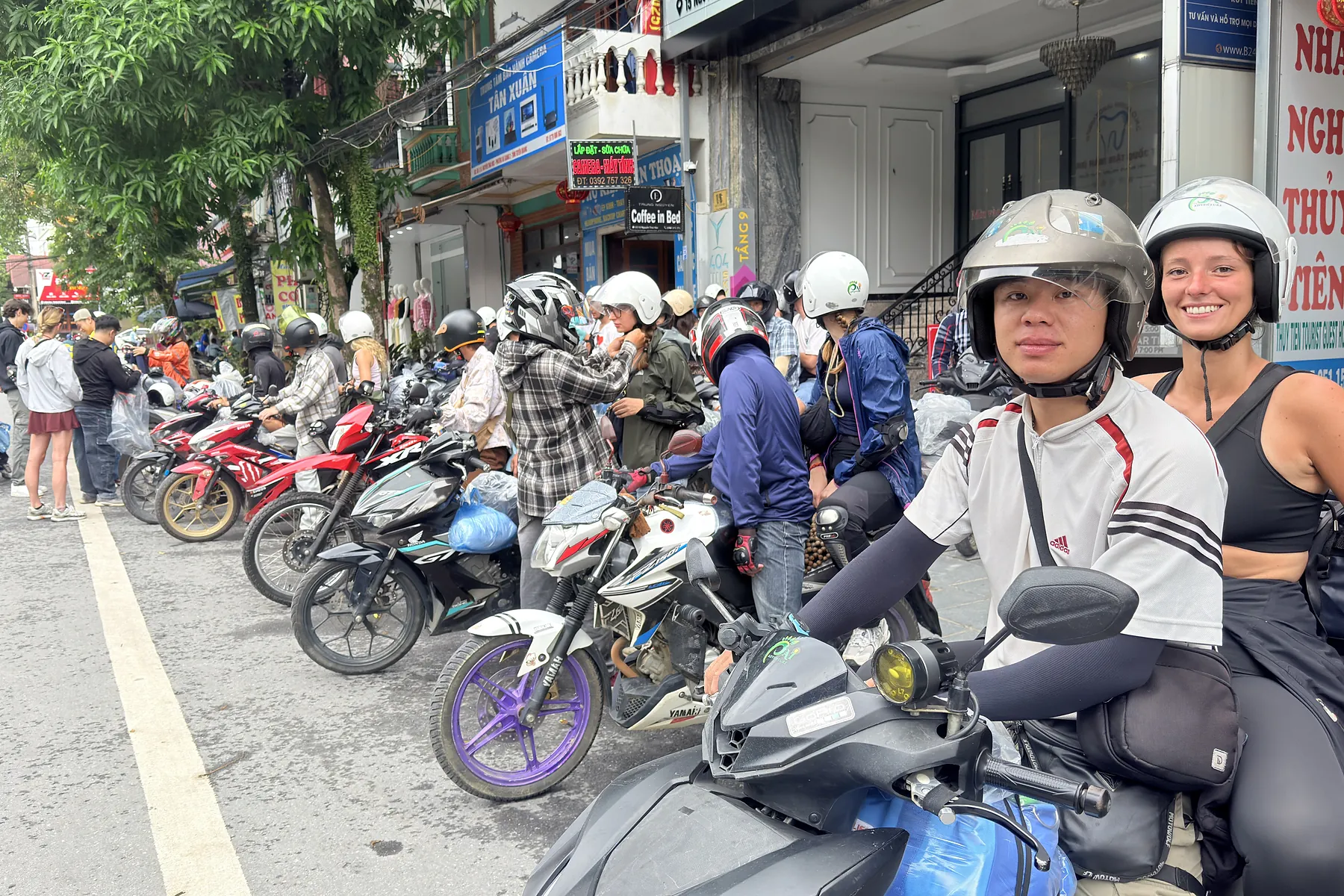
An Easy Rider is suitable if you want the open-air motorbike experience without controlling the bike yourself. A local rider can adjust speed and stops to daily conditions. You should still wear proper protection, communicate how comfortable you feel and never pressure the rider to continue through severe rain.
Car
A car works well for families, small groups, older travellers or anyone who wants better shelter from rain. It is less flexible at some narrow roadside stops, but it can be more comfortable when the weather is unstable. Travellers prone to motion sickness should prepare in advance because the Loop includes long sequences of bends.
Practical July packing checklist
- A compact rain suit that will not flap or catch when riding.
- Shoes with good grip that dry quickly, plus lightweight sandals for evenings.
- A light jacket and a thin warm layer for early mornings or damp conditions.
- Waterproof pouches for passport, phone, camera and power bank.
- Personal medication, insect repellent, sunscreen and drinking water.
- One completely dry change of clothes packed in a separate sealed bag.
- Some small-denomination cash for places where electronic payment is inconvenient.
Should you travel to Ha Giang in July?
July is a good choice if you enjoy green summer landscapes, can travel at a slower pace and do not treat every viewpoint as mandatory. Avoid an overfilled itinerary, and do not self-ride if you lack experience on wet mountain roads. A strong July trip has a backup plan, local information and enough time to pause when conditions change.
If you are unsure whether 2D1N, 3D2N or 4D3N fits your pace, Pai Adventure can suggest a route based on your available time, riding experience, fitness and preferred mix of scenery, villages, food and quieter trails.